Introduction
Is your air conditioner running but never quite reaching the temperature you set on the thermostat? This frustrating problem is more common than you think, especially during the hottest days of summer. When your AC struggles to cool your home, it not only makes you uncomfortable but also wastes energy, leading to higher electricity bills. Addressing this issue promptly is crucial to maintain a comfortable living environment and prevent further damage to your AC system.
Common Causes of AC Not Getting To Set Temperature
Here are some of the most frequent reasons why your AC might be struggling to cool your home:
- Dirty Air Filter: A clogged air filter restricts airflow, making the AC work harder and less efficiently.
- Dirty Condenser Coils: Located outside, these coils release heat. Dirt and debris can insulate them, hindering heat dissipation.
- Low Refrigerant: Refrigerant is the chemical that cools the air. A leak can reduce its level, impairing cooling performance.
- Blocked Vents: Obstructed vents prevent proper air circulation throughout your home.
- Leaky Ductwork: Leaks in your duct system allow cooled air to escape before reaching the intended rooms.
- Oversized or Undersized AC Unit: An AC unit that’s too small won’t be able to cool your entire house effectively, while one that’s too large might cool too quickly without properly dehumidifying the air.
- Poor Insulation: Insufficient insulation in your walls, attic, and windows allows heat to enter your home, making it harder for the AC to keep up.
- Thermostat Problems: A malfunctioning or improperly calibrated thermostat can provide inaccurate temperature readings, causing the AC to run inefficiently.
Symptoms Checklist
Look for these indicators to help pinpoint the problem:
- The AC runs constantly but the temperature never reaches the thermostat setting.
- Uneven cooling throughout the house (some rooms are colder than others).
- Higher than usual energy bills.
- Ice buildup on the refrigerant lines or the evaporator coil.
- Warm air blowing from the vents.
- Unusual noises coming from the AC unit.
How to Fix AC Not Getting To Set Temperature Step-by-Step Guide
Follow these troubleshooting steps:
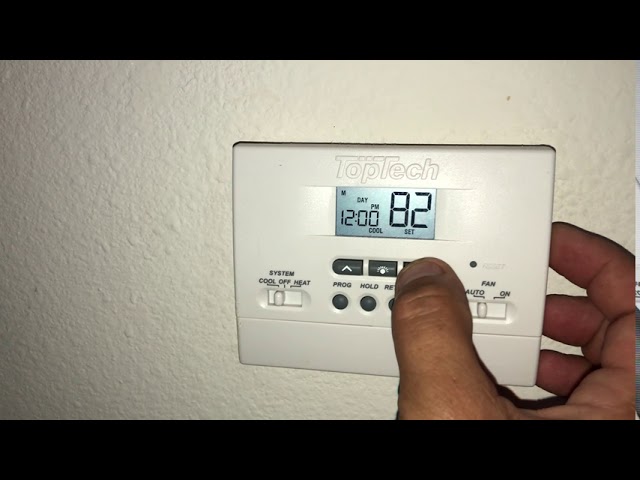
- Check the Thermostat: Ensure it’s set to “Cool” and the temperature is lower than the current room temperature. Replace the batteries if necessary.
- Replace the Air Filter: A dirty filter is the most common cause. Replace it with a new one of the correct size and type.
- Clear Outdoor Unit: Remove any debris, plants, or obstructions around the outdoor condenser unit (at least 2 feet clearance).
- Inspect Vents: Make sure all vents are open and not blocked by furniture, rugs, or curtains.
- Check for Leaks Around Windows and Doors: Seal any gaps or cracks with weather stripping or caulk to prevent warm air from entering.
- Clean the Condenser Coils: Use a garden hose with a gentle spray nozzle to clean the outdoor condenser coils. Avoid using high pressure, which can damage the fins.
- Inspect Ductwork (Visually): Look for any visible tears or disconnections in the ductwork, especially in accessible areas like the attic or basement. Seal any small leaks with duct tape (for a temporary fix; use mastic sealant for a permanent solution).
- Check the Breaker: Ensure the circuit breaker for the AC unit hasn’t tripped. Reset it if necessary.
- Check the Refrigerant Lines for Ice: If you see ice on the refrigerant lines, turn off the AC and allow the ice to melt. This could indicate a refrigerant leak or airflow problem.
- Listen for Unusual Noises: Note any unusual noises coming from the AC unit, such as grinding, squealing, or rattling. This could indicate a mechanical problem.
- Run a System Test: Set the thermostat to a temperature significantly lower than the room temperature (e.g., 10 degrees lower) and observe how long it takes the AC to start cooling. If it takes an excessively long time, there might be an underlying issue.
- Evaluate Insulation: Check the insulation in your attic and walls. Consider adding more insulation if it seems insufficient.
- Consider Window Coverings: Use blinds, curtains, or solar screens to block sunlight during the hottest parts of the day.
- Set Programmable Thermostat: If you have a programmable thermostat, ensure its programmed efficiently to avoid unnecessary cooling when youre away or asleep.
Fix the Issue Without Buying Parts
Before considering any parts replacement, try these free methods:
- Reset the AC Unit: Turn off the AC at the breaker for about 30 minutes, then turn it back on. This can sometimes resolve minor electrical glitches.
- Deep Cleaning: Thoroughly clean the area around the indoor and outdoor units, removing dust, leaves, and other debris.
- Recalibrate Thermostat: Some thermostats allow for recalibration. Consult the thermostat’s manual for instructions.
- Inspect Air Ducts: Carefully check for obvious blockages (e.g., clothing) or leaks in easily accessible ductwork.
- Basic Maintenance: Regular air filter replacement (every 1-3 months) is key. Schedule professional AC maintenance annually.
When Replacement Might Be Necessary
If you’ve tried all the troubleshooting steps and your AC still isn’t cooling properly, it might be time to consider replacement. A refrigerant leak that cannot be easily repaired, a failing compressor, or an aging unit (over 15 years old) are all potential reasons for replacement. The cost of replacing an AC unit can range from $3,000 to $7,000 USD, depending on the size and efficiency of the unit. Common parts that fail include the compressor, fan motor, and evaporator coil.
Safety Warning
- Always turn off the power to the AC unit at the breaker before performing any maintenance or repairs.
- Avoid touching electrical components with wet hands.
- Be careful when working on ladders or reaching high places.
- If you’re not comfortable working with electrical components, consult a qualified HVAC technician.
- Do not attempt to handle refrigerant. It is a hazardous substance and should only be handled by a licensed professional.
Tools You May Need
Heres a list of tools that might be handy:
- Screwdrivers (Phillips and flathead)
- Wrench set
- Vacuum cleaner with hose attachment
- Garden hose with spray nozzle
- Duct tape or mastic sealant
- Weather stripping
- Caulk and caulking gun
- Safety glasses
- Gloves
FAQ
Here are some frequently asked questions:
- Q: Why is my AC blowing warm air? A: Could be low refrigerant, a dirty filter, or a malfunctioning compressor.
- Q: How often should I change my AC filter? A: Every 1-3 months, depending on usage and air quality.
- Q: What does it mean if there’s ice on my AC unit? A: Typically indicates low refrigerant or restricted airflow. Turn off the unit to allow the ice to melt and then troubleshoot.
- Q: My AC is making a loud noise. What should I do? A: Turn off the AC immediately and inspect for loose parts or obstructions. If you can’t identify the problem, call a technician.
- Q: What’s the ideal temperature to set my thermostat in the summer? A: Most experts recommend 78F (26C) for energy efficiency and comfort.
- Q: Should I cover my AC unit in the winter? A: It’s generally not recommended to fully cover the AC unit as it can trap moisture. A partial cover to protect from falling debris is acceptable.
Conclusion
Troubleshooting an AC unit that isn’t reaching the set temperature can seem daunting, but by following these steps, you can often identify and resolve the problem yourself. Remember to prioritize safety and consult a qualified HVAC technician if you’re unsure about any aspect of the repair. Don’t give up! Try these DIY solutions first, and you might just save yourself a costly service call.
Youtube Video:
Looking for more useful options?
Check out recommended resources that others find helpful.