Introduction
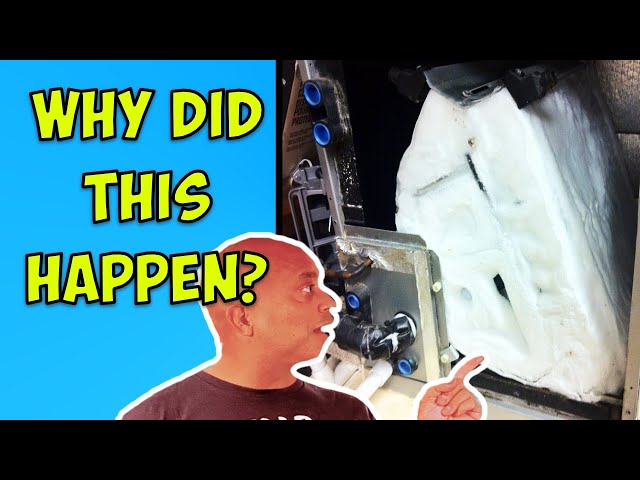
A frozen AC coil is a common issue that many homeowners face, especially during periods of heavy AC use. The evaporator coils in your air conditioner are responsible for cooling the air that’s circulated throughout your home. When these coils freeze over, your AC unit’s cooling capacity is significantly reduced, leading to uncomfortable indoor temperatures and potentially higher energy bills. Addressing this problem promptly is important to prevent further damage to your AC system and maintain a comfortable home environment.
Common Causes of AC Coils Frozen
Several factors can contribute to frozen AC coils. Understanding these causes is crucial for effective troubleshooting:
- Low Refrigerant Levels: Insufficient refrigerant can cause the pressure in the system to drop, leading to ice formation on the coils.
- Dirty Air Filter: A clogged air filter restricts airflow, causing the evaporator coils to get too cold and freeze.
- Restricted Airflow: Blocked vents or closed registers can also limit airflow across the coils.
- Dirty Evaporator Coils: Dust and dirt buildup on the coils act as insulation, preventing proper heat transfer and causing ice to form.
- Faulty Blower Motor: A malfunctioning blower motor reduces airflow across the coils.
- Low Outdoor Temperature: Running your AC when the outdoor temperature is too low (typically below 60F) can cause the coils to freeze.
- Damaged or Kinked Refrigerant Lines: Restrictions in the lines impact refrigerant flow and system pressure.
- Thermostat Malfunction: A faulty thermostat may cause the AC to run continuously, leading to coil freeze-up.
Symptoms Checklist
Look for these signs to confirm your AC coils are frozen:
- Reduced or no cool air coming from the vents.
- Visible ice or frost on the indoor AC unit or refrigerant lines.
- AC unit running constantly without effectively cooling the house.
- Water leaks around the indoor AC unit when the ice melts.
- Strange noises coming from the AC unit.
How to Fix AC Coils Frozen
Follow these steps to troubleshoot and address frozen AC coils:
- Turn Off the AC: Immediately switch off your AC unit to allow the ice to melt. This prevents further damage.
- Turn on the Fan: Set your thermostat to “Fan Only” mode to circulate air over the coils and speed up the thawing process.
- Check the Air Filter: Remove and inspect the air filter. If it’s dirty, replace it with a new, clean filter.
- Check Airflow: Make sure all vents and registers are open and unobstructed. Ensure furniture or other items are not blocking airflow.
- Wait for Thawing: Allow several hours (or even overnight) for the coils to thaw completely.
- Inspect the Coils (If Accessible): If you can safely access the evaporator coils (usually behind a panel on the indoor unit), check for excessive dust or debris. Use a soft brush or vacuum with a brush attachment to gently clean the coils.
- Monitor Performance: After the coils have thawed, turn the AC back on and monitor its performance. See if it cools effectively.
- Check Outdoor Unit: Ensure the outdoor unit is free of debris, such as leaves, grass clippings, or branches. Clear any obstructions to airflow.
- Evaluate Fan Operation: Listen to the blower motor inside the indoor unit. Is it running smoothly and strongly? If it sounds weak or makes unusual noises, it could be failing.
- Check Return Vents: Inspect your return air vents for obstructions. These vents pull air back into the AC unit.
Fix the Issue Without Buying Parts
Here are a few methods you can try to resolve the issue without immediately resorting to part replacements:
- Reset the System: Sometimes, simply turning off the AC unit at the breaker for 30 minutes, then turning it back on, can reset the system and resolve minor issues.
- Deep Cleaning: If accessible and safe, thoroughly clean the evaporator coils and the surrounding area.
- Regular Air Filter Maintenance: Ensure you replace your air filter every 1-3 months, or more frequently if you have pets or allergies.
- Inspect for Leaks: Visually inspect the refrigerant lines for any signs of leaks (oil residue).
When Replacement Might Be Necessary
If the above steps don’t resolve the issue, you might be facing a more serious problem requiring professional attention. Consider a professional diagnosis if:
- The coils freeze up repeatedly after thawing.
- You suspect a refrigerant leak.
- The blower motor is malfunctioning.
- You see visible damage to the coils or refrigerant lines.
Replacement costs can vary widely depending on the component. A refrigerant recharge might cost $200-$500, while a blower motor replacement could range from $300-$800. Evaporator coil replacement is more involved and can cost $800-$2000. Common parts that fail include blower motors, capacitors, and evaporator coils.
Safety Warning
- Always turn off the AC unit at the breaker before attempting any repairs or cleaning.
- Avoid touching any electrical components with wet hands.
- If you’re unsure about any step, consult a qualified HVAC technician.
- Do not attempt to handle refrigerant; it requires specialized equipment and training.
Tools You May Need
- Screwdrivers (Phillips and flathead)
- Soft brush
- Vacuum cleaner with brush attachment
- New air filter
- Work gloves
- Flashlight
FAQ
Here are some frequently asked questions about frozen AC coils:
-
Q: How long does it take for AC coils to thaw?
A: It can take anywhere from 2 to 24 hours for the coils to thaw completely, depending on the severity of the ice buildup. -
Q: Can I use a hairdryer to thaw the coils?
A: No, using a hairdryer can damage the coils and pose an electrical hazard. -
Q: How often should I change my air filter?
A: Generally, every 1-3 months, but more frequently if you have pets or allergies. -
Q: Why is my AC freezing up even with a clean air filter?
A: Other possible causes include low refrigerant levels, restricted airflow, or a malfunctioning blower motor. It’s best to call an expert for diagnosis.
Conclusion
Addressing frozen AC coils promptly can save you money and prevent further damage to your air conditioning system. By following these steps, you can often resolve the issue yourself. However, if the problem persists or you’re uncomfortable performing the troubleshooting steps, don’t hesitate to call a qualified HVAC technician. Taking proactive steps to maintain your AC unit will ensure a comfortable and energy-efficient home.
Youtube Video:
Looking for more useful options?
Check out recommended resources that others find helpful.