Introduction
Is your car’s air conditioning blowing warm air when you’re stopped at a light or sitting in traffic? This is a common issue known as “car ac not cooling when idle,” and it can be incredibly frustrating, especially during hot summer months. Your AC system struggles to provide adequate cooling when the engine is idling, making your commute uncomfortable. Addressing this problem is important not just for your comfort, but also to prevent potential damage to your AC system from overworking. Let’s dive into understanding why this happens and how to fix it.
Common Causes of car ac not cooling when idle
There are several reasons why your car’s AC might fail to cool properly when idling. Here are some of the most common:
- Low Refrigerant: The most frequent culprit. Low refrigerant reduces the system’s ability to cool the air.
- Faulty Cooling Fan: The cooling fan helps dissipate heat from the condenser. If it’s not working correctly, the condenser can’t cool the refrigerant effectively.
- Clogged Condenser: Dirt, debris, or bugs can block airflow through the condenser, reducing its cooling efficiency.
- Weak Compressor: The compressor circulates the refrigerant. A weak or failing compressor may not generate enough pressure at idle.
- Vacuum Leaks: Vacuum leaks can affect various components tied to the AC system, impacting its performance.
- Electrical Issues: Problems with wiring, fuses, or relays related to the AC system can cause malfunctions.
- Blocked Cabin Air Filter: Restricts airflow into the car’s ventilation system, reducing AC efficiency.
- Worn Serpentine Belt: If the belt that drives the AC compressor is worn or loose, it may slip, reducing compressor efficiency.
Symptoms Checklist
Here’s how to accurately identify the issue:
- AC blows cold air while driving at higher speeds, but warms up when idling.
- You hear unusual noises (hissing, grinding) coming from the engine compartment when the AC is on.
- The engine temperature gauge rises higher than normal when idling with the AC running.
- AC performance improves noticeably after a fresh recharge, but diminishes quickly.
- The cooling fan isn’t running, even when the engine is hot and the AC is on.
How to Fix car ac not cooling when idle Step-by-Step Guide
Follow these steps to troubleshoot and potentially fix the issue:
- Inspect the Condenser: Look for debris (leaves, bugs) blocking the condenser (usually located in front of the radiator). Clean it carefully with a soft brush and low-pressure water spray.
- Check the Cooling Fan: Start the engine and turn on the AC. Verify that the cooling fan behind the radiator is spinning. If not, check the fan’s fuse and relay.
- Inspect the Serpentine Belt: Examine the belt for cracks, fraying, or looseness. A worn belt needs replacement, and a loose belt needs tightening.
- Check the Cabin Air Filter: Locate and remove the cabin air filter (usually behind the glove compartment). If it’s dirty, replace it.
- Listen for Compressor Engagement: With the engine running and AC on, listen for a click from the compressor (usually near the front of the engine). This indicates the compressor is engaging. If you don’t hear it, there may be an electrical issue.
- Visual Inspection for Leaks: Look for oily residue near AC lines and connections. This indicates a potential refrigerant leak.
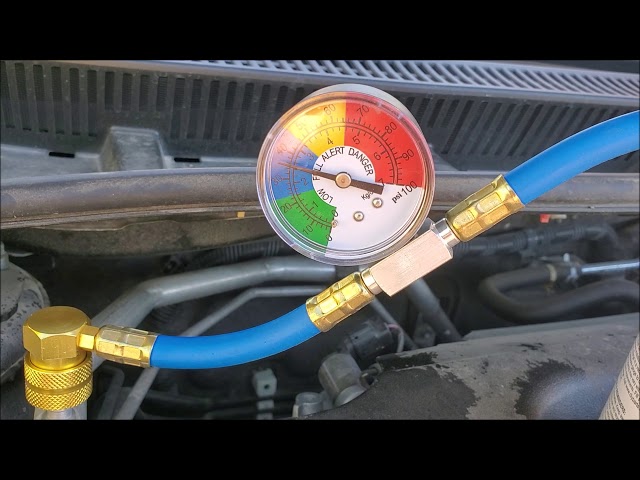
- Check the Refrigerant Pressure (Caution!): Only if you have the proper tools and experience, use a manifold gauge set to check the refrigerant pressure. Low pressure indicates a leak. Do not release refrigerant into the atmosphere.
- Check Fuses and Relays: Consult your owner’s manual to locate the fuses and relays related to the AC system. Check for blown fuses and faulty relays. Replace if necessary.
- Inspect Vacuum Lines: Look for cracked, disconnected, or damaged vacuum lines. Replace if necessary.
- Test the Cooling Fan Motor (Advanced): If the cooling fan isn’t working, use a multimeter to test the fan motor’s continuity. If there’s no continuity, the motor is likely bad.
- Check for Proper Grounding: Ensure all grounding wires related to the AC system are securely connected to the vehicle’s chassis.
- Look for Obstructions: Check the air vents inside the car for any obstructions that could impede airflow.
Fix the Issue Without Buying Parts
Before heading to the store, try these free methods:
- Cleaning the Condenser: As mentioned, debris buildup is a common problem.
- Inspect Airflow: Make sure nothing is blocking your vents inside the car.
- Verify Fan Operation: Make sure both the interior blower fan and the exterior condenser fan are operating correctly.
- Maximize Air Recirculation: When idle, use the AC’s recirculation mode to cool the air inside the car more efficiently.
When Replacement Might Be Necessary
If the above steps don’t solve the problem, component replacement might be needed. Common parts that fail include the:
- Compressor: The heart of the AC system. Replacement costs can range from $300 to $800 (USD) plus labor.
- Condenser: If damaged or corroded. Replacement costs can range from $150 to $400 (USD) plus labor.
- Cooling Fan Motor: If the fan isn’t running. Replacement costs can range from $100 to $300 (USD) plus labor.
- Refrigerant Lines: If leaking. Cost varies based on the specific line.
Safety Warning
When working on your car’s AC system, keep these safety tips in mind:
- Always disconnect the negative battery terminal before working on electrical components.
- Wear safety glasses to protect your eyes.
- Do not release refrigerant into the atmosphere. It’s harmful to the environment and illegal.
- If you’re unsure about any step, consult a qualified mechanic.
- Work in a well-ventilated area.
Tools You May Need
Here’s a list of helpful tools:
- Screwdrivers (various sizes)
- Wrench set
- Socket set
- Multimeter
- Manifold gauge set (for refrigerant pressure testing use with caution and experience only)
- Pliers
- Safety glasses
- Gloves
FAQ
Here are some frequently asked questions:
-
Q: Why is my AC cold when driving but warm when stopped?
A: This is usually due to insufficient airflow over the condenser at idle, often caused by a weak cooling fan or clogged condenser. -
Q: Can low refrigerant cause this problem?
A: Yes, low refrigerant is a very common cause. -
Q: Is it safe to drive with the AC not working properly?
A: It’s generally safe, but it can be uncomfortable and potentially cause further damage to the AC system if left unaddressed. -
Q: How often should I recharge my car’s AC?
A: There’s no set interval. Recharge only when needed (when performance degrades), and always investigate and fix any underlying leaks first.
Conclusion
Troubleshooting “car ac not cooling when idle” can seem daunting, but by following these steps, you can often identify and resolve the issue yourself. Remember to start with the simplest solutions, like cleaning the condenser and checking the cooling fan. If you’re not comfortable working on the AC system yourself, don’t hesitate to consult a qualified mechanic. With a little effort, you can get your car’s AC blowing cold again and enjoy a comfortable drive, no matter the traffic!
Youtube Video:
Looking for more useful options?
Check out recommended resources that others find helpful.