Introduction
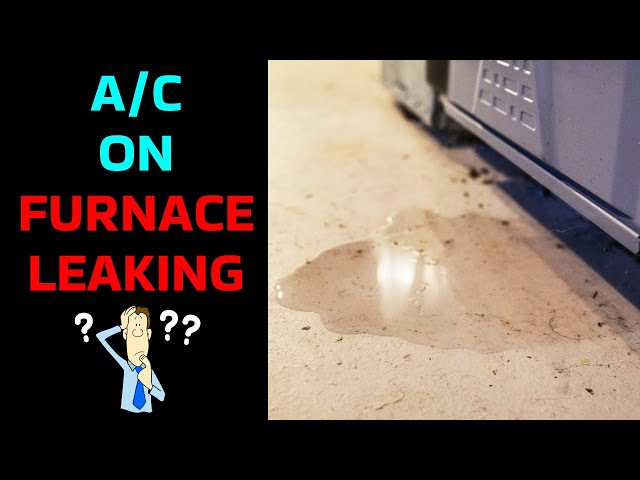
Finding water leaking from your AC furnace can be alarming. It often happens during the summer when your air conditioner is working hard, but it’s important to address it quickly. Water leaks can damage your furnace, flooring, and even lead to mold growth. This guide will walk you through common causes and simple troubleshooting steps to help you identify and possibly fix the problem yourself. Ignoring the leak could result in expensive repairs, so let’s get started!
Common Causes of AC Furnace is Leaking Water
Here are some of the most frequent reasons why your AC furnace might be leaking water:
- Clogged Condensate Drain Line: This is the most common culprit. The drain line carries away water produced by the AC. If it’s blocked, water backs up and overflows.
- Dirty Air Filter: A dirty filter restricts airflow, causing the evaporator coil to freeze. When the ice melts, it can overwhelm the drain pan.
- Cracked or Rusted Drain Pan: The drain pan collects water from the evaporator coil. If it’s damaged, it will leak.
- Low Refrigerant: Low refrigerant can cause the evaporator coil to freeze, leading to excess water when it melts.
- Improperly Sloped Drain Line: If the drain line doesn’t slope downward properly, water can pool and eventually leak.
- Loose or Disconnected Drain Line: The drain line might have come loose from the furnace or drain pan connection.
- Clogged Condensate Pump (if applicable): Some furnaces use a pump to move water uphill. If the pump is clogged or broken, water can overflow.
- High Humidity: On very humid days, your AC might produce more condensation than usual, potentially overwhelming the system.
Symptoms Checklist
Check for these indicators to confirm the issue:
- Water pooling around the base of the furnace.
- Dripping water from the furnace.
- Visible ice on the evaporator coil (usually requires opening an access panel be careful!).
- A musty odor near the furnace.
- Water stains on the ceiling or walls near the furnace.
- The furnace running constantly or not cooling properly.
How to Fix AC Furnace is Leaking Water Step-by-Step Guide
Follow these steps carefully to troubleshoot the leak:
- Turn off the furnace: Switch off the power to the furnace at the breaker box to prevent electrical shock.
- Locate the condensate drain line: It’s usually a PVC pipe running from the furnace to a drain or outside.
- Check for clogs in the drain line: Use a wet/dry vacuum to suck out any blockages. Attach the vacuum hose to the end of the drain line and let it run for a few minutes. You can also try using a stiff wire or pipe cleaner to break up clogs.
- Pour vinegar into the drain line: Pour a cup of white vinegar into the drain line to help dissolve any remaining algae or mold. Let it sit for about 30 minutes, then flush with water.
- Inspect the drain pan: Look for cracks, rust, or other damage. Use a flashlight to get a good view.
- Check the air filter: Replace a dirty air filter with a new one. This improves airflow and prevents the evaporator coil from freezing.
- Ensure the drain line is properly sloped: The drain line should slope downwards from the furnace to the drain. If it doesn’t, try to adjust it.
- Check the condensate pump (if applicable): If you have a condensate pump, make sure it’s plugged in and working. Clean the pump reservoir and check for any obstructions.
- Dry the area: Use towels or a wet/dry vacuum to clean up any standing water around the furnace.
- Turn the furnace back on: Restore power to the furnace at the breaker box.
- Monitor for leaks: Keep an eye on the furnace for the next few hours to see if the leak returns.
- Repeat steps if necessary: If the leak persists, repeat the above steps. You may need to try different methods for clearing the drain line.
- Call a professional: If you’ve tried all these steps and the leak continues, it’s time to call a qualified HVAC technician.
Fix the Issue Without Buying Parts
Before you start replacing parts, try these free methods:
- Reset the furnace: Sometimes, simply turning off the furnace and turning it back on can resolve minor issues.
- Clean the drain line regularly: Prevent clogs by pouring a cup of vinegar into the drain line every few months.
- Inspect the furnace regularly: Look for signs of leaks, rust, or other damage. Catching problems early can prevent more serious issues.
- Maintain a clean air filter: Change your air filter every 1-3 months to ensure proper airflow.
When Replacement Might Be Necessary
In some cases, replacement might be the only option:
- Cracked drain pan: If the drain pan is severely cracked or rusted, it will need to be replaced. Expect to pay between $100 and $300 for parts and labor.
- Failed condensate pump: If the condensate pump is broken and cannot be repaired, it will need to be replaced. Condensate pumps typically cost between $50 and $200.
- Refrigerant leak: If the leak is due to low refrigerant and it cannot be easily repaired, you may be facing significant repair costs or even the need for a new AC unit.
Safety Warning
- Always turn off the power to the furnace at the breaker box before working on it.
- Avoid touching any electrical components with wet hands.
- Be careful when working around water. Wipe up any spills immediately to prevent slips and falls.
- If you’re not comfortable working on electrical appliances, call a qualified HVAC technician.
Tools You May Need
- Wet/Dry Vacuum
- Screwdrivers (Phillips and Flathead)
- Adjustable Wrench
- Flashlight
- White Vinegar
- New Air Filter
- Towels
- Stiff Wire or Pipe Cleaner
FAQ
- Why is my furnace leaking water only when the AC is running? The AC produces condensation, which drains through the condensate drain line. If the drain line is clogged, the water will back up and leak.
- Can a dirty air filter cause a water leak? Yes, a dirty air filter can restrict airflow and cause the evaporator coil to freeze. When the ice melts, it can overwhelm the drain pan.
- How often should I clean my condensate drain line? You should clean your condensate drain line at least once a year, or more often if you notice signs of a clog.
- Is it safe to use bleach to clean the condensate drain line? While bleach can be effective, it can also damage some types of drain lines. White vinegar is a safer and more environmentally friendly alternative.
Conclusion
Dealing with a leaking AC furnace can seem daunting, but by following these steps, you can often identify and resolve the issue yourself. Remember to prioritize safety and take your time. If you’re uncomfortable with any of these steps or the leak persists, don’t hesitate to call a qualified HVAC technician. Addressing the problem promptly can prevent further damage and keep your home comfortable.
Youtube Video:
Looking for more useful options?
Check out recommended resources that others find helpful.