Introduction
Discovering water leaking from the bottom of your Whirlpool Cabrio washing machine can be frustrating and a little alarming. Not only can it damage your floors, but it also indicates a problem that needs immediate attention. Left unaddressed, a small leak can quickly escalate, leading to more significant water damage and potential electrical hazards. This guide is designed to help you troubleshoot the leak, identify the cause, and hopefully, fix it yourself, saving you the cost of a repair technician. Don’t panic; let’s find that leak!
Common Causes of whirlpool cabrio leaking from bottom
Here are some of the most frequent reasons your Whirlpool Cabrio washer might be leaking:
- Loose Hoses: The hoses connecting the washer to the water supply or drain can loosen over time, causing leaks.
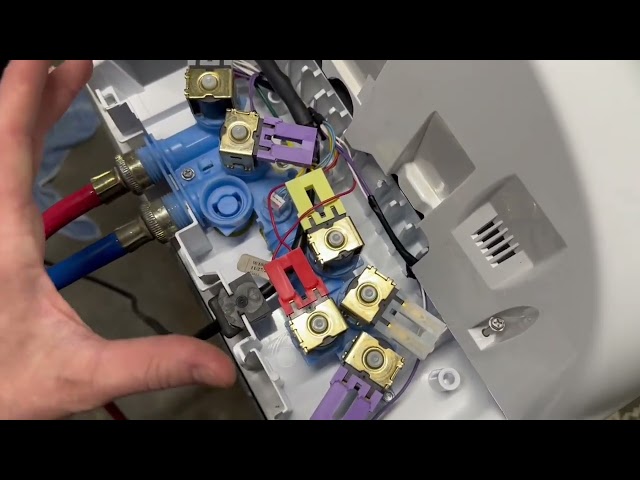
- Damaged Water Inlet Valve: This valve controls the flow of water into the washer. Cracks or malfunctions can lead to leaks.
- Drain Pump Issues: A faulty or cracked drain pump, responsible for removing water, is a common culprit for leaks at the bottom of the washer.
- Tub Seal Failure: The seal between the wash tub and the outer tub can wear out, allowing water to escape during cycles.
- Over-Sudsing: Using too much detergent can create excessive suds that overflow and leak from various points.
- Clogged Drain: A clogged drain hose or drainpipe can cause backflow and leaks, particularly during the spin cycle.
- Leaking Tub: Cracks can develop in the plastic tub over time.
- Damaged or Dislodged Drain Hose: Check where the hose connects to both the washer and the drainpipe in the wall.
Symptoms Checklist
These indicators can help pinpoint the source of your washer’s leak:
- Water pooling underneath the washer after a wash cycle.
- Dampness or visible water trails on the floor surrounding the washer.
- The presence of soap suds in the leaked water.
- Water leaking only during specific parts of the wash cycle (fill, wash, rinse, spin).
- A musty or moldy smell emanating from the washer or the surrounding area.
- Fluctuating water pressure in the house during the washer’s fill cycle.
How to Fix whirlpool cabrio leaking from bottom Step-by-Step Guide
Follow these steps to troubleshoot and potentially fix your leaking Whirlpool Cabrio:
- Safety First: Unplug the washing machine from the power outlet before you begin any inspection or repair. Also, turn off the water supply valves connected to the washer.
- Inspect the Hoses: Carefully check both the hot and cold water supply hoses, as well as the drain hose, for any signs of cracks, kinks, or loose connections. Tighten any loose connections using pliers, but avoid over-tightening.
- Check the Water Inlet Valve: Locate the water inlet valve (usually at the back of the washer where the hoses connect). Examine it for any cracks or signs of leakage.
- Examine the Drain Pump: The drain pump is usually located at the bottom of the washer. Access it by removing the front or rear access panel. Look for cracks or leaks around the pump housing.
- Inspect the Tub Seal: This requires a more in-depth inspection and may involve removing parts to see the seal. This is a more advanced troubleshooting step.
- Clean the Drain Filter: Many washers have a small drain filter located near the bottom of the machine. Remove and clean any debris from the filter, as a clogged filter can cause backflow and leaks. Refer to your owner’s manual for the filter’s location.
- Run a Test Cycle: After inspecting and tightening connections, plug the washer back in, turn on the water supply, and run a short test cycle to see if the leak persists. Observe carefully to pinpoint the exact location of the leak.
- Check for Over-Sudsing: If you suspect over-sudsing, use a high-efficiency (HE) detergent and use the correct amount recommended on the detergent packaging. Run a rinse cycle to clear any remaining suds.
- Inspect the Drain Hose Connection: Make sure the drain hose is securely inserted into the drainpipe and is not kinked or blocked.
- Level the Washer: An unlevel washer can vibrate excessively and contribute to leaks. Use a level to ensure the washer is properly balanced, adjusting the legs as needed.
- Check Tub for Cracks: Shine a flashlight into the washtub and carefully inspect the entire surface for cracks.
Fix the Issue Without Buying Parts
Before considering replacements, try these cost-free solutions:
- Reset the Washer: Unplug the washer for 1 minute and plug it back in to reset the electronic controls.
- Clean the Dispenser Drawers: Clean any detergent buildup in the dispenser drawers.
- Recalibrate the Washer: Some models have a recalibration cycle. Check your owner’s manual for instructions.
- Careful Inspection: Thoroughly re-inspect all connections, hoses, and the drain pump area, looking for anything you might have missed.
- Proper Detergent Use: Ensure you’re using the correct type and amount of detergent. Too much detergent causes oversudsing.
When Replacement Might Be Necessary
If the leak persists after troubleshooting, replacement of certain parts may be unavoidable. Common culprits include:
- Drain Pump: A new drain pump typically costs between $50 and $150 USD.
- Water Inlet Valve: A replacement valve ranges from $30 to $80 USD.
- Tub Seal: Tub seal replacement is a complex repair, often requiring professional assistance. The part itself may be inexpensive (around $20-$50 USD), but the labor cost can be significant.
- Hoses: Hoses range from $10-$30 USD and are worth replacing every 5 years as a precaution.
Safety Warning
Always prioritize safety when working on appliances:
- Unplug the washing machine from the power outlet before any inspection or repair.
- Turn off the water supply to the washer.
- Wear gloves to protect your hands.
- Clean up any spilled water immediately to prevent slips and falls.
- If you’re uncomfortable performing any of these steps, contact a qualified appliance repair technician.
Tools You May Need
Here’s a list of tools that might come in handy:
- Pliers
- Screwdrivers (Phillips and flathead)
- Adjustable wrench
- Flashlight
- Level
- Towels or rags
- Bucket
FAQ
Here are some frequently asked questions about washing machine leaks:
- Q: Why is my washer leaking only during the spin cycle? A: This often indicates a problem with the drain pump or a clogged drain hose.
- Q: Can I still use my washer if it’s leaking a little? A: No, it’s not recommended. Continued use can worsen the problem and potentially cause further damage.
- Q: How do I know if the leak is from the water supply hoses or the drain hose? A: Carefully observe the leak during different parts of the wash cycle. If it leaks only during the fill cycle, it’s likely a water supply hose issue. If it leaks during the drain cycle, it’s likely the drain hose.
- Q: Why is there soap suds in the water that is leaking? A: This is caused by using too much detergent or the wrong type of detergent. Switch to HE detergent and use the recommended amount.
Conclusion
Troubleshooting a leaking Whirlpool Cabrio washing machine can seem daunting, but by following these steps, you can often identify and fix the problem yourself. Remember to prioritize safety and take your time. If you’ve exhausted all troubleshooting steps and the leak persists, don’t hesitate to call a qualified appliance repair technician. It’s always better to be safe than sorry, especially when dealing with water and electricity.
Youtube Video:
Looking for more useful options?
Check out recommended resources that others find helpful.