Introduction
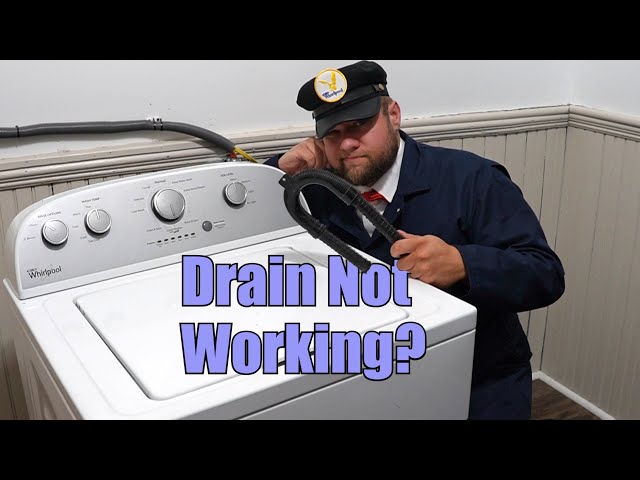
Is your Whirlpool washing machine refusing to drain water and spin your clothes dry? This is a common problem that can be frustrating. Clothes left soaking can quickly develop mildew, and a non-spinning washer can leave you with heavy, dripping laundry. Addressing this issue quickly is important to prevent further problems and get your laundry routine back on track.
Common Causes of Whirlpool Drain and Spin Problems
Here are some typical reasons why your Whirlpool washer might be struggling to drain and spin:
- Clogged Drain Hose: A blockage in the hose that carries water away from the washer.
- Clogged Drain Pump Filter: Lint, debris, and small objects can accumulate in the pump filter, restricting water flow.
- Obstructed Drain Pump: The drain pump itself might be blocked by an object.
- Kinked or Bent Drain Hose: A kink can prevent water from flowing freely.
- Faulty Lid Switch: The washer won’t spin if it doesn’t detect that the lid is closed.
- Blocked Air Vent: The air vent allows air into the drain hose to prevent siphoning. If blocked, it can affect drainage.
- Overloading the Washer: Too many clothes can put extra strain on the motor and pump.
- Defective Drain Pump: The pump itself may be broken and need replacement.
- Control Board Issues: (Less common) A malfunctioning control board can prevent the drain cycle from initiating.
Symptoms Checklist
Confirm the problem by looking for these signs:
- Washer stops mid-cycle and doesn’t progress to the spin cycle.
- Standing water remains in the drum after the wash cycle.
- You hear a humming or buzzing sound during the drain cycle, but no water drains.
- The washer displays an error code related to draining or spinning (check your user manual).
- Clothes are excessively wet after the wash cycle.
How to Fix Whirlpool Drain and Spin Step-by-Step Guide
- Unplug the Washer: Safety first! Disconnect the power cord from the outlet.
- Check the Drain Hose: Locate the drain hose at the back of the washer. Make sure it’s not kinked, bent, or crushed. Straighten any kinks.
- Inspect the Drain Hose Connection: Ensure the hose is properly connected to both the washer and the drainpipe.
- Check the Drainpipe: Make sure the drainpipe isn’t clogged. You can use a garden hose to flush it out.
- Locate the Drain Pump Filter: This is usually located at the front bottom of the washer, behind a small access panel. Consult your user manual for the exact location.
- Drain the Washer (If Necessary): Place a shallow pan or towels in front of the access panel to catch any water.
- Open the Drain Pump Filter Access: Carefully open the access panel and unscrew the drain pump filter cap (turn counter-clockwise). Be prepared for water to spill out.
- Clean the Drain Pump Filter: Remove any lint, hair, coins, or other debris from the filter.
- Inspect the Drain Pump: Shine a flashlight into the drain pump housing. Check for any visible obstructions, like socks or small items. If you see something, try to remove it carefully with pliers or tweezers (avoid damaging the pump).
- Reinstall the Drain Pump Filter: Screw the filter cap back on securely (clockwise).
- Close the Access Panel: Reattach the access panel.
- Check the Lid Switch: Manually depress the lid switch (the small plastic piece that’s activated when the lid closes). If it feels loose or broken, it might need replacement.
- Plug in the Washer: Reconnect the power cord to the outlet.
- Run a Test Cycle: Select a “Rinse and Spin” cycle to see if the washer drains and spins correctly.
- Check for Error Codes: If the problem persists, note any error codes displayed on the washer’s control panel and consult your user manual for troubleshooting steps.
Fix the Issue Without Buying Parts
Often, you can resolve drain and spin issues without purchasing new parts:
- Reset the Washer: Unplug the washer for 1-2 minutes, then plug it back in. This can sometimes reset the control board and clear error codes.
- Cleaning: Regularly clean the drain pump filter (every few months) to prevent clogs.
- Load Size: Avoid overloading the washer. Overloading puts stress on the drain pump and motor.
- Detergent Use: Use the correct amount of detergent. Too much detergent can create excessive suds that interfere with draining.
- Check Air Vent: Ensure the air vent near the drain hose connection to the drain pipe is not blocked.
When Replacement Might Be Necessary
If you’ve tried all the troubleshooting steps and the washer still doesn’t drain and spin, a part may need replacing. Common parts that fail include:
- Drain Pump: If the pump is making excessive noise or is completely dead, it likely needs replacement. Cost: $50-$150.
- Lid Switch: If the lid switch is broken, the washer won’t spin. Cost: $20-$50.
Safety Warning
- Always unplug the washer before performing any maintenance or repairs.
- Be careful when handling water and electrical components.
- If you’re uncomfortable with any of these steps, contact a qualified appliance repair technician.
- Avoid getting water on electrical parts. Dry any spills immediately.
Tools You May Need
- Screwdriver (Phillips and flathead)
- Pliers
- Shallow pan or towels
- Flashlight
- Gloves
FAQ
Here are some frequently asked questions about washer drain and spin problems:
-
Q: Why is my washer making a loud humming noise when it tries to drain?
A: This usually indicates a blockage in the drain pump. Check the drain pump filter for debris.
-
Q: How do I know if my drain pump is bad?
A: If the pump makes no noise at all, or if it makes a loud, unusual noise and the washer doesn’t drain, the pump is likely failing.
-
Q: My washer drains slowly. What could be the problem?
A: A partially clogged drain hose or drain pump filter is the most likely cause.
-
Q: The washer started spinning during the drain cycle. Is that normal?
A: No, the spin cycle should only occur after the water has drained. A faulty control board could be the cause.
Conclusion
Troubleshooting a Whirlpool washer that won’t drain and spin can seem daunting, but by following these steps, you can often identify and fix the problem yourself. Remember to prioritize safety and take your time. If you’ve exhausted these troubleshooting options and your washer still isn’t working correctly, it might be time to call a qualified appliance repair technician.
Youtube Video:
Looking for more useful options?
Check out recommended resources that others find helpful.