Introduction
A noisy washing machine can be a major headache, especially when it’s a brand new appliance. It disrupts the peace of your home and can leave you wondering if you’ve made a bad investment. Strange sounds like banging, grinding, or squealing often indicate underlying problems that need immediate attention. Ignoring these noises can lead to further damage and costly repairs down the line. This guide helps you understand common causes and provides simple steps to troubleshoot the noises from your new Whirlpool washer.
Common Causes of New Whirlpool Washer Making Noise
Here are some of the common reasons why your new Whirlpool washer might be making noise:
- Unbalanced Load: Clothes clumped to one side of the drum can cause excessive vibrations and banging noises.
- Shipping Bolts: These bolts secure the drum during transport. If they weren’t removed, the washer will shake violently and make loud noises.
- Foreign Objects: Items like coins, buttons, or even small toys can get lodged in the washer drum or pump, causing rattling or grinding sounds.
- Loose Drive Pulley: The drive pulley connects the motor to the drum. If it’s loose, it can cause squealing or scraping noises.
- Worn Drive Belt: The drive belt transfers power from the motor to the drum. A worn belt can slip and cause squealing or thumping noises.
- Faulty Motor Coupling: This part connects the motor to the transmission. A failing coupling can produce loud clicking or grinding noises.
- Drain Pump Issues: A defective drain pump can make loud buzzing or humming sounds, or even a high-pitched squeal.
- Leveling Problems: If the washer isn’t level, it can vibrate excessively and make banging noises, especially during the spin cycle.
- New Machine settling: Sometimes, new machines can make noises as parts settle into place, particularly during the first few cycles.
- Water Inlet Valve: A faulty water inlet valve might vibrate or make a humming noise during the filling cycle.
Symptoms Checklist
Check these indicators to identify the noise accurately:
- Banging or Thumping: Occurs mainly during the spin cycle.
- Grinding: Heard during agitation or spinning, possibly from debris or a worn motor coupling.
- Squealing: Might indicate a slipping drive belt or a problem with the motor.
- Rattling: Often caused by loose objects inside the drum or components.
- Humming or Buzzing: Usually associated with the drain pump or water inlet valve.
- Clicking: Could be a faulty motor coupling.
- Noise Only During Spin Cycle: Points to an unbalanced load, leveling issue or drum suspension problem.
- Noise During Water Filling: Could indicate a problem with the water inlet valve.
How to Fix New Whirlpool Washer Making Noise Step-by-Step Guide
Follow these steps to troubleshoot the noise:
- Check for Shipping Bolts: Ensure all shipping bolts and packing materials have been removed from the back of the washer. These are often bright-colored and intended to stabilize the drum during shipping.
- Level the Washer: Use a level to check if the washer is sitting evenly on the floor. Adjust the leveling feet until the washer is perfectly level. Tighten the lock nuts on the feet to secure them.
- Distribute the Load Evenly: Make sure the clothes are distributed evenly inside the drum. Avoid overloading the washer.
- Check for Foreign Objects: Inspect the drum, including the rubber seal and any crevices, for coins, buttons, or other small items. Also, check the drain pump filter (usually located at the bottom front of the washer).
- Inspect the Drive Belt: Unplug the washer and access the drive belt (usually located at the back of the washer). Check for signs of wear, cracks, or looseness. (This may require removing an access panel).
- Check the Drain Pump: Locate the drain pump and check for any obstructions. You can usually access it from the back or bottom of the washer.
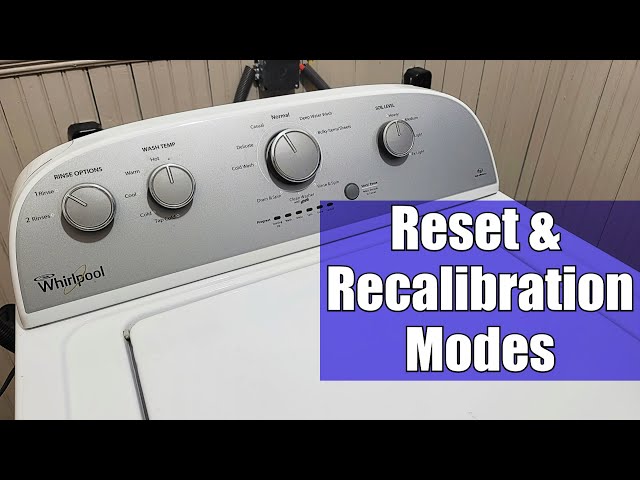
- Run a Calibration Cycle: Consult your washer’s manual for instructions on how to run a calibration cycle. This can help the washer re-learn its settings and correct any imbalances.
- Inspect Water Inlet Valves: Visually inspect the water inlet valves and hoses for any damage or loose connections.
- Check for Loose Parts: With the washer unplugged, gently try to wiggle any visible components, like the motor or pump, to see if anything feels loose.
- Run an Empty Cycle: Run a short, empty cycle to see if the noise persists without any load. This can help isolate the source of the problem.
- Listen Closely: Try to pinpoint exactly where the noise is coming from during different phases of the wash cycle (filling, washing, spinning, draining). This information will be valuable for troubleshooting.
- Check the Suspension Rods: These rods help stabilize the drum. If they are worn, the washer can vibrate and make banging noises. Locate them by removing the top panel of the washer (unplug first!). Inspect for damage or wear.
Fix the Issue Without Buying Parts
Sometimes, you can resolve the issue without immediately buying new parts:
- Reset the Washer: Unplug the washer for a few minutes, then plug it back in. This can sometimes reset the control panel and resolve minor glitches.
- Clean the Washer: Run a cleaning cycle with a washing machine cleaner to remove any buildup of detergent or fabric softener.
- Recalibrate the Washer: As mentioned before, recalibrating the washer according to the manufacturer’s instructions can sometimes fix the issue.
- Inspect Hoses: Check water inlet and drain hoses for kinks or blockages. Straighten any kinks and remove any visible debris.
- Proper Loading Techniques: Ensure you’re not overloading the machine and that the load is balanced. Avoid washing heavy items with light items.
When Replacement Might Be Necessary
In some cases, the noise may indicate a more serious problem requiring part replacement:
Parts that commonly fail and contribute to noise include the drain pump ($50-$150 USD), drive belt ($20-$50 USD), motor coupling ($30-$70 USD), or suspension rods ($40-$100 USD per set). If you’ve tried all the troubleshooting steps and the noise persists, it might be time to consider replacing one of these parts. If you are not comfortable doing this yourself, contact a qualified appliance repair technician.
Safety Warning
- Always unplug the washing machine from the power outlet before performing any maintenance or repairs.
- Avoid working on the washer if the floor is wet to prevent electric shock.
- If you’re unsure about any step, consult a qualified appliance repair technician.
- Be careful when handling tools and parts to avoid injury.
Tools You May Need
Here are some simple tools that might be useful:
- Level
- Screwdriver (Phillips and flathead)
- Pliers
- Wrench
- Gloves
- Flashlight
FAQ
Here are some frequently asked questions:
-
Q: Why is my new washer so loud during the spin cycle?
A: This could be due to an unbalanced load, the washer not being level, or the shipping bolts not being removed. -
Q: How do I know if the drive belt is the problem?
A: A worn drive belt usually produces a squealing or thumping noise, and you might notice a burning rubber smell. -
Q: Can I replace the drain pump myself?
A: Yes, with some basic tools and careful attention to detail, you can usually replace the drain pump. There are many online tutorials available. -
Q: What should I do if I can’t find the source of the noise?
A: If you’ve tried all the troubleshooting steps and the noise persists, it’s best to consult a qualified appliance repair technician. -
Q: My washer hums but doesn’t drain. What’s wrong?
A: This often indicates a problem with the drain pump, either a blockage or a faulty pump motor.
Conclusion
Troubleshooting a noisy washing machine can seem daunting, but by following these steps, you can often identify and resolve the issue yourself. Always prioritize safety and consult the washer’s manual for specific instructions. Don’t hesitate to seek professional help if you’re uncomfortable with any of the troubleshooting steps. Most importantly, attempt these DIY fixes before immediately calling a technician. You might just save yourself time and money!
Youtube Video:
Looking for more useful options?
Check out recommended resources that others find helpful.