Introduction
Is your portable washing machine refusing to spin, leaving your clothes soaking wet? This is a common problem for portable washing machine owners and can be frustrating. Without the spin cycle, your clothes will take much longer to dry, and can even develop unpleasant odors. Addressing this promptly is crucial to prevent mildew and get your laundry routine back on track. Fortunately, many causes are easy to troubleshoot at home.
Common Causes of Portable Washing Machine Not Spinning
Here are some typical reasons why your portable washing machine might not be spinning:
- Overloading the Machine: Too many clothes can strain the motor and prevent it from spinning.
- Uneven Load Distribution: Clothes bunched on one side create imbalance, stopping the spin.
- Blocked Drain Hose: If the water can’t drain, the machine won’t spin.
- Clogged Drain Pump Filter: Debris can block the filter, preventing proper drainage and spin.
- Loose or Damaged Drive Belt: The belt connects the motor to the spinning mechanism; if loose or broken, it won’t spin.
- Lid Switch Malfunction: The lid switch ensures the machine only spins when the lid is closed; if faulty, it can prevent spinning.
- Motor Problems: The motor that powers the spin cycle might be damaged or experiencing issues.
- Control Panel Issues: Sometimes the control panel can glitch or malfunction, preventing the spin cycle from initiating.
Symptoms Checklist
Use this checklist to help identify the issue:
- The washing machine fills with water, but doesn’t spin.
- The washing machine makes a humming noise but doesn’t spin.
- The washing machine spins weakly or intermittently.
- The washing machine drains water very slowly or not at all.
- The washing machine displays an error code related to spinning or draining.
- The washing machine smells burnt.
How to Fix Portable Washing Machine Not Spinning Step-by-Step Guide
Follow these steps to troubleshoot your portable washing machine:
- Unplug the Washing Machine: Always disconnect the power before inspecting or repairing any appliance.
- Check for Overloading: Remove some clothes to reduce the load size. Aim for a loosely filled drum.
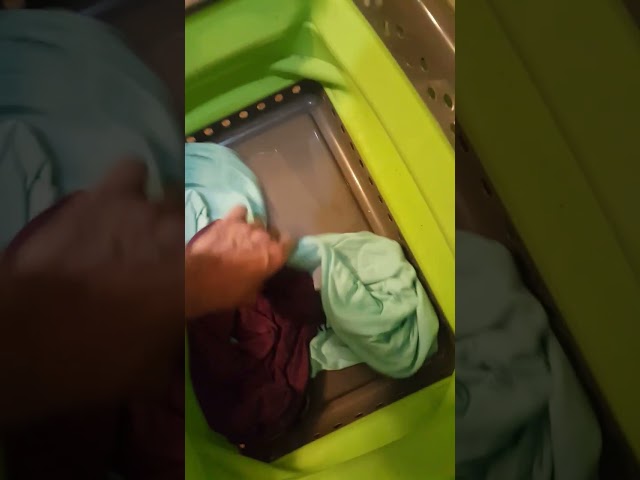
- Rearrange the Load: Manually redistribute the clothes inside the drum to ensure an even balance.
- Inspect the Drain Hose: Check for kinks, bends, or blockages in the drain hose. Straighten it out and remove any visible obstructions.
- Clean the Drain Pump Filter: Locate the drain pump filter (usually at the bottom front or rear of the machine). Open the access panel, carefully remove the filter, and clean out any lint, hair, or debris. Reinstall the filter securely.
- Check the Lid Switch: Open and close the lid several times to see if the switch clicks. If not, it might be faulty. (Testing this further requires a multimeter and is best left to professionals if you’re not comfortable.)
- Listen for Motor Activity: Start a spin cycle and listen for a humming or buzzing noise. If there’s no sound, the motor might have issues.
- Check the Control Panel: Try resetting the machine by unplugging it for 5-10 minutes and then plugging it back in. Select the spin cycle again to see if it works.
- Check the Drive Belt (if accessible): Some portable machines have accessible drive belts. Unplug the machine and carefully inspect the belt for cracks, looseness, or breaks. (Note: Accessing this may require disassembling the machine, so proceed with caution).
- Look for Error Codes: Consult your user manual to understand what error codes indicate and follow the recommended solutions.
- Check the Water Level: If the machine is filled with water, ensure the drain function is working. If not, manually drain the water using a bucket.
- Test Spin Cycle Individually: Try running only a spin cycle to isolate the issue. This helps determine if the problem is specific to the wash cycle.
Fix the Issue Without Buying Parts
Before considering replacements, try these free fixes:
- Resetting the Machine: Unplugging the machine for 5-10 minutes can sometimes reset the control panel and resolve glitches.
- Cleaning the Filter Regularly: Prevent future blockages by cleaning the drain pump filter every few weeks.
- Proper Load Size: Avoid overloading the machine to prevent strain on the motor and drive belt.
- Leveling the Machine: Ensure the machine is level on the floor to prevent imbalances during the spin cycle. Use a level and adjust the feet as needed.
When Replacement Might Be Necessary
If none of the above steps work, the motor, drive belt, or control panel might be faulty and require replacement. Replacing the motor can cost between $80-$200, the drive belt $20-$50, and the control panel $100-$300 (USD), depending on the model. However, before replacing, evaluate the overall condition of your machine. If it’s old or has other issues, consider replacing the entire washing machine rather than investing in costly repairs.
Safety Warning
- Always unplug the washing machine before attempting any repairs.
- Avoid working on electrical components if you are not comfortable or experienced.
- Be cautious of sharp edges when disassembling the machine.
- Clean up any spilled water immediately to prevent slips.
- If you are unsure about any step, consult a qualified appliance repair technician.
Tools You May Need
- Screwdrivers (Phillips and flathead)
- Pliers
- Bucket (for draining water)
- Towels (for cleaning up spills)
- Gloves
- Level
FAQ
Here are some frequently asked questions:
- Q: Why is my portable washing machine making a loud noise but not spinning? A: This could indicate a problem with the motor, drive belt, or drum bearings. Inspect these components for damage or wear.
- Q: How do I know if the lid switch is bad? A: The easiest way is to visually inspect the switch for damage. Also, if the machine doesnt start at all, even the wash cycle, the lid switch is a prime suspect. More advanced testing requires a multimeter.
- Q: Can I use regular laundry detergent in a portable washing machine? A: Yes, but it’s generally recommended to use HE (High Efficiency) detergent as it produces less suds and is better for smaller machines.
- Q: What should I do if my machine displays an error code? A: Consult your user manual for the specific error code and follow the recommended troubleshooting steps.
- Q: How often should I clean my washing machine? A: It’s recommended to clean your washing machine every month or so to prevent buildup of detergent, lint, and mildew. Run an empty cycle with a washing machine cleaner or a mixture of vinegar and baking soda.
Conclusion
A portable washing machine not spinning can be a real inconvenience, but often the fix is straightforward. By following this troubleshooting guide, you can address common issues yourself and potentially save on repair costs. Before calling a technician, carefully go through each step. With a little patience, you might be able to get your laundry spinning again in no time!
Youtube Video:
Looking for more useful options?
Check out recommended resources that others find helpful.