Introduction
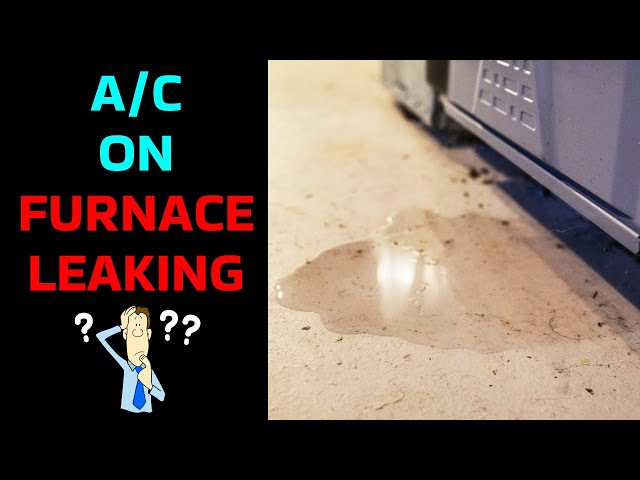
Water dripping from the front of your air conditioning unit is a common problem that can be frustrating and potentially damaging. This leakage, if left unchecked, can lead to mold growth, damage to your walls and flooring, and even electrical hazards. It often happens during periods of high humidity or when the AC unit is working particularly hard. Addressing this issue promptly is crucial to prevent further damage and ensure your AC operates efficiently.
Common Causes of AC Front Side Water Leakage
Here are several common reasons why your AC unit might be leaking water from the front:
- Clogged Condensate Drain Line: This is the most frequent cause. The drain line carries water away from the unit, and if it’s blocked, water will back up and leak.
- Dirty Air Filter: A dirty air filter restricts airflow, causing the evaporator coil to freeze. When the ice melts, it overwhelms the drain pan.
- Frozen Evaporator Coil: As mentioned above, a frozen coil can lead to excessive water buildup when it thaws.
- Damaged Drain Pan: The drain pan collects condensation. If it’s cracked or rusted, water will leak.
- Incorrect AC Unit Installation: If the AC unit isn’t properly leveled, water might not drain correctly.
- High Humidity Levels: On extremely humid days, your AC might struggle to keep up, leading to increased condensation and potential leaks.
- Leaky or Disconnected Drain Line: The drain line might be loosely connected or have a crack, causing water to escape.
- Refrigerant Leak: While less common, a refrigerant leak can cause the evaporator coil to get too cold, leading to freezing and subsequent water leakage.
Symptoms Checklist
Use this checklist to help confirm the problem:
- Water dripping or pooling from the front of your AC unit.
- Visible ice buildup on the evaporator coil (usually inside the unit).
- Musty odor coming from the AC unit or surrounding area.
- AC unit not cooling as effectively as usual.
- Water stains on the wall or floor near the AC unit.
- Dripping noise from the AC unit, even when it’s turned off.
How to Fix AC Front Side Water Leakage Step-by-Step Guide
Follow these steps to troubleshoot and fix the water leakage:
- Turn Off the AC Unit: Before starting any troubleshooting, turn off the AC unit at the thermostat and breaker to prevent electrical shock.
- Inspect the Air Filter: Remove the air filter and check if it’s dirty. If it is, clean or replace it.
- Locate the Condensate Drain Line: This is usually a PVC pipe that exits the AC unit (often outside).
- Check for Clogs in the Drain Line: Look for any visible blockage at the end of the drain line.
- Flush the Drain Line: Use a wet/dry vacuum to suck out any clogs. Place the vacuum hose over the drain line opening and create a tight seal. Run the vacuum for a few minutes. Alternatively, you can use a garden hose to flush the line with water.
- Pour a Cup of Bleach or Vinegar: Pour a cup of diluted bleach or white vinegar into the drain line to kill any mold or algae that might be causing the blockage. Let it sit for about 30 minutes, then flush with water again.
- Inspect the Drain Pan: Carefully examine the drain pan for cracks, rust, or damage.
- Check for Frozen Evaporator Coil: If you suspect a frozen coil, turn off the AC and let it thaw for several hours. Make sure the filter is clean.
- Ensure Proper AC Unit Leveling: Use a level to check if the AC unit is properly leveled. If it’s not, shim it to ensure proper drainage.
- Reconnect any Loose Drain Lines: Ensure that the drain line is securely connected to the AC unit.
- Turn the AC Back On: After completing the above steps, turn the AC unit back on and monitor for any further leaks.
- Monitor the AC unit: After you turn it back on, check the leakage again after a few hours.
Fix the Issue Without Buying Parts
Here are some things you can try before considering part replacement:
- Regular Filter Cleaning: Clean or replace your air filter monthly, especially during peak usage.
- Drain Line Maintenance: Regularly flush the condensate drain line with vinegar or bleach solution every few months.
- Visual Inspection: Periodically inspect the AC unit and surrounding area for any signs of leaks or damage.
- AC Unit Reset: Sometimes, simply turning off the AC unit at the breaker for a few minutes and then turning it back on can resolve minor issues.
When Replacement Might Be Necessary
If you’ve tried all the troubleshooting steps and the leakage persists, you might need to replace a part. A damaged drain pan (costing $50-$150) or a faulty condensate pump (costing $100-$300) are common culprits. In rare cases, a refrigerant leak might require professional repair or even unit replacement (costing $500-$2000+).
Safety Warning
- Always turn off the AC unit at the breaker before performing any maintenance or repairs.
- Avoid touching any electrical components with wet hands.
- Be careful when working with cleaning solutions like bleach or vinegar. Wear gloves and eye protection.
- If you’re uncomfortable performing any of these steps, consult a qualified HVAC technician.
- Do not operate the AC with water on the floor.
Tools You May Need
- Wet/dry vacuum
- Garden hose
- Screwdriver
- Level
- Gloves
- Eye protection
FAQ
-
Q: Why is my AC leaking even after I cleaned the drain line?
A: There might be a crack in the drain pan or a frozen evaporator coil. Check those components. -
Q: How often should I clean my AC filter?
A: At least once a month, or more often if you have pets or allergies. -
Q: Is it safe to use bleach to clean the drain line?
A: Yes, but dilute it with water and avoid splashing. -
Q: How do I know if my evaporator coil is frozen?
A: Look for ice buildup on the coil inside the unit. If you see ice, turn off the AC and let it thaw.
Conclusion
Fixing an AC front side water leakage issue can seem daunting, but by following these steps, you can often diagnose and resolve the problem yourself. Regular maintenance and prompt attention to any issues can save you money and prevent further damage. If you’re uncomfortable with any of these steps, don’t hesitate to call a qualified HVAC technician. But give it a try first you might be surprised at what you can accomplish!
Youtube Video:
Looking for more useful options?
Check out recommended resources that others find helpful.