Introduction
Discovering your LG washer isn’t draining properly can be frustrating, leading to soggy clothes and a non-functional appliance. An “lg washer drain clogged” situation can occur due to various reasons, like lint buildup, small objects obstructing the drain, or even issues with the drain hose itself. Addressing this promptly is important to prevent potential water damage to your home and to get your washer back in working order. Don’t worry, many times this is a simple fix you can do yourself!
Common Causes of lg washer drain clogged
Here are some of the most common reasons why your LG washer’s drain might be clogged:
- Lint Buildup: Lint is a common culprit. Over time, it accumulates in the drain pump filter and drain hose, restricting water flow.
- Small Objects: Socks, coins, buttons, or other small items can accidentally slip into the washer and block the drain.
- Drain Hose Kinks or Blockages: A kinked or twisted drain hose can severely restrict or stop water flow. Debris inside the hose can also create a blockage.
- Drain Pump Filter Clog: The drain pump filter is designed to catch debris. If it’s full, it will prevent the washer from draining.
- Drain Pump Malfunction: A faulty drain pump might not be able to effectively pump water out of the washer.
- Drain Standpipe Issues: If the standpipe (the pipe your drain hose empties into) is clogged, it will back up into the washing machine.
- Excessive Soap Usage: Using too much detergent can create excessive suds, hindering the draining process.
- Hard Water Deposits: Over time, mineral buildup from hard water can restrict water flow in the drain system.
Symptoms Checklist
Here are some signs that indicate your LG washer drain is clogged:
- Water remains in the washing machine drum after a cycle.
- The washing machine makes unusual noises during the drain cycle.
- The drain cycle takes significantly longer than usual.
- An error code related to draining appears on the washer’s display. (e.g., OE, DE, IE)
- The washer smells musty or moldy due to standing water.
How to Fix lg washer drain clogged Step-by-Step Guide
Follow these steps to troubleshoot and fix an “lg washer drain clogged” issue:
- Unplug the Washer: For safety, disconnect the washer from the power outlet before starting any troubleshooting.
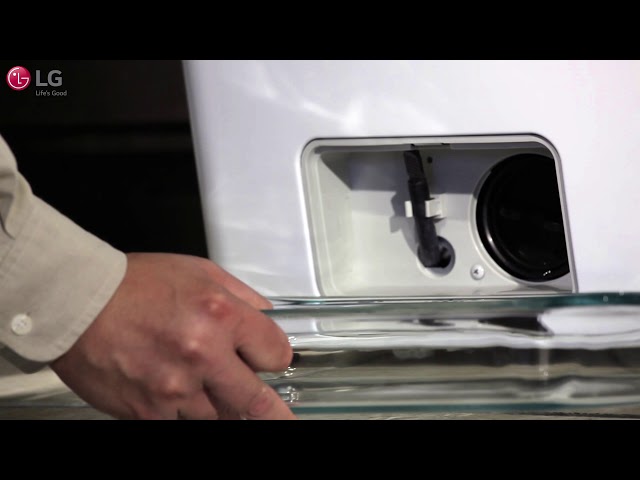
- Locate the Drain Pump Filter: This is usually located at the bottom front of the washer, behind a small access panel. Consult your owner’s manual if you’re unsure of the location.
- Prepare for Water Spillage: Place a shallow pan or towels under the access panel to catch any water that may spill out when you open the filter.
- Open the Access Panel: Carefully open the access panel, usually by prying it open or unscrewing it.
- Remove the Drain Pump Filter: Slowly unscrew or pull out the drain pump filter. Some models have a small drain hose next to the filter that you should use to drain the water first.
- Clean the Drain Pump Filter: Rinse the filter thoroughly under running water, removing any lint, debris, or foreign objects.
- Inspect the Drain Pump Housing: Shine a flashlight into the drain pump housing and check for any obstructions. You may be able to reach in and remove any visible debris with your fingers or pliers (be careful!).
- Reinstall the Drain Pump Filter: Place the cleaned filter back into its housing, ensuring it’s securely tightened.
- Check the Drain Hose: Disconnect the drain hose from the back of the washer and from the drain standpipe.
- Inspect the Drain Hose for Kinks: Straighten out any kinks or bends in the drain hose.
- Flush the Drain Hose: Run water through the drain hose to dislodge any debris. You can use a garden hose or a sink faucet.
- Check the Drain Standpipe: If the drain standpipe appears clogged, use a plumbing snake or auger to clear any obstructions.
- Reconnect the Drain Hose: Reattach the drain hose to the washer and the drain standpipe, ensuring a secure connection.
- Run a Test Cycle: Plug the washer back in and run a short test cycle to see if the drain is now working properly.
- Observe for Leaks: During the test cycle, check for any leaks around the drain pump filter and the drain hose connections.
Fix the Issue Without Buying Parts
Before considering replacements, try these cost-free solutions:
- Washer Reset: Unplug the washer for a few minutes, then plug it back in. This can sometimes reset the system and resolve minor issues.
- Empty Washer Cycle: Run an empty cycle with hot water and a cup of white vinegar to help dissolve soap residue and mineral buildup.
- Reduce Soap: Use the recommended amount of detergent as indicated on the detergent packaging and in your washer’s manual.
- Regular Cleaning: Clean the drain pump filter and wipe down the washer drum regularly to prevent buildup.
- Inspect Water Level Sensor: Check the hose to the water level sensor, if easily accessible, for blockages or kinks.
When Replacement Might Be Necessary
If you’ve tried all the troubleshooting steps and the washer still isn’t draining properly, a replacement part may be needed. The most common culprits are:
- Drain Pump: If the pump is making loud noises or not functioning, it likely needs replacement. Costs range from $50 to $150.
- Drain Hose: If the hose is damaged or severely clogged beyond cleaning, replace it. A new hose usually costs between $15 and $30.
Safety Warning
- Always unplug the washer from the power outlet before performing any maintenance or repairs.
- Be prepared for water spillage when removing the drain pump filter or drain hose.
- Avoid contact with electrical components while the washer is plugged in.
- Wear gloves to protect your hands from sharp edges or debris.
- Clean up any spills immediately to prevent slips and falls.
Tools You May Need
- Screwdrivers (Phillips and flathead)
- Pliers
- Shallow pan or towels
- Flashlight
- Plumbing snake or auger (for drain standpipe)
- Gloves
FAQ
-
Q: Why is my LG washer showing an “OE” error code?
A: The “OE” error code typically indicates a drain issue. Check the drain pump filter and drain hose for blockages.
-
Q: How often should I clean the drain pump filter?
A: It’s recommended to clean the drain pump filter every 1-3 months, depending on how often you use your washer.
-
Q: Can I use bleach to clean the drain pump filter?
A: It’s generally not recommended to use bleach directly on the drain pump filter, as it can damage the material. Use water and mild soap instead.
-
Q: What should I do if I can’t remove the drain pump filter?
A: Try gently rocking the filter back and forth while pulling it out. If it’s still stuck, consult a professional technician.
Conclusion
Troubleshooting an “lg washer drain clogged” problem can seem daunting, but with these steps, you’re well-equipped to diagnose and resolve the issue yourself. Remember to prioritize safety and take your time. If you’ve exhausted all these methods and your washer still isn’t draining, it might be time to call a qualified appliance repair technician. However, many times you can solve the problem yourself and save money! Good luck!
Youtube Video:
Looking for more useful options?
Check out recommended resources that others find helpful.