Introduction
Discovering water pooling around your LG washing machine after a cycle is frustrating. A common culprit is a leak originating from the filter area. This leak, if ignored, can damage your floors, promote mold growth, and potentially harm the washing machine’s internal components. This guide provides a step-by-step approach to identifying the cause and fixing the leak, saving you time and money.
Common Causes of lg washing machine leaking from filter
Several factors can contribute to a leak from the filter area of your LG washing machine:
- Loose Filter Cap: The filter cap might not be screwed on tightly enough, causing water to seep out.
- Damaged Filter O-Ring: The rubber O-ring (or gasket) that seals the filter cap can become cracked, worn, or dislodged, leading to leaks.
- Debris in the Filter Threads: Small objects like lint, hair, or coins can become lodged in the filter threads, preventing a tight seal.
- Cracked Filter Housing: The plastic housing that holds the filter can crack due to age, impact, or freezing temperatures.
- Over-tightened Filter Cap: Ironically, over-tightening can damage the O-ring or the housing itself.
- Clogged Drain Pump Filter: A severely clogged filter can put pressure on the system, forcing water past the seals.
- Improper Filter Installation: If the filter wasn’t correctly installed after a cleaning, it might not create a proper seal.
- Faulty Drain Pump: In rare cases, the drain pump itself can be leaking internally, with water appearing to come from the filter area.
Symptoms Checklist
Look for these indicators to confirm the leak is originating from the filter:
- Visible water pooling near the front of the washing machine, especially after a wash cycle.
- Water dripping directly from the filter cap or the surrounding area.
- Dampness or wetness on the floor specifically around the filter access panel.
- A musty or mildew smell emanating from the base of the washing machine.
- Error codes related to draining issues on the washing machine’s display panel.
How to Fix lg washing machine leaking from filter Step-by-Step Guide
Follow these steps to troubleshoot and fix the leak:
- Safety First: Unplug the washing machine from the power outlet.
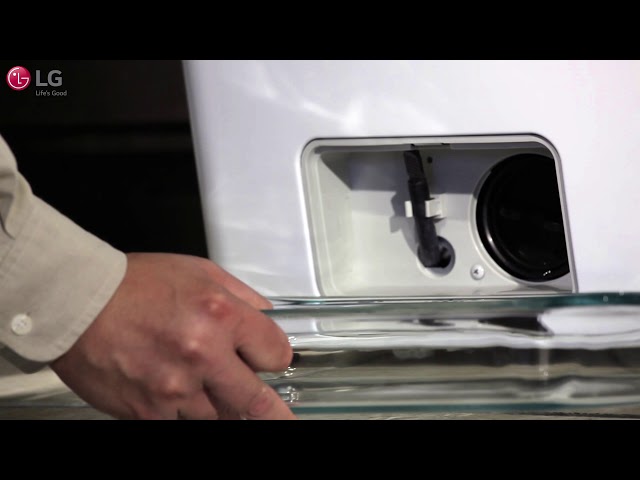
- Locate the Filter: The filter access panel is usually located at the bottom front of the washing machine. You may need a screwdriver to remove a small access panel.
- Prepare for Water: Place a shallow pan or several towels under the filter area to catch any water that spills out.
- Open the Drain Hose (If Applicable): Some LG models have a small drain hose next to the filter. Carefully open this hose and drain any remaining water into your pan.
- Remove the Filter Cap: Slowly unscrew the filter cap counterclockwise. Be prepared for water to come out.
- Inspect the O-Ring: Examine the rubber O-ring (or gasket) on the filter cap. Look for cracks, tears, or deformation.
- Clean the O-Ring (If Applicable): If the O-ring looks okay, clean it with a damp cloth to remove any dirt or debris. You can also apply a thin layer of silicone grease to help it seal.
- Inspect the Filter Threads: Check the threads on both the filter cap and the filter housing for any debris. Remove any lint, hair, or foreign objects. Use a small brush if necessary.
- Inspect the Filter Housing: Carefully examine the plastic housing for any cracks or damage. If you find a crack, skip to the “When Replacement Might Be Necessary” section.
- Clean the Filter: Rinse the filter thoroughly under running water to remove any accumulated debris.
- Reinstall the Filter: Reinsert the filter and screw the cap on tightly, but don’t over-tighten. Hand-tighten it until it feels snug.
- Test for Leaks: Plug the washing machine back in and run a short rinse cycle. Observe the filter area carefully for any leaks.
- Adjust if Necessary: If you still see a leak, try tightening the filter cap a little more. If that doesn’t work, consider reseating the O-ring or applying more silicone grease.
- Check the Drain Hose Connection: If your model has a drain hose, ensure it is securely connected and not leaking.
Fix the Issue Without Buying Parts
Before considering replacement parts, try these free solutions:
- Reset the Washing Machine: Unplug the machine for 5 minutes, then plug it back in. This can sometimes clear error codes and resolve minor issues.
- Thorough Cleaning: Run a self-clean cycle with a washing machine cleaner to remove buildup that might be affecting the drain pump.
- Level the Washing Machine: Ensure the washing machine is level. Uneven leveling can cause vibrations and contribute to leaks.
- Inspect Hoses: Check all hoses connected to the washing machine (inlet and drain) for cracks or loose connections.
When Replacement Might Be Necessary
If the above steps don’t fix the leak, you might need to replace a part:
- Damaged O-Ring: A replacement O-ring is inexpensive (around $5-$10) and readily available online or at appliance parts stores.
- Cracked Filter Housing: Replacing the filter housing is a more involved repair, and the part can cost between $30 and $75.
- Faulty Drain Pump: Drain pump replacement is the most expensive option, with parts costing $50-$150. If you suspect a faulty drain pump, consider consulting a professional.
Safety Warning
- Always unplug the washing machine before performing any maintenance or repairs.
- Be careful when handling water to avoid slips and falls. Clean up any spills immediately.
- If you are uncomfortable performing any of these steps, contact a qualified appliance repair technician.
Tools You May Need
- Screwdriver (Phillips or Flathead, depending on your model)
- Shallow pan or towels
- Small brush
- Silicone grease (optional)
- Pliers (optional, for removing stubborn O-rings)
FAQ
Here are some frequently asked questions:
- Q: Why is my washing machine leaking even after I cleaned the filter? A: The O-ring might be damaged, or there could still be debris in the threads. Double-check both.
- Q: How often should I clean the washing machine filter? A: It’s recommended to clean the filter every 1-3 months, depending on usage.
- Q: Can I use a different type of O-ring? A: It’s best to use the exact replacement O-ring specified for your LG washing machine model.
- Q: The water is coming from behind the filter panel. Is it still the filter? A: Possibly. It could be a leaking hose connection nearby. Investigate further with a flashlight. If unsure, call a technician.
Conclusion
Troubleshooting a leak from the filter of your LG washing machine is often a straightforward process. By following these steps, you can often resolve the issue yourself, saving time and money. However, if you are uncomfortable with any of these steps or the leak persists, don’t hesitate to contact a qualified appliance repair technician. They have the expertise and tools to diagnose and fix more complex problems.
Youtube Video:
Looking for more useful options?
Check out recommended resources that others find helpful.