
Introduction
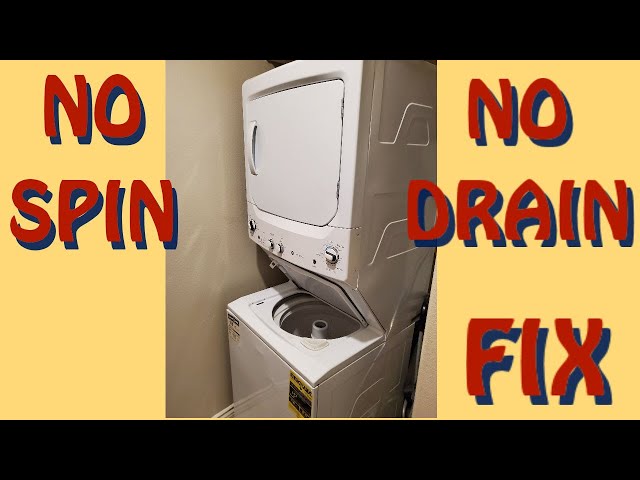
Discovering your GE Spacemaker washer won’t spin is a frustrating problem. A washer that refuses to spin leaves your clothes sopping wet, potentially leading to mold and mildew issues. It can happen after a particularly large load, a power outage, or seemingly out of nowhere. Addressing this issue promptly can save you time, money, and the hassle of hand-wringing your laundry. Let’s get that washer spinning again!. Explore more in our Washing Machine Problems 3 collection.
💡 Technical Key Takeaways:
- Core Focus: Diagnostic schematic and terminal connection layout for Ge Spacemaker Washer Won T Spin.
- Target Scope: Field technicians, automotive DIYers, and residential/commercial electricians.
- Safety Rule: Always disconnect the primary power source/battery terminal and verify zero voltage with a multimeter before touching wires.
Common Causes of ge spacemaker washer won t spin
Several factors can cause your GE Spacemaker washer to stop spinning. Here are some common culprits:
- Overloaded Washer: Too many clothes can prevent the motor from spinning properly.
- Unbalanced Load: Clothes clumped to one side can throw off the washer’s balance.
- Lid Switch Malfunction: The washer won’t spin if the lid switch is faulty. This switch tells the machine the lid is closed for safety.
- Drive Belt Issues: A worn, loose, or broken drive belt can stop the tub from spinning.
- Motor Problems: The motor itself might be failing.
- Drainage Problems: If the washer can’t drain the water, it won’t spin.
- Clogged Drain Pump: A clogged drain pump prevents the washer from draining, thus preventing spin cycle.
- Faulty Clutch: The clutch engages the spin cycle; if it’s damaged, spinning is impossible.
- Timer/Control Board Problems: The timer or control board might be malfunctioning, sending incorrect signals.
- Worn Carbon Brushes (Motor): Over time, the carbon brushes inside the motor can wear down, leading to a loss of power.
Symptoms Checklist
Use this checklist to narrow down the problem:
- Washer fills with water but doesn’t agitate or spin.
- Washer agitates but doesn’t spin.
- Washer makes a humming or buzzing noise but doesn’t spin.
- Washer spins very slowly or weakly.
- Washer displays an error code related to spinning or draining.
- Washer doesn’t drain the water completely.
- Washer stops mid-cycle.
How to Fix ge spacemaker washer won t spin Step-by-Step Guide
Follow these steps to troubleshoot your washer:
- Unplug the Washer: Always disconnect the power before working on appliances.
- Check for an Overload: Remove some items if the washer is overloaded and try again.
- Rearrange the Load: Stop the washer and redistribute the clothes evenly around the tub.
- Check the Lid Switch: Manually depress the lid switch with a screwdriver (while unplugged). If the washer starts when you press the switch, the switch might be faulty. Examine for damage.
- Inspect the Drain Hose: Make sure the drain hose is not kinked or blocked.
- Clean the Drain Pump Filter: Locate the drain pump (usually at the bottom front or back of the washer). Open the access panel and remove any debris from the filter. Be prepared for some water to spill.
- Check the Drive Belt: (Warning: Some GE spacemaker washers don’t have a belt, depending on their design) Access the drive belt by removing the back panel of the washer. Inspect the belt for cracks, wear, or looseness. If it’s damaged, it will need to be replaced by a professional.
- Check Motor Coupler: Look for a broken or damaged motor coupler between the motor and transmission. Some models use a motor coupler.
- Check for Obstructions in the Tub: Make sure no object is stuck between the inner and outer tubs.
- Listen for Unusual Noises: During a spin cycle attempt, listen for unusual noises like grinding or squealing, which can indicate motor or bearing issues.
- Run a Calibration Cycle: Many washers have a calibration cycle. Consult your owner’s manual on how to initiate this cycle. This can sometimes resolve electronic glitches.
- Check the Water Level Sensor: A faulty water level sensor can prevent the washer from spinning if it thinks the tub is still full of water.
- Check the Motor: (If you’re comfortable) With the washer unplugged, try spinning the motor pulley by hand. It should turn smoothly. If it’s difficult to turn or makes noise, the motor may be failing.
- Reset the Washer: Unplug the washer for 1-2 minutes, then plug it back in. This can sometimes reset the control board.
Fix the Issue Without Buying Parts
Before resorting to replacing parts, try these free methods:
- Reset the Washer: As mentioned above, unplugging the washer for a few minutes can sometimes clear electronic errors.
- Clean the Drain Pump Filter Regularly: Prevent clogs by cleaning the filter every few months.
- Avoid Overloading: Adhere to the washer’s capacity recommendations.
- Level the Washer: Ensure the washer is level to prevent unbalanced loads. Use a level and adjust the feet on the bottom of the washer.
- Regular Maintenance: Run a washer cleaning cycle with a washer cleaner or vinegar every month to prevent buildup.
When Replacement Might Be Necessary
If the above steps don’t resolve the issue, some parts might need replacing. Common culprits include:
- Lid Switch: $20 – $50.
- Drive Belt: $10 – $30 (but requires expertise to install on belt-driven models).
- Drain Pump: $50 – $150.
- Motor: $100 – $300 (requires professional installation in most cases).
- Control Board: $150 – $400 (complex to replace; consider professional help).
Consider calling a qualified appliance repair technician if the problem persists, especially with the motor or control board. For more related activities, check out our Ge Washer Keeps Stopping Mid Cycle.
Safety Warning
- Always unplug the washer before performing any repairs.
- Be careful when handling water, as it can create a slip hazard.
- If you’re not comfortable working with electrical components, consult a qualified technician.
- Wear gloves when handling potentially dirty or contaminated water and debris.
Tools You May Need
- Screwdrivers (Phillips and flathead)
- Pliers
- Adjustable wrench
- Multimeter (for testing electrical components – advanced)
- Gloves
- Bucket and towels
- Level
FAQ
Here are some frequently asked questions:
-
Q: Why is my washer making a loud humming noise but not spinning?
A: This could indicate a problem with the motor or the drain pump. Check for obstructions and try cleaning the pump filter. -
Q: My washer fills with water but doesn’t do anything else. What’s wrong?
A: This often points to a faulty lid switch or a problem with the control board. -
Q: How do I know if my drive belt is broken?
A: Remove the back panel of the washer and visually inspect the belt for cracks, wear, or breakage. -
Q: How often should I clean my washer’s drain pump filter?
A: Clean the drain pump filter every 2-3 months, or more frequently if you wash a lot of heavily soiled items. -
Q: Is it worth repairing an old washer, or should I just buy a new one?
A: If the repair cost is more than half the price of a new washer, it might be more economical to replace it. Consider the age of the washer and the frequency of repairs.
Conclusion
Troubleshooting a GE Spacemaker washer that won’t spin can seem daunting, but by following these steps, you can often diagnose and fix the problem yourself. Remember to prioritize safety and consult your owner’s manual for specific instructions related to your model. If you’re still having trouble, don’t hesitate to call a qualified appliance repair technician for assistance. Good luck getting your laundry back on track!. Discover more free resources across our collection library.
Youtube Video:
Quick Wiring Specifications & Terminal Guide
| Component / Circuit | Standard Wire Gauge | Recommended Protection |
|---|---|---|
| Control & Trigger Signals | 18 – 20 AWG | 5A – 7.5A Inline Fuse |
| Standard Auxiliary Load | 14 – 16 AWG | 15A – 20A Circuit Breaker |
| Main Power Feed / Supply | 10 – 12 AWG | 30A – 40A Heavy-Duty Relay |
