Introduction
Is your Kenmore high-efficiency (HE) washing machine refusing to drain? This is a common problem that can be quite frustrating. Standing water in your washer not only prevents you from doing laundry, but it can also lead to unpleasant odors and potentially damage your machine. Identifying the cause quickly is important to prevent further issues. Luckily, many drainage problems can be resolved at home without needing to call a repair technician right away. This guide will walk you through troubleshooting steps to get your washer back in working order.
Common Causes of Kenmore HE Washer Won’t Drain
Here are some of the most frequent reasons why your Kenmore HE washer might not be draining:
- Clogged Drain Hose: The drain hose carries water from the washer to the drainpipe. If it’s kinked or blocked by lint, debris, or small objects, the water can’t flow through.
- Clogged Drainpipe: Just like the drain hose, the drainpipe connected to your plumbing can become clogged. This prevents the washer from emptying.
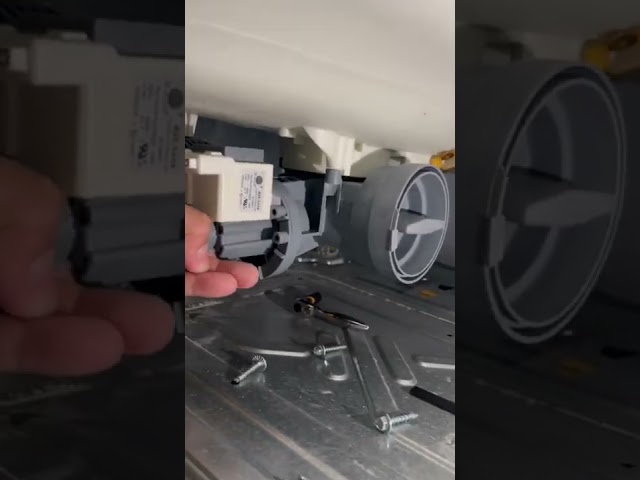
- Faulty Drain Pump: The drain pump is responsible for forcing the water out of the washer. If it’s broken or malfunctioning, it won’t be able to do its job.
- Blocked Drain Pump Filter: Many washers have a filter near the drain pump to catch lint and small objects. If this filter is clogged, it restricts water flow.
- Air Lock in Drain Hose: Sometimes, air can get trapped in the drain hose, creating an “air lock” that prevents water from draining.
- Lid Switch Issues: In some models, if the lid switch isn’t working correctly, the washer might not start the drain cycle.
- Control Board Malfunction: Although less common, a problem with the washer’s control board can cause the drain cycle to fail.
- Too much detergent: HE washers require specific HE detergents that produce fewer suds. Excess suds can trick the machine into thinking it still needs to drain water.
- Overloading the machine: Packing too many clothes into the washer can strain the motor and prevent proper drainage.
Symptoms Checklist
Use this checklist to pinpoint the problem:
- Standing water remains in the washer drum after a cycle.
- You hear a humming or buzzing sound from the washer during the drain cycle, but no water is being pumped out.
- The washer displays an error code related to draining or pump issues.
- The drain hose is kinked or appears damaged.
- The drainpipe is overflowing or draining very slowly.
How to Fix Kenmore HE Washer Won’t Drain Step-by-Step Guide
- Unplug the Washer: For safety, always unplug the washing machine from the power outlet before starting any troubleshooting.
- Inspect the Drain Hose: Locate the drain hose at the back of the washer and check for any kinks, bends, or blockages. Straighten any kinks and make sure the hose isn’t crushed.
- Detach the Drain Hose: Carefully detach the drain hose from both the washer and the drainpipe. Have a bucket ready to catch any remaining water.
- Flush the Drain Hose: Use a garden hose or faucet to flush the drain hose with water, removing any lint, debris, or obstructions.
- Check the Drainpipe: Ensure the drainpipe where the hose connects isn’t clogged. You can use a drain snake or a bent wire hanger to clear any blockages.
- Locate the Drain Pump Filter: Refer to your washer’s owner’s manual to find the location of the drain pump filter. It’s usually at the front, near the bottom of the machine, behind a small access panel.
- Clean the Drain Pump Filter: Open the access panel and carefully remove the drain pump filter. Clean it thoroughly under running water to remove any lint, coins, or other debris.
- Inspect the Drain Pump: With the filter removed, visually inspect the drain pump area for any obstructions, such as socks or small items.
- Check for Air Lock: Reattach the drain hose loosely to the drainpipe. Run a short drain cycle. The loose connection can allow trapped air to escape. Tighten the connection when draining starts.
- Reset the Washer: Many Kenmore washers can be reset by unplugging them for 1-2 minutes and then plugging them back in. This can sometimes clear error codes or resolve minor glitches.
- Run a Drain and Spin Cycle: After completing the above steps, select a drain and spin cycle on your washer and see if it drains properly.
- Reduce Detergent Usage: If you suspect excess suds, run an empty cycle with a cup of white vinegar to help dissolve soap buildup.
- Distribute Clothes Evenly: If you’ve been overloading the washer, try washing smaller loads in the future, ensuring clothes are distributed evenly within the drum.
Fix the Issue Without Buying Parts
Before considering replacement parts, try these free methods:
- Reset the Washer: Unplug the washer for a few minutes and plug it back in. This can sometimes clear errors.
- Regular Cleaning: Clean the drain pump filter and inspect the drain hose regularly to prevent clogs.
- Inspect hoses: Look at all accessible hoses and make sure no are damaged.
- Level the Washer: Make sure your washer is correctly leveled. An unlevel washer can cause draining problems. Use a level and adjust the legs of the washer until it is stable and level.
When Replacement Might Be Necessary
If you’ve tried all the troubleshooting steps and your washer still won’t drain, the drain pump might be faulty and need replacement. Drain pump replacement cost generally range from $80 – $200 for the part plus the cost of installation. A faulty control board may also require replacement, with costs ranging from $150 – $350 plus labor.
Safety Warning
- Always unplug the washer before performing any maintenance or repairs.
- Be careful when handling water, especially near electrical components.
- Avoid overfilling buckets with water to prevent spills and slips.
Tools You May Need
- Bucket
- Pliers
- Screwdrivers (Phillips and flathead)
- Drain snake or bent wire hanger
- Garden hose
- Level
FAQ
Q: My washer makes a humming noise but doesn’t drain. What does that mean?
A: This likely indicates a problem with the drain pump. It could be clogged or faulty.
Q: How often should I clean the drain pump filter?
A: Cleaning the filter every 1-3 months is recommended to prevent clogs.
Q: Can I use regular detergent in my HE washer?
A: No, always use HE (high-efficiency) detergent to avoid excessive suds.
Q: What if the drainpipe is clogged and I can’t clear it?
A: You may need to call a plumber to clear a severely clogged drainpipe.
Conclusion
Troubleshooting a Kenmore HE washer that won’t drain can seem daunting, but by following these steps, you can often resolve the issue yourself. Remember to start with the simplest solutions, such as checking the drain hose and cleaning the filter. If you’ve exhausted all options and your washer still won’t drain, it might be time to call a qualified appliance repair technician. However, with a little patience and effort, you can often get your washer back in working order and avoid costly repairs.
Youtube Video:
Looking for more useful options?
Check out recommended resources that others find helpful.