Introduction
Finding water pooling around your LG washing machine after a cycle is frustrating. A leaking door is a common problem, and ignoring it can lead to water damage in your home, mold growth, and even electrical hazards. Usually, it’s a simple fix, and addressing it quickly prevents further issues and costly repairs. Let’s troubleshoot what’s causing the leak and how you can resolve it.
Common Causes of lg washing machine leaking water from door
Here are some of the most frequent reasons why your LG washing machine might be leaking from the door:
- Overloading the Machine: Putting too many clothes in the washer can prevent the door from sealing properly.
- Detergent Overuse: Too much detergent can create excessive suds that escape through the door.
- Door Seal Damage: Cracks, tears, or debris on the rubber door seal (also called a gasket or bellow) can compromise its ability to create a watertight seal.
- Door Not Closing Properly: The door latch mechanism might be faulty, preventing a tight closure.
- Clogged Drain Line: A blockage in the drain line can cause water to back up and leak out.
- Improper Leveling: If the washing machine isn’t level, water can pool on one side and leak through the door.
- Loose Door Hinges: Over time, the door hinges can loosen, causing the door to sag and the seal to fail.
- Water Pressure Too High: Excessive water pressure coming into the machine can overwhelm the door seal.
Symptoms Checklist
Check these indicators to confirm if you’re dealing with a door leak:
- Water is visibly dripping or pooling from the front of the washing machine door.
- The area around the door seal is wet after a wash cycle.
- You notice a musty odor near the washing machine (indicating potential mold growth from the leak).
- The door seems loose or doesn’t close securely.
- The washing machine is making unusual noises during the spin cycle, potentially due to imbalance.
How to Fix lg washing machine leaking water from door Step-by-Step Guide
Follow these steps to diagnose and fix the leak:
- Unplug the Washing Machine: For safety, disconnect the power cord from the outlet before starting any troubleshooting.
- Inspect the Door Seal (Gasket): Carefully examine the rubber seal around the door opening. Look for cracks, tears, mold, or any debris.
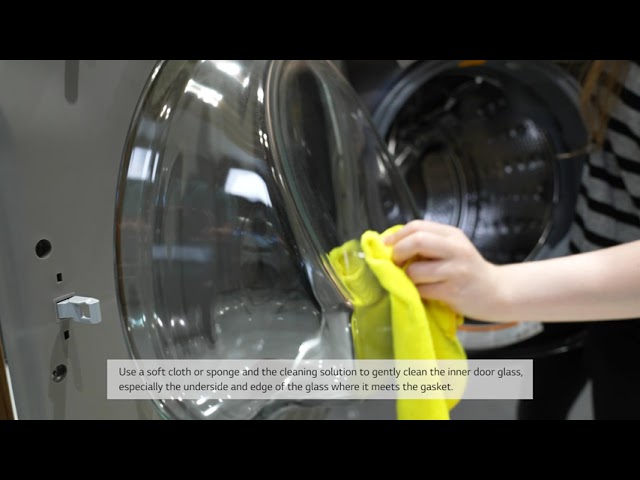
- Clean the Door Seal: Use a damp cloth to clean the entire door seal, removing any dirt, soap residue, or mildew. You can use a mild detergent diluted with water.
- Check for Obstructions: Make sure no clothing items are caught between the door and the seal.
- Level the Washing Machine: Use a level to check if the machine is balanced. Adjust the leveling feet at the bottom of the machine until it’s level.
- Reduce Detergent Usage: Try using less detergent in your next wash cycle. Follow the detergent manufacturer’s recommendations.
- Avoid Overloading: Don’t stuff the washing machine with too many clothes. Leave enough room for the clothes to move freely.
- Check Water Pressure: If you suspect high water pressure, consider installing a pressure regulator on the water supply line to the washing machine.
- Inspect the Door Latch: Make sure the door latch is engaging properly and the door is closing securely. If the latch seems loose or broken, it might need adjustment.
- Run an Empty Test Cycle: After making any adjustments, run an empty wash cycle to see if the leak is resolved. Observe the door carefully during the cycle.
- Check the Drain Hose Connection: Make sure the drain hose is securely connected to the back of the washing machine and the drainpipe. Loose connections can cause leaks.
- Inspect the Drain Hose: Look for any kinks, cracks, or blockages in the drain hose. Straighten any kinks and clear any obstructions.
- Clean the Detergent Dispenser: A clogged detergent dispenser can sometimes contribute to leaks. Remove the dispenser and clean it thoroughly.
Fix the Issue Without Buying Parts
Often, a leaking washing machine door can be fixed without replacing any parts:
- Reset the Machine: Sometimes a simple reset can resolve minor issues. Unplug the machine for 5-10 minutes, then plug it back in.
- Clean the Door Seal Regularly: Make it a habit to clean the door seal after each wash cycle to prevent buildup of soap and debris.
- Inspect the Washer Tub Balance: Ensure the inner tub isn’t wobbling excessively during the spin cycle. Uneven loads cause strain on the seal.
When Replacement Might Be Necessary
If the above steps don’t solve the problem, you might need to replace a part:
- Door Seal Replacement: A badly damaged door seal needs to be replaced. This typically costs between $50 and $150, including the part and labor if you hire a technician.
- Door Latch Replacement: A faulty door latch can prevent a proper seal. This can cost between $30 and $80.
- Hinge Repair or Replacement: If the hinges are severely worn or broken, they should be replaced. Costs can vary depending on the specific model, but generally fall between $40 and $100.
Safety Warning
- Always unplug the washing machine before performing any maintenance or repairs.
- Be careful when working with water and electricity. Avoid standing in puddles.
- If you are uncomfortable performing any of these steps, contact a qualified appliance repair technician.
- Dry any spilled water immediately to prevent slips and falls.
Tools You May Need
- Screwdriver (Phillips and flathead)
- Level
- Pliers
- Adjustable wrench
- Clean cloths
- Mild detergent
FAQ
Here are some frequently asked questions about washing machine door leaks:
- Q: Why is my washing machine leaking only during the spin cycle? A: This often indicates an unbalanced load or a problem with the door seal when subjected to high pressure.
- Q: Can I use bleach to clean the door seal? A: Yes, you can use a diluted bleach solution (1 part bleach to 10 parts water) to kill mold and mildew on the seal, but rinse thoroughly afterwards.
- Q: How often should I clean my washing machine door seal? A: Ideally, clean it after every wash cycle, or at least once a week.
- Q: What if the water is leaking from the bottom of the washing machine instead of the door? A: This could indicate a leak in the drain pump, hoses, or tub. It might be more complex to diagnose and repair.
Conclusion
A leaking washing machine door is a common problem that can often be resolved with simple troubleshooting and maintenance. Before calling a technician, try the steps outlined in this guide. You might be surprised at how easy it is to fix the problem yourself and save money. If you are not comfortable with any of these repairs, please contact a qualified appliance repair technician.
Youtube Video:
Looking for more useful options?
Check out recommended resources that others find helpful.