Introduction
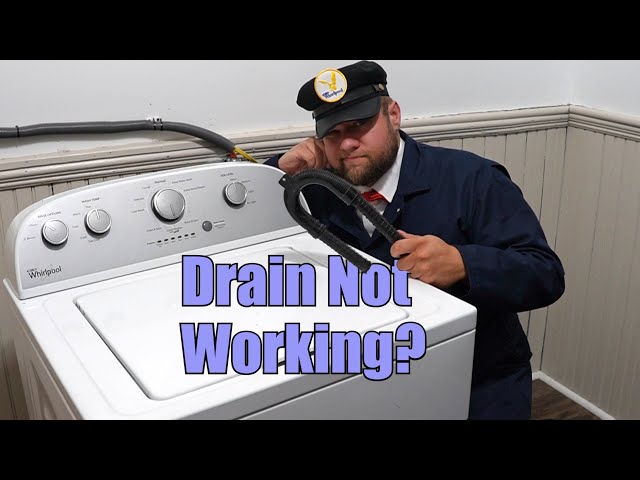
A Whirlpool washer that won’t drain is a common but frustrating problem. Imagine doing laundry, only to find your clothes sitting in a pool of dirty water. This issue not only prevents you from finishing your laundry but can also lead to mold and mildew growth if left unresolved. Addressing this problem quickly is important to prevent further damage to your washer and your home.
Common Causes of Whirlpool Washer Not Draining
Several issues can cause your Whirlpool washer to stop draining properly. Here are some of the most common:
- Clogged Drain Hose: The drain hose can become blocked with lint, small objects, or debris.
- Clogged Drain Pump Filter: The drain pump filter prevents large objects from damaging the pump. It can get clogged.
- Blocked Drain Pump: Small objects like socks or buttons can jam the drain pump impeller (the rotating part).
- Kinked or Blocked Drain Hose: A kink in the drain hose can restrict water flow.
- Faulty Drain Pump: The drain pump itself may be failing or have stopped working entirely.
- Lid Switch Malfunction: In some models, a faulty lid switch prevents the washer from spinning and draining.
- Air Lock in Drain System: Sometimes air gets trapped in the drain system, preventing proper water flow.
- Control Board Issues: In rare cases, a problem with the washer’s control board can prevent it from signaling the drain pump to activate.
Symptoms Checklist
These indicators will help you pinpoint the issue:
- Washer is full of water after the wash cycle.
- Washer makes a humming or buzzing noise but doesn’t drain.
- Washer drains very slowly.
- Washer stops mid-cycle and displays an error code related to draining.
- You see water leaking from the drain hose connection.
- Clothes are soaking wet after the spin cycle.
How to Fix Whirlpool Washer Not Draining Step-by-Step Guide
Follow these steps to troubleshoot your Whirlpool washer:
- Unplug the Washer: For safety, always unplug the washer from the power outlet before starting any repairs.
- Inspect the Drain Hose: Check the drain hose for kinks, bends, or blockages. Straighten any kinks and ensure the hose isn’t crushed.
- Detach the Drain Hose: Carefully detach the drain hose from the drainpipe where it empties. Have a bucket ready to catch any remaining water.
- Check for Clogs in the Drain Hose: Flush the drain hose with water to see if anything is blocking it. You can use a long, flexible object like a garden hose or a plumber’s snake to dislodge any obstructions.
- Locate the Drain Pump Filter: The drain pump filter is usually located at the front, bottom of the washer, behind a small access panel. Consult your owner’s manual for the exact location.
- Drain Remaining Water: Place a shallow pan or towel under the access panel before opening it, as some water will spill out.
- Clean the Drain Pump Filter: Carefully remove the drain pump filter and clean it thoroughly. Remove any lint, hair, coins, or other debris.
- Inspect the Drain Pump Impeller: Shine a flashlight into the drain pump housing. Check the impeller (the rotating part) for any obstructions. You might be able to carefully remove small objects with tweezers or pliers. Important: Do not force the impeller to turn.
- Reassemble the Drain Pump Filter: Once you’ve cleaned the filter and inspected the impeller, reassemble the drain pump filter securely.
- Reconnect the Drain Hose: Reattach the drain hose to the drainpipe, making sure it is securely connected.
- Check the Lid Switch: Some Whirlpool washers have a lid switch that prevents the washer from spinning and draining if the lid is not closed properly. Ensure the lid is closing and latching correctly. Visually inspect the lid switch for damage.
- Check for Air Lock: Sometimes an air lock can prevent draining. Try gently tilting the washing machine forward to see if you can dislodge any trapped air.
- Run a Test Cycle: Plug the washer back in and run a short spin cycle to see if it drains properly.
- Check Error Codes: If your washer displays an error code, consult your owner’s manual to understand the meaning of the code and potential solutions.
Fix the Issue Without Buying Parts
Before considering replacing any parts, try these free methods:
- Reset the Washer: Unplug the washer for 1-2 minutes and then plug it back in. This can sometimes reset the control board and resolve minor issues.
- Deep Cleaning: Run an empty wash cycle with a washing machine cleaner to remove buildup and potential blockages.
- Recalibration (if applicable): Some models have a recalibration cycle. Consult your owner’s manual to see if your model has this feature and how to use it.
- Regular Maintenance: Regularly clean the drain pump filter (every few months) to prevent clogs.
- Avoid Overloading: Don’t overload the washer, as this can strain the drain pump.
When Replacement Might Be Necessary
If you’ve tried all the troubleshooting steps and your washer still isn’t draining, the drain pump itself might be faulty and need replacement. The cost of a replacement drain pump typically ranges from $50 to $150 USD, depending on the model. A faulty lid switch can also prevent draining and may need replacement, with costs ranging from $20-$50. Only consider replacing these parts after exhausting all other troubleshooting options.
Safety Warning
- Always unplug the washer from the power outlet before attempting any repairs.
- Be careful when handling water, as wet floors can be slippery.
- If you are uncomfortable performing any of these repairs, consult a qualified appliance repair technician.
- Avoid using excessive force when removing or reinstalling parts.
Tools You May Need
- Screwdrivers (Phillips and flathead)
- Pliers
- Bucket or shallow pan
- Towels
- Flashlight
- Gloves
- Plumber’s snake or stiff wire (for clearing drain hose)
FAQ
Here are some common questions and answers related to Whirlpool washer draining problems:
- Q: Why is my washer making a humming noise but not draining? A: This often indicates a clogged drain pump or a foreign object stuck in the impeller.
- Q: How often should I clean the drain pump filter? A: It’s recommended to clean the drain pump filter every 2-3 months, or more often if you wash heavily soiled items.
- Q: What if I can’t find the drain pump filter? A: Consult your owner’s manual for the exact location of the drain pump filter on your specific Whirlpool washer model.
- Q: My washer is displaying an “F# E#” error code. What does that mean? A: “F#” and “E#” error codes often indicate drain problems. Consult your user manual for the specific code meaning.
Conclusion
Troubleshooting a Whirlpool washer that won’t drain can seem daunting, but by following these steps, you can often diagnose and fix the problem yourself. Remember to prioritize safety and take your time. If you’ve exhausted all troubleshooting options and still can’t resolve the issue, it’s best to contact a qualified appliance repair technician for assistance. Good luck!
Youtube Video:
Looking for more useful options?
Check out recommended resources that others find helpful.