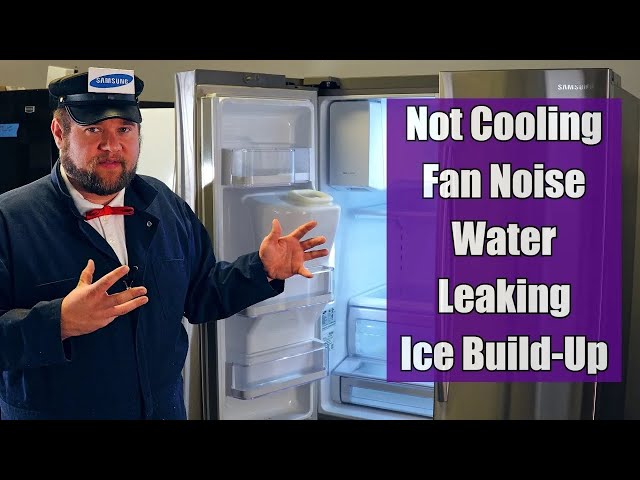
Introduction
Is your Samsung RF20HFENBBC refrigerator not keeping your food cold? A refrigerator that isn’t cooling properly can lead to food spoilage, wasted groceries, and a lot of frustration. Its important to address this issue quickly to prevent food from going bad and avoid potential health risks. Many things can cause this problem, and we’ll walk you through some easy steps to diagnose and potentially fix it yourself.
Common Causes of Samsung RF20HFENBBC Not Cooling
Here are some common reasons why your Samsung RF20HFENBBC might not be cooling effectively:
- Dirty Condenser Coils: Dust and debris on the coils can prevent the refrigerator from releasing heat properly.
- Blocked Vents: Blocked vents inside the refrigerator can restrict airflow, leading to uneven cooling.
- Overloaded Refrigerator: Too much food can block airflow and prevent proper cooling.
- Door Seal Issues: A damaged or dirty door seal can let warm air in, making the refrigerator work harder and struggle to maintain temperature.
- Incorrect Temperature Settings: Sometimes, the temperature settings are accidentally adjusted to a warmer setting.
- Faulty Start Relay: The start relay helps start the compressor. A faulty relay can prevent the compressor from running.
- Defrost System Problems: A malfunctioning defrost system can lead to ice buildup, which reduces cooling efficiency.
- Compressor Issues: The compressor is the heart of the cooling system. If it fails, the refrigerator won’t cool.
Symptoms Checklist
Here are some signs that your Samsung RF20HFENBBC might not be cooling properly:
- The refrigerator compartment feels warmer than usual.
- Food spoils faster than it should.
- The freezer is working fine, but the refrigerator is warm.
- You hear the compressor running constantly without the refrigerator getting colder.
- There’s excessive frost buildup in the freezer.
- The refrigerator’s display panel shows an error code related to cooling.
How to Fix Samsung RF20HFENBBC Not Cooling Step-by-Step Guide
- Check the Temperature Settings: Ensure the refrigerator and freezer are set to the recommended temperatures. Typically, the refrigerator should be around 37F (3C) and the freezer around 0F (-18C).
- Inspect the Door Seals: Check the door seals for any damage, gaps, or dirt. Clean the seals with a damp cloth and mild detergent. You can test the seal by closing the door on a dollar bill. If you can easily pull the bill out, the seal might need replacing.
- Clean the Condenser Coils: Locate the condenser coils (usually on the back or bottom of the refrigerator). Unplug the refrigerator, then use a vacuum cleaner with a brush attachment to remove dust and debris from the coils.
- Check the Air Vents: Make sure the air vents inside the refrigerator and freezer are not blocked by food items. Rearrange the food to allow for proper airflow.
- Defrost the Refrigerator: If there is excessive frost buildup in the freezer, manually defrost the refrigerator. Unplug it, remove all food, and leave the doors open for several hours until the frost melts. Place towels to catch the water.
- Reset the Refrigerator: Try resetting the refrigerator by unplugging it for 10-15 minutes, then plugging it back in. This can sometimes resolve minor issues.
- Check the Condenser Fan: Locate the condenser fan (near the compressor). Make sure it’s not blocked and is spinning freely. If it’s not spinning, it may need to be replaced.
- Listen to the Compressor: The compressor is usually located at the back of the refrigerator. Listen to see if it’s running. If it’s making unusual noises or not running at all, it could be a sign of a problem.
- Check the Start Relay/Overload Protector: (Unplug the fridge first!) The start relay and overload protector are attached to the compressor. Visually inspect them for any signs of damage like burning or cracks. Note: This step is more advanced and requires caution.
- Check the Defrost Timer (if applicable): Some older models have a defrost timer. Locate it and manually advance it to the defrost cycle. If the defrost heater turns on, the timer might be faulty.
- Inspect the Drain Tube: The drain tube carries water away from the defrost system. If it’s clogged, water can freeze and cause cooling problems. Locate the drain tube (usually near the defrost heater) and clear any blockage.
Fix the Issue Without Buying Parts
Before considering replacement parts, try these free methods:
- Reset: Unplug your refrigerator for 15 minutes to reset the system.
- Cleaning: Regularly clean the condenser coils and door seals to improve efficiency.
- Recalibration: Some refrigerators have a recalibration option in the settings. Consult your user manual.
- Inspection Tips: Regularly check the air vents for blockages.
- Maintenance Basics: Avoid overloading the refrigerator and freezer.
When Replacement Might Be Necessary
If you’ve tried all the troubleshooting steps and your refrigerator still isn’t cooling, you may need to consider replacing certain parts or calling a qualified technician. Here are some components that commonly fail:
- Compressor: (Estimated cost: $300 – $600 + labor)
- Start Relay: (Estimated cost: $20 – $50)
- Defrost Heater: (Estimated cost: $50 – $150)
- Defrost Thermostat: (Estimated cost: $20 – $50)
- Control Board: (Estimated cost: $100 – $300)
Safety Warning
- Always unplug the refrigerator before performing any maintenance or repairs.
- Avoid working on the refrigerator if the floor is wet.
- If you’re not comfortable working with electrical components, call a qualified technician.
Tools You May Need
- Screwdrivers (Phillips and flathead)
- Vacuum cleaner with brush attachment
- Damp cloth and mild detergent
- Multimeter (for testing electrical components – optional)
- Pliers
FAQ
Here are some frequently asked questions about refrigerators that aren’t cooling:
-
Q: Why is my freezer cold, but my refrigerator is warm?
A: This is often due to a blocked air vent between the freezer and refrigerator compartments or a faulty damper. -
Q: How often should I clean my refrigerator coils?
A: It’s recommended to clean the condenser coils every 6 months. -
Q: What temperature should I set my refrigerator to?
A: The ideal temperature for a refrigerator is around 37F (3C). -
Q: Why is my refrigerator running constantly?
A: This could be due to dirty condenser coils, a faulty door seal, or an overloaded refrigerator.
Conclusion
Troubleshooting a refrigerator that isn’t cooling can seem daunting, but by following these simple steps, you can often diagnose and fix the problem yourself. Start with the easy checks and move to more complex solutions if needed. Remember, safety is paramount always unplug the refrigerator before performing any maintenance. If you’ve tried everything and your refrigerator still isn’t cooling, it might be time to call a qualified technician. Don’t give up hope, you might be able to extend the life of your appliance!
Youtube Video:
Looking for more useful options?
Check out recommended resources that others find helpful.