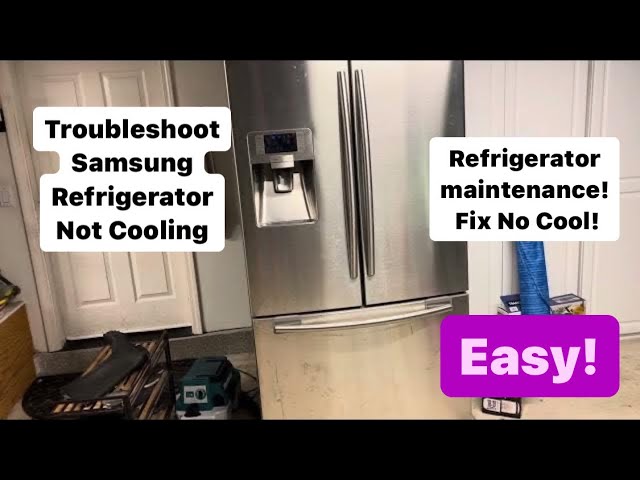
Introduction
Discovering your Samsung RSG5UCRS freezer isn’t freezing can be a frustrating experience. Food spoilage, potential health risks, and the inconvenience of replacing groceries make it a pressing issue. This guide will walk you through common causes, troubleshooting steps, and potential solutions to get your freezer back to its optimal freezing performance. It’s important to address this promptly to prevent food waste and ensure the safety of your stored items.
Common Causes of samsung rsg5ucrs freezer not freezing
Several factors can lead to a freezer not freezing correctly. Here are some common culprits:
- Overloaded Freezer: Packing too many items can restrict airflow, hindering the freezer’s ability to maintain a consistent temperature.
- Door Seal Issues: A damaged or dirty door seal allows warm air to enter, forcing the freezer to work harder and potentially fail to freeze.
- Blocked Air Vents: Obstructions near the air vents inside the freezer can disrupt proper circulation.
- Dirty Condenser Coils: Dust and debris buildup on the condenser coils reduces their efficiency in releasing heat.
- Temperature Setting: An accidentally adjusted or incorrect temperature setting can cause the freezer to malfunction.
- Frost Buildup: Excessive frost accumulation can insulate the freezer compartment, preventing effective cooling.
- Faulty Start Relay: (More advanced) If your compressor isn’t starting, the start relay may be defective.
- Damaged Thermistor: (More advanced) The thermistor senses the temperature and communicates with the control board. A damaged one may be sending incorrect temperature readings.
Symptoms Checklist
These symptoms can help you accurately identify the issue:
- Freezer temperature is above 32F (0C).
- Food items are thawing or not freezing solid.
- Excessive frost buildup on the freezer walls.
- The refrigerator section is working normally, but the freezer isn’t.
- You hear the compressor running, but the freezer isn’t cooling.
- The freezer door doesn’t seal tightly.
- Water pooling at the bottom of the freezer compartment.
How to Fix samsung rsg5ucrs freezer not freezing Step-by-Step Guide
Follow these steps to troubleshoot your Samsung RSG5UCRS freezer:
- Check the Temperature Setting: Ensure the freezer temperature is set to the recommended setting (usually around 0F or -18C).
- Inspect the Door Seal: Check the door seal for damage, cracks, or debris. Clean the seal with a damp cloth and mild soap. Ensure it seals properly when the door is closed.
- Avoid Overloading: Remove excess items to allow for proper airflow. Make sure items are not blocking the air vents.
- Locate and Clear Air Vents: Identify the air vents inside the freezer and refrigerator compartments. Remove any obstructions that might be blocking airflow.
- Clean the Condenser Coils: Locate the condenser coils (usually at the back or bottom of the refrigerator). Unplug the refrigerator and use a vacuum cleaner or brush to remove dust and debris from the coils.
- Manually Defrost the Freezer: If there’s excessive frost buildup, manually defrost the freezer by unplugging it and leaving the door open for several hours. Place towels to absorb melting ice.
- Check the Evaporator Fan: (More advanced) If you can access the evaporator fan (usually behind a panel in the freezer), make sure it’s running smoothly. If it’s blocked by ice, clear the ice. If it’s not running at all, it may be faulty.
- Listen to the Compressor: The compressor is usually located at the back of the refrigerator. Listen to hear if it’s running. If not, it can point to further advanced issues.
- Give it Time to Recover: After making adjustments or defrosting, allow the freezer 24 hours to reach its optimal temperature.
- Check for Error Codes: Some Samsung refrigerators display error codes on the control panel. Consult your user manual for the meaning of the code and possible solutions.
- Power Cycle the Refrigerator: Unplug the refrigerator from the power outlet for 5 minutes, then plug it back in. This can sometimes reset the control board and resolve minor issues.
Fix the Issue Without Buying Parts
Before considering replacements, try these methods:
- Reset: Unplug the refrigerator for 5 minutes and plug it back in.
- Cleaning: Regularly clean the door seals and condenser coils.
- Recalibration: Some models allow temperature recalibration through the control panel. Consult your user manual.
- Inspection: Check for obstructions blocking airflow.
- Maintenance: Avoid overcrowding the freezer.
When Replacement Might Be Necessary
If the above steps don’t resolve the issue, component failure is possible. Commonly failing parts include the start relay (estimated $50-$100), the thermistor ($30-$70), or the compressor ($200-$500 + labor). It’s recommended to consult with a qualified appliance repair technician to diagnose the exact problem before replacing any parts.
Safety Warning
- Always unplug the refrigerator from the power outlet before performing any maintenance or repairs.
- Avoid working on electrical components if you are not comfortable or experienced.
- Be careful when handling sharp tools or components.
- Wipe up any spilled water or ice to prevent slips and falls.
- Do not use excessive force when removing panels or components.
Tools You May Need
- Screwdrivers (Phillips and flathead)
- Vacuum cleaner with brush attachment
- Damp cloth and mild soap
- Towel
FAQ
Here are some frequently asked questions:
- Q: Why is my freezer cold but not freezing? A: This can be caused by a dirty condenser coil, a blocked air vent, or an overloaded freezer.
- Q: How often should I clean the condenser coils? A: It’s recommended to clean the condenser coils every 6 months.
- Q: How long does it take for a freezer to freeze after being unplugged? A: It usually takes about 24 hours for a freezer to reach its optimal temperature after being unplugged.
- Q: What is the ideal temperature for my freezer? A: The ideal temperature for a freezer is around 0F (-18C).
- Q: Can a dirty door seal cause my freezer not to freeze? A: Yes, a dirty or damaged door seal can allow warm air to enter, causing the freezer to struggle to maintain its temperature.
Conclusion
Troubleshooting a freezer that’s not freezing can seem daunting, but by following these steps, you can often identify and resolve the issue yourself. Remember to start with the simple solutions first, like checking the temperature setting and cleaning the condenser coils. If you’ve exhausted all the troubleshooting steps and your Samsung RSG5UCRS freezer is still not freezing, it might be time to call a qualified appliance repair technician for further assistance. Good luck!
Youtube Video:
Looking for more useful options?
Check out recommended resources that others find helpful.