Introduction
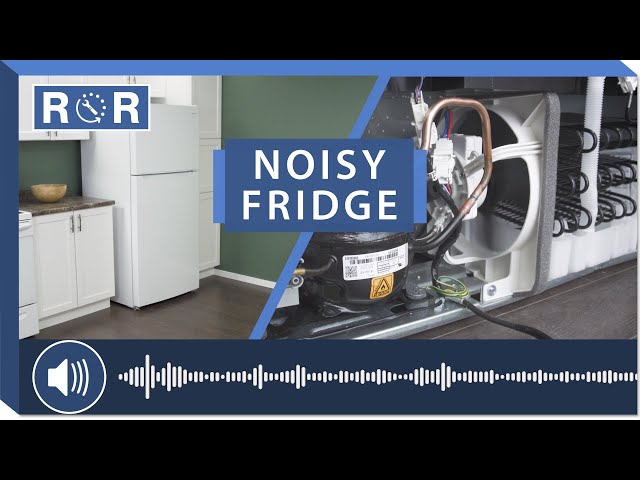
Hearing a loud bang, clunk, or thumping sound coming from your refrigerator immediately after the compressor stops running is a common issue that many homeowners experience. While it might seem alarming, it doesn’t always signify a major breakdown. This noise usually stems from the sudden pressure changes within the refrigerator’s system or issues with internal components. Ignoring it, however, could lead to further damage and potentially shorten the lifespan of your appliance. Addressing the problem promptly can save you money on costly repairs or replacements down the line.
Common Causes of Refrigerator Loud Noise When Compressor Stops
Here are several possible causes for the loud noise you hear when your refrigerator’s compressor stops:
- Pressure Equalization: When the compressor shuts off, the pressure within the refrigerant lines needs to equalize. This sudden shift in pressure can sometimes cause a loud “thump” or “clunk.”
- Check Valve Issues: Some refrigerators have a check valve in the compressor circuit. If this valve is failing, it can create a loud noise as it snaps shut when the compressor stops.
- Defrost System Issues: Problems within the defrost timer or defrost heater can cause loud noises as the system cycles on and off, especially after the compressor has stopped.
- Loose Components: Components like the compressor itself, refrigerant lines, or the condenser fan can become loose over time. When the compressor stops, the sudden jolt can cause these loose parts to vibrate and create noise.
- Ice Maker Problems: If your refrigerator has an ice maker, a stuck or malfunctioning water valve can create a loud noise when it attempts to shut off after the compressor stops.
- Relay Switch: The compressor relay switch that controls the compressor turning on and off may be failing.
- Start Capacitor: The start capacitor gives the compressor the initial boost it needs to start. When the start capacitor is failing, the compressor may make a loud noise on shutdown.
Symptoms Checklist
Use this checklist to help pinpoint the cause of the noise:
- Is the noise a distinct bang, clunk, thump, or vibration?
- Does the noise occur immediately after the compressor shuts off?
- Is the noise getting louder over time?
- Does the refrigerator still cool effectively?
- Do you notice any unusual frost buildup in the freezer?
- Does the noise seem to be coming from the back, bottom, or inside the refrigerator?
- Is the refrigerator level?
How to Fix Refrigerator Loud Noise When Compressor Stops Step-by-Step Guide
Follow these steps to troubleshoot the loud noise:
- Unplug the Refrigerator: Before you begin any troubleshooting, unplug the refrigerator from the power outlet to prevent electrical shock.
- Listen Carefully: After plugging back in and letting the compressor stop again, pinpoint the area the noise is coming from.
- Check for Loose Components: Inspect the back of the refrigerator, focusing on the compressor, refrigerant lines, and condenser fan. Gently touch these components to see if any are loose or vibrating. Tighten any loose screws or secure any wobbly parts with zip ties or rubber shims.
- Inspect the Condenser Fan: Make sure the condenser fan is free of debris and spins smoothly. Clean any dust or obstructions that might be causing it to vibrate.
- Check the Defrost Timer: Locate the defrost timer (usually behind the refrigerator or inside the control panel). Manually advance the timer to the defrost cycle and listen for any unusual noises. A faulty defrost timer might need professional attention.
- Inspect for Ice Buildup: Check the freezer for excessive ice buildup, especially around the evaporator coils. Excessive ice can interfere with the defrost cycle and cause loud noises.
- Level the Refrigerator: An unlevel refrigerator can cause stress on the compressor and other components. Use a level to ensure the refrigerator is sitting evenly. Adjust the leveling feet as needed.
- Clean the Condenser Coils: Dirty condenser coils can cause the compressor to work harder, leading to noisy operation. Use a vacuum cleaner with a brush attachment to clean the coils.
- Ice Maker: If equipped with an ice maker, turn it off to see if this helps quiet down the shut off noise.
Fix the Issue Without Buying Parts
Here are some things you can try before considering replacement parts:
- Reset the Refrigerator: Unplug the refrigerator for 10-15 minutes and then plug it back in. This can sometimes reset the system and resolve minor issues.
- Deep Clean: Thoroughly clean the inside of the refrigerator and freezer, removing any items that might be causing vibrations or obstructions.
- Routine Maintenance: Regularly clean the condenser coils and check for loose components to prevent future noise issues.
When Replacement Might Be Necessary
If you’ve tried all the troubleshooting steps and the noise persists, some components might need replacement. A failing compressor relay ($20-$50 USD), a faulty check valve ($30-$70 USD), or a defective defrost timer ($40-$80 USD) are common culprits. While replacing these parts yourself is possible, it’s often best to consult with a qualified appliance repair technician. Compressor replacements are complex and typically require specialized tools and knowledge.
Safety Warning
- Always unplug the refrigerator before attempting any repairs.
- Avoid working on electrical components with wet hands or on a wet floor.
- If you are not comfortable working with electrical or mechanical components, consult a qualified technician.
- Be careful when handling sharp objects or tools.
Tools You May Need
- Screwdrivers (Phillips and flathead)
- Adjustable wrench
- Vacuum cleaner with brush attachment
- Level
- Zip ties
- Rubber shims
FAQ
Here are some frequently asked questions:
- Q: Why is my refrigerator making a loud noise only when it shuts off? A: This is often due to pressure equalization or loose components.
- Q: Is it safe to ignore the loud noise? A: While it might not always be an immediate danger, ignoring the noise can lead to further damage.
- Q: How often should I clean the condenser coils? A: At least every 6 months, or more frequently if you have pets.
- Q: When should I call a professional? A: If you are uncomfortable working with electrical or mechanical components, or if the noise persists after trying the troubleshooting steps.
Conclusion
A loud noise coming from your refrigerator when the compressor stops can be unsettling, but with a little troubleshooting, you can often identify and resolve the issue yourself. By following the steps in this guide, you can save yourself the cost of unnecessary repairs and ensure your refrigerator continues to run smoothly. However, if you’re not comfortable tackling the repairs yourself, don’t hesitate to call a qualified appliance repair technician.
Youtube Video:
Looking for more useful options?
Check out recommended resources that others find helpful.