Introduction
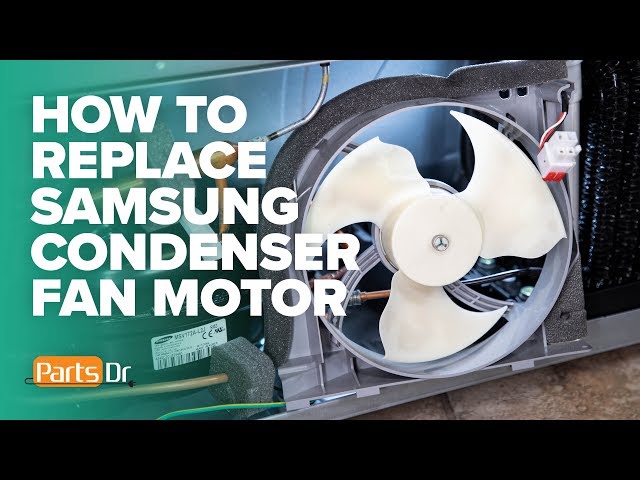
Is your Samsung refrigerator struggling to keep things cold? One common culprit behind cooling problems is a condenser fan that isn’t working. The condenser fan is located near the compressor at the back or bottom of your refrigerator and it’s vital for removing heat from the refrigerant. When this fan stops running, the refrigerator can overheat, leading to food spoilage and potential damage to your appliance. Identifying and addressing a faulty condenser fan quickly can save you money and prevent a major appliance repair bill. This guide will walk you through troubleshooting steps in plain language.
Common Causes of Samsung Refrigerator Condenser Fan Not Running
Here are some of the most frequent reasons why your Samsung refrigerator condenser fan might not be running:
- Fan Obstruction: The fan blades can be blocked by dust, debris, or even small objects that have fallen behind the fridge.
- Dirty Condenser Coils: Dust buildup on the condenser coils makes the fan work harder and can eventually cause it to fail or stop completely.
- Faulty Fan Motor: The motor itself might be burned out or malfunctioning. This is a more serious issue requiring replacement of the motor.
- Wiring Issues: Loose or damaged wiring connecting the fan to the power source can prevent it from running.
- Start Capacitor Failure: Some models use a capacitor to help start the fan motor. If the capacitor is bad, the fan may not start.
- Control Board Malfunction: In some cases, the main control board that regulates the fan’s operation may be defective.
- Overload Protector Tripped: The overload protector is a safety device that cuts power to the fan if it gets too hot. It may have tripped and needs to be reset (though repeated tripping indicates a bigger problem).
- Ice Buildup: In refrigerators with auto-defrost issues, ice can form and block the fan blades.
Symptoms Checklist
Confirm the issue by checking for these symptoms:
- Refrigerator is not cooling properly, especially the freezer.
- You can hear the compressor running, but the refrigerator feels warm inside.
- The back of the refrigerator feels excessively hot.
- You don’t hear the condenser fan running when the compressor is on.
- Unusual noises (clicking, buzzing) coming from the back of the refrigerator.
- Error codes related to fan or cooling issues displayed on the refrigerator panel (check your manual).
How to Fix Samsung Refrigerator Condenser Fan Not Running Step-by-Step Guide
Follow these steps to diagnose and (hopefully) fix the issue:
- Unplug the Refrigerator: Safety first! Disconnect the power cord from the outlet before starting any troubleshooting.
- Locate the Condenser Fan: It’s typically behind an access panel at the back or bottom of the refrigerator near the compressor. Refer to your refrigerator’s manual if you’re unsure.
- Remove the Access Panel: Use a screwdriver to remove the screws holding the access panel in place.
- Visually Inspect the Fan: Check for any obvious obstructions like dust, pet hair, or debris blocking the fan blades.
- Manually Rotate the Fan Blades: Gently try to spin the fan blades with your finger. They should move freely. If they are stiff or stuck, clean them thoroughly.
- Clean the Fan and Condenser Coils: Use a vacuum cleaner with a brush attachment to remove dust from the fan blades, motor, and condenser coils. Be gentle to avoid damaging any components.
- Check for Wiring Issues: Inspect the wires connecting to the fan motor for any signs of damage, loose connections, or corrosion. Gently wiggle the wires to see if they are secure.
- Reset Overload Protector: Some older refrigerators have a reset button on the overload protector (a small device near the compressor). Press it to reset. If it trips again soon after, it is a sign of an underlying problem.
- Check the Voltage (Advanced, Proceed with Caution): If you have a multimeter and know how to use it safely, check the voltage going to the fan motor while the refrigerator is running. You should be getting the voltage specified on the motor label. If not, the control board may be the issue. Warning: Working with electricity can be dangerous. If you are not comfortable with this step, skip it and consult a qualified technician.
- Listen Carefully When Plugging it Back in: After cleaning and inspecting, plug the refrigerator back in and listen carefully to see if the fan starts running.
- Monitor Cooling Performance: Give the refrigerator a few hours to cool down and monitor the temperature inside both the refrigerator and freezer compartments.
Fix the Issue Without Buying Parts
Often, the problem is simply a dirty or obstructed fan. Regularly cleaning the condenser coils (every 6 months) can prevent this. Also, ensure proper ventilation around the refrigerator (leave a few inches of space on all sides) to allow heat to dissipate effectively.
When Replacement Might Be Necessary
If cleaning and inspection don’t solve the problem, the condenser fan motor itself might be faulty. Replacing the motor is usually the next step. A replacement motor can cost between $50 and $150 USD, depending on the model. The start capacitor is another possible point of failure and is much cheaper to replace (around $10-$30 USD). If the control board is faulty, replacement can cost $100-$300 USD, and it is usually best left to a professional technician.
Safety Warning
- Always unplug the refrigerator before working on any electrical components.
- Avoid working on the refrigerator while standing on a wet floor.
- Be careful when handling sharp tools or components.
- If you are not comfortable working with electricity, consult a qualified technician.
Tools You May Need
- Screwdriver (Phillips and flathead)
- Vacuum cleaner with brush attachment
- Multimeter (optional, for voltage testing)
- Gloves
FAQ
Q: How do I know if my condenser fan is bad?
A: If the refrigerator isn’t cooling properly, the compressor is running but the fan isn’t, and you’ve already checked for obstructions, the fan motor is likely the problem.
Q: How often should I clean the condenser coils?
A: It’s recommended to clean them every 6 months to ensure efficient operation.
Q: Can I use a regular vacuum cleaner to clean the coils?
A: Yes, but use a brush attachment to avoid damaging the coils. A specialized condenser coil brush is even better.
Q: Is it safe to touch the condenser coils?
A: It’s best to avoid touching them when the refrigerator is running, as they can get hot. Always unplug the refrigerator before cleaning.
Conclusion
Troubleshooting a Samsung refrigerator condenser fan issue can often be resolved with simple cleaning and inspection. By following these steps, you can potentially save money and avoid a costly repair bill. If you’ve exhausted all DIY options and the problem persists, it’s best to consult a qualified appliance repair technician for further assistance.
Youtube Video:
Looking for more useful options?
Check out recommended resources that others find helpful.