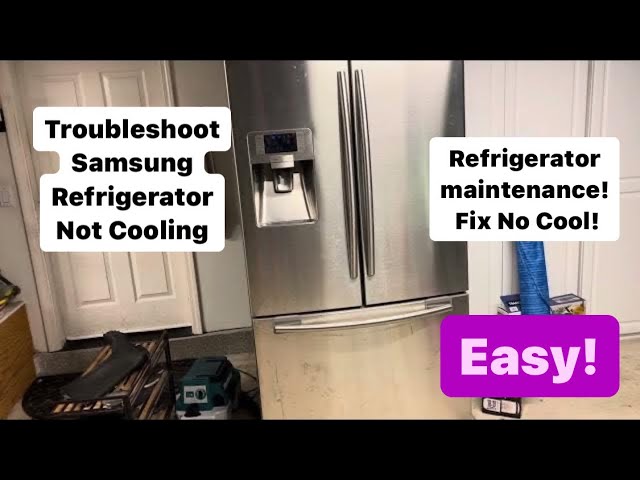
Introduction
Discovering your Samsung French Door refrigerator freezer isn’t cooling properly can be incredibly frustrating. It means potentially spoiled food, wasted money, and the inconvenience of dealing with a malfunctioning appliance. This problem often arises after a power outage, a recent move, or simply without warning. Addressing this quickly is important to prevent further food spoilage and potential damage to your refrigerator.
Common Causes of samsung french door refrigerator freezer not cooling
Here are several common reasons why your Samsung French Door refrigerator freezer might not be cooling effectively:
- Dirty Condenser Coils: Dust and debris on the coils prevent heat from dissipating properly.
- Blocked Vents: Items in the freezer or refrigerator might be blocking the airflow vents that circulate cold air.
- Faulty Door Seals: Damaged or dirty door seals allow warm air to enter, affecting cooling.
- Overloaded Refrigerator: Packing too much food inside restricts airflow and cooling efficiency.
- Incorrect Temperature Settings: The thermostat might be set too high.
- Icemaker Issues: A malfunctioning icemaker can sometimes affect the freezer’s cooling performance.
- Defrost System Malfunction: A problem with the defrost heater, timer, or thermostat can lead to ice buildup and reduced cooling.
- Compressor Problems: Though less common, a failing compressor struggles to circulate refrigerant effectively.
Symptoms Checklist
Use this checklist to confirm the cooling issue:
- Freezer temperature is above 32F (0C).
- Refrigerator temperature is above 40F (4C).
- Food is spoiling faster than usual.
- Ice cream is melting or soft.
- You hear the compressor running, but the refrigerator isn’t cooling.
- Ice buildup is present in the freezer.
- Condensation is forming inside the refrigerator.
How to Fix samsung french door refrigerator freezer not cooling Step-by-Step Guide
Follow these steps to troubleshoot the cooling problem:
- Check the Power Supply: Make sure the refrigerator is plugged in securely and the outlet is working. Test the outlet with another appliance.
- Examine the Temperature Settings: Ensure the temperature controls are set to the appropriate levels (usually around 37F/3C for the refrigerator and 0F/-18C for the freezer).
- Inspect Door Seals: Clean the door seals with warm, soapy water and check for any tears or damage. A dollar bill test (closing the door on a dollar bill; it should resist being pulled out) can help identify leaks.
- Clean the Condenser Coils: Locate the condenser coils (usually at the back or bottom of the refrigerator) and clean them with a vacuum cleaner brush attachment. Do this every 6 months.
- Clear Air Vents: Make sure that the vents inside the freezer and refrigerator compartments are not blocked by food items.
- Defrost the Freezer Manually: If there is excessive ice buildup, manually defrost the freezer. Unplug the refrigerator and leave the freezer door open for several hours. Place towels to absorb the water.
- Check the Defrost Drain: Locate the defrost drain (usually at the back of the freezer) and ensure it is not clogged. Use a pipe cleaner or warm water to clear any blockages.
- Reset the Refrigerator: Unplug the refrigerator for 10-15 minutes and then plug it back in. This can sometimes reset the system and resolve minor issues.
- Ensure Proper Ventilation: Make sure the refrigerator has adequate space around it for proper ventilation (at least a few inches on all sides).
- Avoid Overloading: Do not overfill the refrigerator or freezer, as this can restrict airflow.
- Listen to the Compressor: The compressor is usually located at the back of the refrigerator. Listen to see if it is running. If it is not running or sounds unusual, there could be a compressor issue.
Fix the Issue Without Buying Parts
Many cooling problems can be resolved without replacing parts:
- Reset the Refrigerator: Unplugging and re-plugging the refrigerator can sometimes reset the system.
- Deep Cleaning: A thorough cleaning of the refrigerator, including the condenser coils, door seals, and vents, can significantly improve cooling.
- Recalibration: Some models have a recalibration setting in the menu. Consult your owner’s manual.
- Regular Inspections: Regularly inspect the door seals, vents, and condenser coils to catch potential problems early.
- Proper Maintenance: Consistent cleaning and avoiding overloading can prevent many cooling issues.
When Replacement Might Be Necessary
If the troubleshooting steps above don’t resolve the issue, a component may be failing. A new compressor is a costly repair, ranging from $300-$700 including labor. Other parts that commonly fail and may require replacement include:
- Defrost Heater: ~$50-$150 (including labor)
- Defrost Thermostat: ~$30-$100 (including labor)
- Main Control Board: ~$100-$300 (including labor)
Consider the age and overall condition of your refrigerator before investing in expensive repairs. A very old unit might be due for replacement.
Safety Warning
- Always unplug the refrigerator before performing any maintenance or repairs.
- Avoid working on electrical components with wet hands or on wet floors.
- If you are not comfortable performing a repair, contact a qualified appliance technician.
- Do not attempt to repair refrigerant lines yourself, as this requires specialized equipment and training.
Tools You May Need
Here’s a list of tools that might be helpful:
- Screwdrivers (Phillips and flathead)
- Vacuum cleaner with brush attachment
- Warm water and mild soap
- Clean cloth or sponge
- Pipe cleaner
- Multimeter (for testing electrical components – advanced)
FAQ
Here are some frequently asked questions about refrigerators not cooling:
-
Q: Why is my freezer cold, but the refrigerator is warm?
A: This could be due to a blocked air vent between the freezer and refrigerator compartments. Check for obstructions.
-
Q: How often should I clean the condenser coils?
A: Ideally, clean the condenser coils every six months to maintain optimal cooling efficiency.
-
Q: Can overloading the refrigerator cause it to stop cooling?
A: Yes, overloading the refrigerator restricts airflow, making it difficult for the unit to maintain the correct temperature.
-
Q: What does it mean if I hear the compressor running constantly?
A: A compressor running constantly could indicate a problem with the defrost system or a refrigerant leak. Call a technician.
Conclusion
Troubleshooting a Samsung French Door refrigerator freezer that is not cooling can be a straightforward process if you follow these steps. Start with the simple checks and cleaning, and progressively move toward more complex issues. By systematically addressing each potential cause, you may be able to restore your refrigerator’s cooling performance yourself. If you’re unable to resolve the issue, don’t hesitate to contact a qualified appliance technician for assistance.
Youtube Video:
Looking for more useful options?
Check out recommended resources that others find helpful.