Introduction
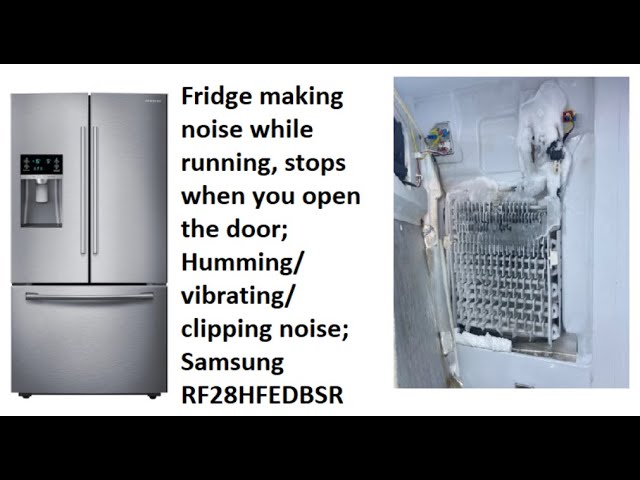
Hearing strange noises coming from your Samsung refrigerator, especially right after you close the door, can be unsettling. This isn’t just an annoying sound; it often indicates a potential problem with your refrigerator’s functionality. Ignoring these noises can lead to bigger, more expensive repairs down the line, or even food spoilage if the fridge isn’t cooling properly. These noises commonly occur due to pressure imbalances, ice buildup, or issues with the refrigerator’s internal components. Addressing this issue promptly ensures your fridge operates efficiently and protects your food.
Common Causes of Samsung Refrigerator Making Noise When Door Is Closed
Here are some of the most common reasons why your Samsung refrigerator might be making noise when the door is closed:
- Pressure Imbalance: When you close the door, the refrigerator tries to equalize the air pressure. This can sometimes cause a whooshing or popping sound.
- Ice Buildup: Ice accumulating around the fan or on the evaporator coils can cause scraping or rattling noises, especially after the door is shut and the cooling process restarts.
- Fan Motor Issues: The condenser fan or evaporator fan motors might be wearing out, causing them to make grinding or whirring noises.
- Damper Control Problems: The damper controls airflow between the freezer and the refrigerator. If it’s malfunctioning, it can cause clicking or flapping sounds.
- Defrost System Malfunction: If the defrost system isn’t working correctly, ice can build up and cause various noises as the system tries to compensate.
- Water Valve Issues: If your refrigerator has an ice maker or water dispenser, the water valve might be making a buzzing or humming sound, especially right after the door is closed when the system might be refilling.
- Drain Pan Vibrations: The drain pan, which collects water from the defrost cycle, might be loose or vibrating against other components.
- Compressor Start-Up: The compressor, responsible for cooling, can make a brief humming or buzzing sound when it starts up after the door is closed.
Symptoms Checklist
Use this checklist to identify the issue more accurately:
- The noise occurs immediately after closing the refrigerator door.
- The noise is a whooshing, popping, grinding, rattling, buzzing, or humming sound.
- You notice ice buildup inside the freezer or on the back wall of the refrigerator.
- The refrigerator seems to be running more frequently than usual.
- The temperature inside the refrigerator or freezer is not consistent.
- The noise changes in intensity or frequency over time.
- The water dispenser or ice maker is not working correctly.
How to Fix Samsung Refrigerator Making Noise When Door Is Closed Step-by-Step Guide
Follow these steps to troubleshoot the noise problem:
- Unplug the Refrigerator: Always disconnect the refrigerator from the power outlet before starting any repairs. This is a crucial safety step.
- Inspect the Door Seals: Check the rubber seals around the refrigerator door. Make sure they are clean, intact, and create a tight seal. Clean them with warm, soapy water if necessary.
- Check for Ice Buildup: Examine the inside of the freezer for excessive ice buildup, particularly around the fan and on the back wall.
- Manually Defrost the Refrigerator: If you find ice buildup, manually defrost the refrigerator by turning it off and leaving the door open for several hours. Place towels inside to catch any melting ice.
- Inspect the Fan Blades: Once defrosted, check the fan blades for obstructions. Make sure they can spin freely without hitting anything.
- Locate the Condenser Fan: The condenser fan is usually located at the back of the refrigerator, near the bottom.
- Clean the Condenser Fan Blades: Use a brush or vacuum to remove any dust or debris from the condenser fan blades.
- Inspect the Drain Pan: Locate the drain pan (usually under the refrigerator) and ensure it’s properly positioned and not vibrating against anything. Empty the drain pan if it’s full.
- Listen to the Compressor: After plugging the refrigerator back in, listen to the compressor. If it’s making unusually loud or rattling noises, it might indicate a problem with the compressor itself.
- Reset the Refrigerator: Some Samsung refrigerators have a reset function. Refer to your owner’s manual for instructions on how to reset your specific model.
- Check the Damper Control: Locate the damper control (usually inside the refrigerator, near the top) and ensure it’s opening and closing smoothly.
- Monitor for a Few Days: After performing these steps, monitor the refrigerator for a few days to see if the noise has subsided.
Fix the Issue Without Buying Parts
Many refrigerator noises can be resolved without buying new parts:
- Reset: Try unplugging the refrigerator for 30 minutes, then plugging it back in. This can sometimes reset the system and resolve minor issues.
- Cleaning: Regularly clean the condenser coils, fan blades, and door seals to prevent dust and debris buildup.
- Inspection: Check for loose items inside the refrigerator that might be vibrating or rattling.
- Maintenance: Ensure the refrigerator is level to prevent vibrations and noises.
When Replacement Might Be Necessary
If the noise persists after troubleshooting, or if you notice significant cooling issues, certain parts might need replacement:
- Fan Motors: If the fan motors are worn out, they will need to be replaced. Estimated cost: $50-$150 per motor.
- Compressor: A faulty compressor is a major repair. Estimated cost: $200-$500.
- Damper Control: If the damper control is malfunctioning, replacing it can resolve airflow issues. Estimated cost: $30-$80.
Safety Warning
Always prioritize safety when working with electrical appliances:
- Unplug the refrigerator before starting any repairs.
- Avoid working on the refrigerator while standing on a wet floor.
- Be careful when handling sharp tools or components.
Tools You May Need
Here’s a list of tools that might be helpful for troubleshooting:
- Screwdrivers (Phillips and flathead)
- Brush or vacuum cleaner
- Warm, soapy water and a cloth
- Towel
FAQ
Here are some frequently asked questions:
- Q: Why does my refrigerator make a popping noise after closing the door?
- A: This is often due to pressure equalization inside the refrigerator.
- Q: How often should I clean the condenser coils?
- A: It’s recommended to clean the condenser coils every 6 months.
- Q: Can ice buildup cause the refrigerator to make noise?
- A: Yes, ice buildup can cause rattling or scraping noises.
- Q: What should I do if the compressor is making a loud buzzing noise?
- A: Contact a qualified technician, as this could indicate a serious problem.
Conclusion
Troubleshooting a noisy refrigerator can seem daunting, but by following these steps, you can often identify and resolve the issue yourself. Start with the simple checks like cleaning and defrosting, and work your way through the more complex components. Remember to prioritize safety and consult your refrigerator’s manual for specific instructions. If the problem persists, don’t hesitate to contact a qualified appliance technician for professional assistance. Addressing these noises early can prevent more costly repairs and keep your refrigerator running efficiently.
Youtube Video:
Looking for more useful options?
Check out recommended resources that others find helpful.