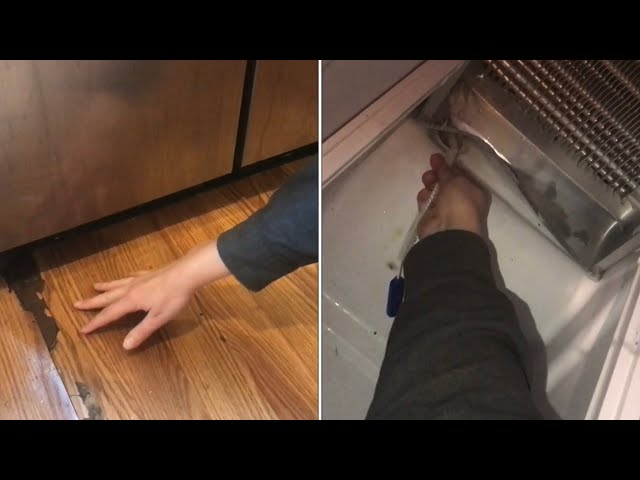
Introduction
Finding water leaking from your Samsung RS25J500DSR refrigerator can be a frustrating experience. Not only can it damage your floors, but it also indicates a problem that could potentially lead to more serious issues down the line. This guide is designed to help you, the homeowner, troubleshoot and resolve the water leak without needing specialized tools or prior experience. Addressing this leak promptly is important to prevent mold growth and further damage to your kitchen.
Common Causes of Samsung RS25J500DSR Leaking Water
Several factors can contribute to water leaking from your refrigerator. Here are some of the most common:
- Clogged Defrost Drain: Ice buildup can block the drain that channels water away during the defrost cycle.
- Frozen Water Line: If the water line to your ice maker is frozen, it can eventually burst or leak as it thaws.
- Loose Water Line Connection: Connections can loosen over time, leading to drips and leaks.
- Faulty Water Inlet Valve: This valve controls the water flow to the ice maker and water dispenser; if it’s cracked or malfunctioning, it may leak.
- Cracked or Damaged Water Filter Housing: The plastic housing around the water filter can become brittle and crack, especially when replacing the filter.
- High Water Pressure: Excessive water pressure can overwhelm the system and cause leaks at various points.
- Damaged or Worn Door Seals: A faulty door seal lets warm air inside, causing condensation that can lead to water accumulation and leaks.
- Overfilled Drain Pan: The drain pan, which collects defrost water, might be full and overflowing.
Symptoms Checklist
Use this checklist to confirm that you are experiencing a water leak issue and to potentially pinpoint the source:
- Puddle of water on the floor in front of the refrigerator.
- Water stains on the floor or walls around the refrigerator.
- Ice buildup in the freezer, particularly around the back panel.
- Water dripping from the ice maker or water dispenser.
- Unusual noises coming from the refrigerator, such as gurgling or running water sounds.
- Visible moisture or frost inside the refrigerator compartment.
How to Fix Samsung RS25J500DSR Leaking Water Step-by-Step Guide
Follow these steps to troubleshoot and fix your refrigerator’s water leak:
- Unplug the Refrigerator: Safety first! Disconnect the refrigerator from the power outlet to avoid electrical shock.
- Locate the Water Source: Carefully examine the areas mentioned in the “Symptoms Checklist” to determine where the water is coming from.
- Check the Defrost Drain: Open the freezer and locate the rear panel. Often, ice buildup here indicates a clogged drain.
- Melt Ice Buildup: Use a hair dryer (on a low setting) to carefully melt any ice obstructing the drain. Alternatively, pour warm water down the drain.
- Clear the Drain: Use a long, flexible object like a pipe cleaner or coat hanger (straightened) to clear any debris from the drain. Be gentle to avoid damaging the drain tube.
- Inspect Water Line Connections: Locate the water line at the back of the refrigerator. Check connections for tightness and signs of leaks. Tighten connections as needed.
- Check Water Filter Housing: Examine the water filter housing for cracks or damage. If you recently replaced the filter, make sure it’s properly installed.
- Inspect the Door Seals: Carefully examine the rubber seals around both the refrigerator and freezer doors. Look for tears, cracks, or gaps.
- Clean the Condenser Coils: Dust and debris on the condenser coils can reduce efficiency and lead to condensation. Clean them with a vacuum cleaner brush attachment.
- Check the Drain Pan: Locate the drain pan (usually at the bottom of the refrigerator, near the front). Empty it if it’s full. Ensure it’s properly positioned.
- Reduce Water Pressure: If you suspect high water pressure, consider installing a pressure regulator on your home’s water line.
- Level the Refrigerator: Ensure the refrigerator is level. Use a level tool and adjust the feet at the bottom of the refrigerator as necessary.
- Plug the Refrigerator Back In: Once you’ve addressed the potential causes, plug the refrigerator back into the power outlet.
- Monitor for Leaks: Observe the refrigerator for a few days to see if the leak has been resolved.
Fix the Issue Without Buying Parts
Before considering replacement parts, try these cost-free solutions:
- Refrigerator Reset: Unplug the refrigerator for 5 minutes, then plug it back in. This can sometimes reset the system and resolve minor issues.
- Thorough Cleaning: Regularly clean the interior of your refrigerator to prevent food buildup and condensation.
- Check for Obstructions: Make sure nothing is blocking vents or air circulation inside the refrigerator.
When Replacement Might Be Necessary
If the leak persists after attempting the above steps, a faulty component might be the culprit. Common parts that fail and cause leaks include the water inlet valve (estimated cost: $30-$70), the water filter housing (estimated cost: $20-$50), and the defrost heater assembly (estimated cost $50-100). If you’re not comfortable replacing these parts yourself, it’s best to consult with a qualified appliance repair technician.
Safety Warning
- Always unplug the refrigerator before performing any maintenance or repairs.
- Be careful when using a hair dryer around water to avoid electric shock.
- Wipe up any spilled water immediately to prevent slips and falls.
- If you’re unsure about any step, consult a qualified appliance repair technician.
Tools You May Need
- Screwdriver (Phillips and flathead)
- Pliers
- Adjustable wrench
- Hair dryer
- Pipe cleaner or coat hanger
- Vacuum cleaner with brush attachment
- Level
- Towels or rags
FAQ
Here are some frequently asked questions about refrigerator water leaks:
-
Q: Why is my refrigerator leaking only after I replaced the water filter?
A: Make sure the filter is properly installed and that the housing is not cracked. Sometimes, new filters can initially leak if not seated correctly. -
Q: How often should I clean my refrigerator’s condenser coils?
A: It’s recommended to clean the condenser coils every 6-12 months to maintain optimal performance. -
Q: Can high humidity cause my refrigerator to leak?
A: Yes, high humidity can lead to increased condensation, which can contribute to water leaks, especially if door seals are compromised. -
Q: What if I can’t find the source of the leak?
A: If you’ve tried all the troubleshooting steps and still can’t find the source, it’s best to call a qualified appliance repair technician.
Conclusion
Troubleshooting a water leak in your Samsung RS25J500DSR refrigerator can seem daunting, but by following these steps, you can often resolve the issue yourself. Remember to prioritize safety and take your time. If you’re not comfortable performing any of the steps or the leak persists, don’t hesitate to call a qualified appliance repair technician. Taking proactive steps to diagnose and address the leak early on can save you money and prevent further damage to your home.
Youtube Video:
Looking for more useful options?
Check out recommended resources that others find helpful.