Introduction
Is your air conditioner running but not cooling your home effectively? This is a common and frustrating problem! When your AC temperature isn’t going down, it means your system is working hard but not lowering the room temperature as it should. This can happen for many reasons, from simple fixes to more complex issues. Ignoring this problem can lead to higher energy bills and potential damage to your AC unit, so it’s important to address it as soon as possible. This guide will walk you through some common causes and step-by-step troubleshooting to help you get your AC working properly again.
Common Causes of ac temperature not going down
Here are some of the most common reasons why your AC might not be cooling effectively:
- Dirty Air Filter: A clogged air filter restricts airflow, making it harder for your AC to cool.
- Blocked Outdoor Unit: Debris like leaves, grass clippings, or bushes can block the outdoor unit, hindering its ability to release heat.
- Dirty Evaporator Coils: Dust and dirt can build up on the evaporator coils (inside unit), reducing their ability to absorb heat.
- Frozen Evaporator Coils: Restricted airflow or low refrigerant can cause the evaporator coils to freeze.
- Leaky Ducts: Air leaks in your ductwork can cause cooled air to escape before it reaches your rooms.
- Low Refrigerant: Refrigerant is essential for cooling. If it’s low due to a leak, your AC won’t cool properly.
- Faulty Thermostat: A malfunctioning thermostat might not be reading the temperature correctly or communicating properly with the AC unit.
- Oversized or Undersized AC: If your AC unit is too big or too small for your home, it won’t cool efficiently.
- Compressor Problems: The compressor is the heart of the AC unit. If it fails, the AC won’t cool at all.
- Dirty Condenser Coils: Like the evaporator coils, the condenser coils need to be clean to release heat effectively.
Symptoms Checklist
Check for these symptoms to help pinpoint the problem:
- Air coming from vents is not cold, or only slightly cooler than room temperature.
- AC unit runs constantly without lowering the temperature.
- Higher than usual energy bills.
- Visible ice buildup on the indoor or outdoor unit.
- Strange noises coming from the AC unit.
- Thermostat not responding correctly.
- Uneven cooling throughout the house.
How to Fix ac temperature not going down Step-by-Step Guide
- Check and Replace the Air Filter: This is the easiest and most common fix. A dirty filter restricts airflow and can cause many problems. Replace it with a new one of the same size and type.
- Inspect the Outdoor Unit: Make sure the outdoor unit is free of debris like leaves, branches, and grass clippings. Clear away anything that might be blocking airflow.
- Check for Ice Buildup: Look for ice on the indoor or outdoor unit. If you see ice, turn off the AC and let it thaw completely (usually several hours) before turning it back on.
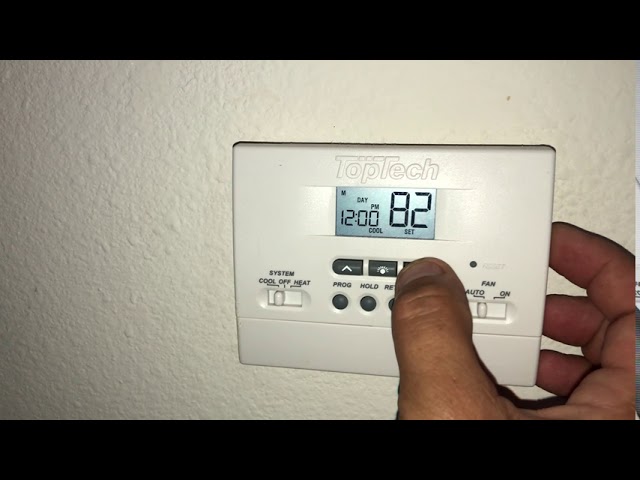
- Thermostat Check: Make sure the thermostat is set to “cool” and the temperature is set lower than the current room temperature. Try lowering the temperature a few degrees to see if the AC kicks on. Replace the thermostat batteries if needed.
- Inspect Air Vents: Make sure all air vents are open and not blocked by furniture or curtains.
- Clean the Outdoor Unit Fins: Use a garden hose (with a gentle spray nozzle) to clean the fins on the outdoor unit. Spray from the inside out to avoid bending the fins.
- Check for Duct Leaks: Look for obvious signs of duct leaks, such as tears or gaps in the ductwork. Seal any leaks with duct tape.
- Turn off AC and Reset: Turn the AC unit off at the breaker box for 30 minutes, then turn it back on. This can sometimes reset the system and resolve minor issues.
- Measure Air Temperature at Vents: Use a thermometer to measure the air temperature coming out of the vents. It should be significantly cooler (15-20 degrees Fahrenheit) than the room temperature.
- Listen to the Compressor: Go outside to the outdoor unit and listen to the compressor. It should be running smoothly. If it’s making strange noises or not running at all, it could indicate a more serious problem.
- Check the Condensate Drain Line: Make sure the condensate drain line is not clogged. A clogged drain line can cause water to back up and potentially freeze the evaporator coils.
- Ensure Proper Insulation: Check that your home is properly insulated. Poor insulation can make it difficult for your AC to cool effectively.
- Verify Correct Thermostat Programming: Ensure your thermostat is programmed correctly with the correct time, day, and cooling schedule.
Fix the Issue Without Buying Parts
Many AC cooling problems can be resolved without purchasing any new parts. Here are some free methods to try:
- Air Filter Cleaning/Replacement: As stated above, clean or replace your AC filter.
- Outdoor Unit Cleaning: Remove debris blocking the condenser unit.
- Ductwork Inspection: Visually check for and seal any accessible duct leaks.
- Thermostat Reset: Reset the thermostat according to the manufacturer’s instructions.
- Verify Proper Ventilation: Ensure adequate ventilation throughout your home to help circulate cool air.
- Strategic Fan Usage: Use fans to help circulate cool air from the AC unit throughout the house.
When Replacement Might Be Necessary
While many issues can be resolved with simple troubleshooting, some problems might require professional repair or even replacement. If you’ve tried the steps above and your AC is still not cooling effectively, it might be time to consider replacement. Common failing parts include the compressor (often costing $800-$2000+ to replace) and the evaporator coil ($600-$1500+). Replacing the entire AC unit typically ranges from $3,000 to $7,000+, depending on the size and efficiency of the unit.
Safety Warning
- Always turn off the AC unit at the breaker box before performing any maintenance or repairs.
- Avoid touching electrical components while the unit is powered on.
- Do not spray water directly onto electrical components.
- If you are not comfortable working with electrical equipment, consult a qualified HVAC technician.
- Be careful when working on ladders to avoid falls.
- Wear gloves to protect your hands from sharp edges and debris.
Tools You May Need
- Screwdriver (Phillips and flathead)
- Vacuum cleaner with hose attachment
- Garden hose with spray nozzle
- Duct tape
- Thermometer
- Work gloves
FAQ
Here are some frequently asked questions about AC cooling problems:
-
Q: Why is my AC running constantly but not cooling?
A: This could be due to a dirty air filter, blocked outdoor unit, low refrigerant, or a faulty compressor. -
Q: How often should I replace my AC filter?
A: It’s generally recommended to replace your AC filter every 1-3 months, depending on usage and air quality. -
Q: Is it normal to see ice on my AC unit?
A: No, ice buildup is not normal and indicates a problem, such as restricted airflow or low refrigerant. -
Q: How can I tell if my AC needs refrigerant?
A: Common signs of low refrigerant include weak airflow, warm air coming from the vents, and ice buildup on the evaporator coils. A professional HVAC technician will need to add refrigerant. -
Q: My AC is making a loud banging noise. What could be wrong?
A: A loud banging noise could indicate a problem with the compressor or other internal components. It’s best to consult a qualified technician. -
Q: How can I reduce my AC energy costs?
A: You can reduce energy costs by keeping your AC filter clean, sealing duct leaks, using ceiling fans, and ensuring your home is properly insulated.
Conclusion
Dealing with an AC that isn’t cooling properly can be frustrating, but with a little troubleshooting, you can often resolve the issue yourself. By following these steps, you can identify the problem and potentially fix it without having to call a professional. If you’ve tried these steps and your AC is still not cooling, don’t hesitate to call a qualified HVAC technician for further assistance. Taking care of your AC system now can save you money and ensure a comfortable home for years to come!
Youtube Video:
Looking for more useful options?
Check out recommended resources that others find helpful.