Introduction
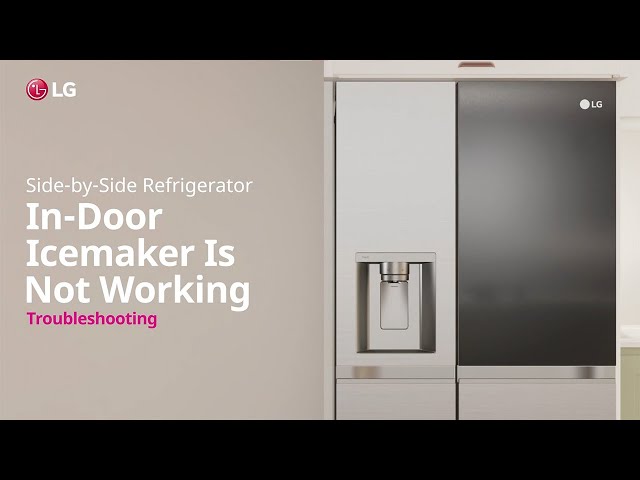
An ice maker that refuses to make ice can be a real headache, especially during hot weather or when you’re planning a gathering. The frustration of an LG ice maker not working is common, and it often happens when you need it most! It could be anything from a simple blockage to a more complex issue. Figuring out the cause quickly is key to getting your ice production back on track. Let’s troubleshoot this step-by-step before you call in a costly repair technician.
Common Causes of LG Ice Maker Not Working
Here are some common culprits behind an ice maker malfunction:
- Frozen Water Line: The water line supplying your ice maker can freeze, preventing water from reaching the ice maker.
- Water Filter Clogged: A dirty or clogged water filter restricts water flow.
- Ice Buildup in the Ice Maker: Ice clumps can block the ice maker mechanism.
- Faulty Water Inlet Valve: This valve controls the water flow into the ice maker. If it fails, water won’t enter.
- Ice Maker Arm Position: The ice maker arm (or bail arm) might be accidentally in the “off” position.
- Low Freezer Temperature: The freezer needs to be cold enough for the ice maker to function properly.
- Defective Ice Maker Module: The module controls the ice-making cycle, and it can fail over time.
- Kinked or Damaged Water Line: A kinked or damaged water line can restrict or stop water flow.
Symptoms Checklist
Use this checklist to help pinpoint the problem:
- No ice production at all.
- Ice maker produces only small or misshapen ice cubes.
- Ice maker arm is stuck in the “up” position.
- Water dispenser also not working (if applicable).
- Strange noises coming from the ice maker area.
- Ice maker is overflowing with water.
How to Fix LG Ice Maker Not Working Step-by-Step Guide
Follow these steps to troubleshoot your LG ice maker:
- Check the Freezer Temperature: Ensure your freezer is set to 0-5F (-18 to -15C). Too warm, and the ice maker won’t work.
- Inspect the Ice Maker Arm: Make sure the ice maker arm (bail arm) is in the “down” position. If it’s up, gently push it down.
- Check the Water Line: Locate the water line behind your refrigerator. Look for any kinks or bends that might be restricting water flow. Straighten them out carefully.
- Examine the Water Filter: The water filter is usually located inside the refrigerator or behind a panel at the bottom. Replace it every 6 months, or sooner if you notice reduced water flow to the dispenser (if your refrigerator has one).
- Defrost the Ice Maker: If you suspect ice buildup, unplug the refrigerator for a few hours to allow the ice to melt. You can also use a hairdryer (on a low setting) to gently melt the ice.
- Check the Water Inlet Valve: Locate the water inlet valve (usually behind the refrigerator near the water connection). Look for any signs of damage or leaks. You can try cleaning it with a soft brush.
- Listen for Water Flow: After defrosting, plug the refrigerator back in and listen closely for water flowing into the ice maker. If you don’t hear anything, the water inlet valve might be the issue.
- Reset the Ice Maker: Some LG ice makers have a reset button (often located on the bottom of the ice maker unit). Press and hold it for a few seconds to initiate a reset. Refer to your user manual for exact location and instructions.
- Clean the Ice Maker: Use a soft cloth and warm water to clean the ice maker compartment. Remove any debris or ice fragments.
- Check the Ice Level Sensor: Some models have an ice level sensor. Ensure it’s not blocked by ice or debris.
- Inspect the Ejector Fingers: These are the plastic “fingers” that push the ice out of the mold. Make sure they are not broken or obstructed.
- Check the Water Pressure: Low water pressure to your house can affect the ice maker. Make sure the water pressure is sufficient (typically 20-120 psi).
- Confirm the Power Cord is Secure: While seemingly obvious, double-check that the refrigerator is plugged in securely and that the outlet is working.
Fix the Issue Without Buying Parts
Before you consider replacing any parts, try these free solutions:
- Reset the Ice Maker: Use the reset button if your model has one.
- Thorough Cleaning: Melt all ice and clean the unit thoroughly.
- Inspect Water Lines: Straighten any kinks or obstructions.
- Maintenance: Replace the water filter regularly (every 6 months).
When Replacement Might Be Necessary
If you’ve tried all the troubleshooting steps and your ice maker still isn’t working, a component might need replacing. The water inlet valve, ice maker module, or even the entire ice maker assembly are potential candidates. Replacement costs can range from $50 to $200+ USD, depending on the part and your refrigerator model. Parts that commonly fail are the water inlet valve and the ice maker module itself.
Safety Warning
- Always unplug the refrigerator before performing any repairs or inspections.
- Avoid working on electrical components if you are not comfortable with electrical work. Call a qualified technician.
- Be careful when handling water near electrical components.
- Ensure your hands are dry before touching any electrical parts.
- Avoid overfilling the ice maker with water during manual filling attempts.
Tools You May Need
Here’s a list of tools that may be helpful:
- Screwdrivers (Phillips and flathead)
- Pliers
- Adjustable wrench
- Soft cloth or sponge
- Bucket or container to catch water
- Hair dryer (optional, for defrosting)
FAQ
Here are some frequently asked questions:
- Q: My ice maker is making ice, but it’s very small. What’s wrong? A: Low water pressure or a partially clogged water filter are the most likely causes. Check your water pressure and replace the filter if needed.
- Q: How do I know if my water inlet valve is bad? A: If you don’t hear any water flowing into the ice maker after defrosting, and you’ve checked the water line and filter, the water inlet valve is likely faulty.
- Q: How often should I replace my water filter? A: Replace your refrigerator water filter every 6 months, or sooner if you notice a decrease in water flow.
- Q: My ice maker is overflowing with water. What’s causing this? A: A faulty water inlet valve that is stuck open is a common cause of overflowing.
Conclusion
Troubleshooting your LG ice maker can seem daunting, but by following these steps, you can often identify and fix the problem yourself. Remember to take your time, be thorough, and prioritize safety. If you’ve exhausted all the DIY options and your ice maker still isn’t working, it’s time to call a qualified appliance repair technician. Good luck!
Youtube Video:
Looking for more useful options?
Check out recommended resources that others find helpful.