Introduction
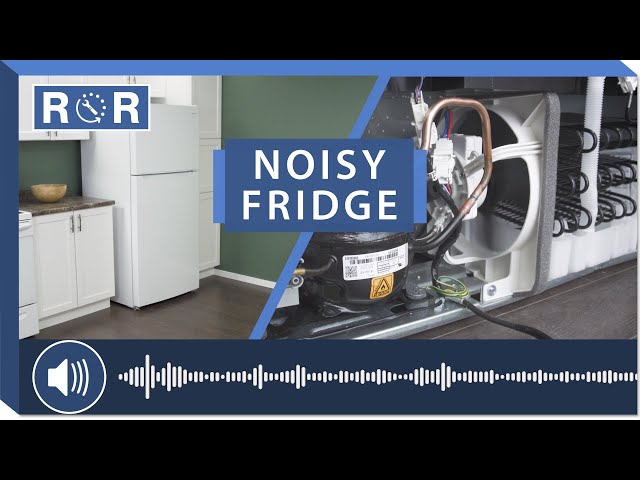
A noisy refrigerator motor is a common problem for homeowners. That persistent humming, buzzing, or clicking sound can be incredibly annoying, but more importantly, it can signal that your refrigerator isn’t running as efficiently as it should. Ignoring the noise could lead to a bigger problem down the road, potentially causing your food to spoil or even leading to a complete refrigerator failure. This guide will help you identify the cause of the noise and provide step-by-step instructions on how to fix it. Addressing this promptly can save you money on energy bills and prevent costly repairs.
Common Causes of a Noisy Refrigerator Motor
Several factors can contribute to a noisy refrigerator motor. Here are some of the most common causes:
- Dirty Condenser Coils: Dust and debris buildup on the condenser coils can force the motor to work harder, creating more noise.
- Loose Fan Blades: The condenser fan or evaporator fan blades can become loose or unbalanced, causing rattling or buzzing sounds.
- Icemaker Issues: If your refrigerator has an icemaker, problems with its motor or components can generate noise.
- Faulty Compressor: The compressor is the heart of the refrigerator, and if it’s failing, it can produce loud humming or rattling noises.
- Damper Control Problems: The damper controls airflow between the freezer and refrigerator. If it’s malfunctioning, it may cause unusual noises.
- Refrigerator Not Level: An uneven refrigerator can cause the motor and other components to vibrate excessively.
- Frozen Evaporator Fan: Ice buildup around the evaporator fan can cause it to make scraping or clicking noises.
- Start Relay Issues: The start relay helps start the compressor. If it fails, it can cause clicking sounds and the compressor may not start properly.
- Overworked Motor: An overloaded refrigerator (packed with too much food) can cause the motor to work harder and produce more noise.
Symptoms Checklist
Use this checklist to help you accurately identify the source of the noise:
- Loud humming or buzzing coming from the back or bottom of the refrigerator.
- Rattling or clicking noises originating from the refrigerator motor area.
- Increased refrigerator temperature or food spoilage.
- Freezer and/or refrigerator not cooling properly.
- Icemaker not working correctly.
- The refrigerator runs constantly and struggles to maintain temperature.
- Vibrations coming from the refrigerator when the motor is running.
How to Fix a Noisy Refrigerator Motor Step-by-Step Guide
Follow these steps to troubleshoot and potentially fix a noisy refrigerator motor:
- Unplug the Refrigerator: Before starting any repairs, unplug the refrigerator from the power outlet for safety.
- Locate the Motor: The refrigerator motor (compressor) is usually located at the back or bottom of the appliance.
- Inspect the Condenser Coils: Locate the condenser coils (usually on the back or bottom) and check for dust and debris buildup.
- Clean the Condenser Coils: Use a vacuum cleaner with a brush attachment to gently remove any dust or debris from the coils.
- Check the Condenser Fan: Locate the condenser fan (near the motor) and check for any obstructions or loose fan blades.
- Clean the Condenser Fan Blades: Clean the fan blades with a damp cloth to remove any dust or dirt.
- Ensure the Refrigerator is Level: Use a level to check if the refrigerator is sitting evenly on the floor. Adjust the leveling feet as needed.
- Inspect the Evaporator Fan (Inside the Freezer): Remove the back panel inside the freezer to access the evaporator fan.
- Check for Ice Buildup: Look for ice buildup around the evaporator fan. If there’s ice, unplug the refrigerator and let it defrost completely.
- Clean the Evaporator Fan Blades: Once defrosted, clean the evaporator fan blades.
- Listen to the Compressor: Plug the refrigerator back in and listen to the compressor. Note any unusual noises like rattling or clicking.
- Check the Icemaker (If Applicable): If you have an icemaker, turn it off and on to see if the noise disappears. This helps determine if the icemaker is the source of the noise.
- Inspect the Damper Control: Locate the damper control (usually in the refrigerator section) and ensure it’s functioning smoothly.
- Check the Start Relay: While harder to access, the start relay might be the source. Look for signs of burning or damage (this might require professional help).
Fix the Issue Without Buying Parts
Many refrigerator motor noises can be resolved without purchasing new parts:
- Refrigerator Reset: Unplug the refrigerator for 30 minutes and then plug it back in. This can sometimes reset the motor and resolve minor issues.
- Thorough Cleaning: Regularly cleaning the condenser coils and fan blades can prevent noise caused by dust and debris buildup.
- Proper Leveling: Ensuring the refrigerator is level is essential for quiet operation.
- Avoid Overloading: Don’t overpack the refrigerator, as this can cause the motor to work harder and produce more noise.
- Defrost Regularly: Manually defrosting your refrigerator if it’s not frost-free can prevent ice buildup around the evaporator fan.
- Regular Inspection: Periodically inspect the refrigerator’s components for any signs of wear and tear.
When Replacement Might Be Necessary
If the troubleshooting steps above don’t resolve the noise, the refrigerator motor (compressor) may be failing and require replacement. A professional technician should diagnose this. Replacing the compressor can cost between $300 and $700 (USD), including parts and labor. Other parts that might need replacement include the condenser fan motor ($50-$150), evaporator fan motor ($50-$150), or the start relay ($20-$50). It’s important to weigh the cost of replacement against the cost of buying a new refrigerator.
Safety Warning
- Always unplug the refrigerator from the power outlet before performing any repairs.
- Avoid working on electrical components if you are not comfortable with electrical repairs.
- Be careful when handling sharp objects or tools.
- Keep children and pets away from the work area.
- If you are unsure about any step, consult a qualified technician.
- Ensure the floor is dry to avoid electrical shock.
Tools You May Need
- Screwdrivers (Phillips and flathead)
- Vacuum cleaner with brush attachment
- Adjustable wrench
- Level
- Damp cloth
- Work Gloves
FAQ
Here are some frequently asked questions about noisy refrigerator motors:
-
Q: Why is my refrigerator motor so loud all of a sudden?
A: Sudden loud noises can indicate a failing compressor, loose fan blades, or ice buildup. Check these areas first. -
Q: How often should I clean the condenser coils?
A: Clean the condenser coils every 6 months to ensure efficient operation and prevent noise. -
Q: Can I replace the refrigerator motor myself?
A: Replacing the compressor is a complex repair that requires specialized tools and knowledge. It’s generally recommended to hire a qualified technician. -
Q: Is it normal for my refrigerator motor to make some noise?
A: Yes, it’s normal for the motor to make a low hum or whirring sound. However, loud rattling, clicking, or buzzing noises indicate a problem. -
Q: My refrigerator is old. Is it worth repairing the motor?
A: Consider the age and overall condition of your refrigerator. If it’s more than 10 years old and other issues are present, replacing it might be a better option.
Conclusion
Addressing a noisy refrigerator motor promptly can save you from bigger problems. Start with the simple troubleshooting steps outlined in this guide. Many noise issues can be resolved with basic maintenance and cleaning. If you’re uncomfortable performing any of the repairs, or if the problem persists, don’t hesitate to call a qualified appliance repair technician. Taking care of the problem early will save you money on electricity and repairs and help extend the life of your refrigerator.
Youtube Video:
Looking for more useful options?
Check out recommended resources that others find helpful.