Introduction
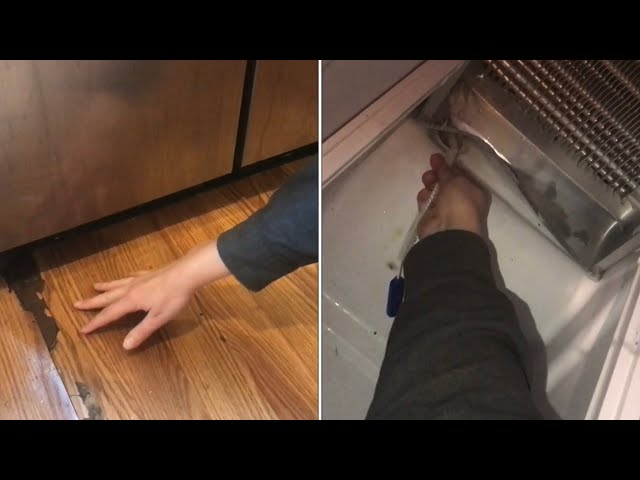
Discovering a leak coming from your KitchenAid bottom freezer can be concerning. Not only can it damage your flooring, but it also suggests a problem with your appliance’s efficiency. This guide is designed to help you identify the source of the leak and address it yourself, saving you time and money. Leaks often occur after defrost cycles or when the freezer is overly full. Addressing the problem promptly prevents water damage and potential mold growth, so let’s get started!
Common Causes of KitchenAid Bottom Freezer Leaking
Here are some common reasons why your KitchenAid bottom freezer might be leaking:
- Clogged Defrost Drain: This is the most frequent culprit. Ice buildup in the drain can prevent water from flowing properly, causing it to overflow and leak.
- Icemaker Issues: A faulty icemaker water line or valve can lead to leaks, especially if the water pressure is too high.
- Door Seal Problems: A damaged or dirty door seal allows warm air to enter, increasing condensation and potential leakage.
- Overfilled Freezer: Packing the freezer too tightly can block vents and cause uneven temperatures, leading to excessive condensation.
- Water Filter Issues: If your refrigerator has a water filter, an improperly installed or old filter can leak.
- Water Inlet Valve Failure: This valve controls the water flow to the icemaker and water dispenser. If it malfunctions, it can leak.
- Loose Water Line Connections: Check the connections where the water lines attach to the refrigerator. Loose connections cause drips.
- Condensate Pan Overflow: This pan collects defrost water. If it’s cracked or overflowing, it will cause a leak.
Symptoms Checklist
Check these indicators to confirm the leak’s source:
- Puddle of water on the floor in front of the freezer.
- Ice buildup inside the freezer, especially around the back panel.
- Water stains or dampness around the base of the refrigerator.
- Visible dripping from the icemaker area.
- Unusual noises from the icemaker or water dispenser.
- Food in the freezer becoming freezer-burned quickly.
How to Fix KitchenAid Bottom Freezer Leaking Step-by-Step Guide
Follow these steps to troubleshoot and fix the leak:
- Unplug the Refrigerator: For safety, always disconnect the power before starting any repairs.
- Locate the Defrost Drain: Inside the freezer, usually at the back wall behind a panel, youll find the defrost drain.
- Melt Any Ice Buildup: Use a hairdryer (on low setting) to gently melt ice blocking the drain. Be careful not to melt plastic components.
- Flush the Drain: Use a turkey baster or syringe to flush the drain with warm water. You can also use a mixture of warm water and baking soda.
- Check the Drain Tube: The drain tube runs from the drain inside the freezer to a pan at the bottom of the refrigerator. Ensure this tube is not kinked, blocked, or disconnected.
- Clean the Condensate Pan: Locate the condensate pan (usually at the bottom, near the compressor). Remove it and clean any accumulated water and debris.
- Inspect the Door Seal: Check the rubber seal around the freezer door for damage, cracks, or dirt. Clean the seal with warm, soapy water and dry it thoroughly.
- Examine the Icemaker: Look for any visible leaks or ice buildup around the icemaker. If you find any, turn off the icemaker and investigate further.
- Check Water Line Connections: Inspect the water lines connecting to the refrigerator (usually at the back). Tighten any loose connections.
- Inspect the Water Filter (if applicable): Ensure the water filter is properly installed and not expired. If it’s old, replace it.
- Level the Refrigerator: Ensure the refrigerator is level. Use a level tool on the top of the refrigerator to check. Adjust the legs at the bottom as needed.
- Rearrange the Freezer Contents: Don’t overpack the freezer. Leave space for air to circulate.
- Monitor After Restarting: Plug the refrigerator back in and monitor for any leaks over the next 24 hours.
Fix the Issue Without Buying Parts
Before considering replacements, try these free methods:
- Reset: Unplug the refrigerator for 10 minutes to reset the system.
- Deep Cleaning: Thoroughly clean the interior of the freezer, paying special attention to the drain area and door seal.
- Inspect: Carefully examine all water lines and connections for any signs of wear or looseness.
- Maintenance: Regularly defrost the freezer to prevent ice buildup.
When Replacement Might Be Necessary
If the leak persists after trying the above steps, replacement of certain parts might be needed. The following parts commonly fail:
- Defrost Heater: If the heater isn’t melting ice properly, the drain can clog. Cost: $50$100 USD.
- Water Inlet Valve: If this valve is leaking, it needs replacing. Cost: $40$80 USD.
- Icemaker Assembly: If the icemaker itself is cracked or leaking, replacement is likely. Cost: $100$250 USD.
Safety Warning
Take these safety precautions:
- Always unplug the refrigerator before performing any maintenance or repairs.
- Be careful when using a hairdryer to melt ice. Avoid overheating plastic components.
- Wipe up any spilled water immediately to prevent slips and falls.
- If you are uncomfortable performing any of these steps, consult a qualified appliance repair technician.
Tools You May Need
Here’s a list of simple tools you might find helpful:
- Screwdrivers (Phillips and flathead)
- Turkey baster or syringe
- Warm water
- Baking soda
- Hair dryer
- Clean cloths
- Level tool
FAQ
Here are some frequently asked questions:
-
Q: Why is my freezer leaking even after I cleaned the drain?
A: The drain might be partially clogged further down the line. Try using a longer, flexible object to clear it. -
Q: How often should I clean the defrost drain?
A: It’s a good practice to clean the defrost drain every 6 months to prevent clogs. -
Q: My icemaker is leaking. What should I do?
A: Turn off the icemaker immediately and check the water line connections and the icemaker assembly for cracks or leaks. -
Q: Can a faulty door seal cause a leak?
A: Yes, a damaged door seal can allow warm air to enter, causing condensation and eventual leakage.
Conclusion
Troubleshooting a KitchenAid bottom freezer leak can seem daunting, but with this guide, you can confidently address the most common issues. By following these steps, you can often resolve the problem yourself and avoid costly repair bills. However, if the leak persists or you’re uncomfortable with any of these steps, don’t hesitate to call a qualified appliance repair technician. Good luck!
Youtube Video:
Looking for more useful options?
Check out recommended resources that others find helpful.