Introduction
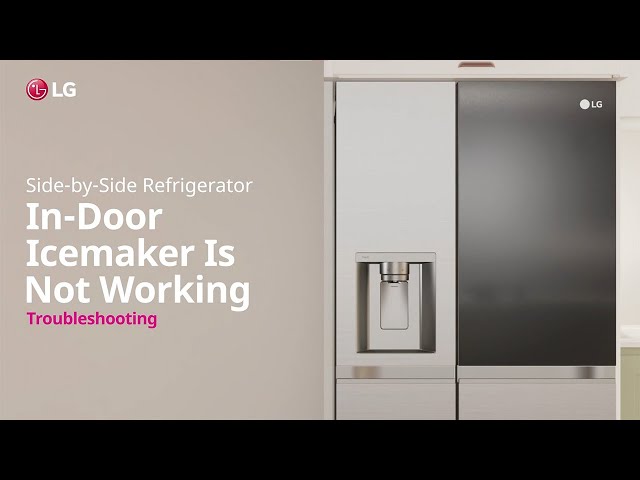
Discovering that your LG refrigerator’s ice maker isn’t working can be a real inconvenience, especially during hot weather or when you’re entertaining. A functioning ice maker is a modern convenience we often take for granted. When it stops working, you’re suddenly faced with the hassle of buying ice or using ice cube trays like it’s the dark ages! Addressing this issue promptly can prevent further inconvenience and potential problems with your refrigerator’s overall cooling system. Let’s walk through some steps to get your ice maker back in action.
Common Causes of my ice maker is not working on my lg refrigerator
- Frozen Water Line: A frozen water line restricts the flow of water to the ice maker, preventing ice production.
- Clogged Water Filter: A dirty or clogged water filter reduces water pressure, hindering the ice-making process.
- Ice Maker Arm Position: If the ice maker arm is in the “off” or “up” position, it will stop ice production.
- Low Freezer Temperature: If the freezer temperature is too high, the ice maker won’t be able to freeze water into ice.
- Faulty Water Inlet Valve: A malfunctioning water inlet valve might not open to supply water to the ice maker.
- Ice Jam: Ice can sometimes get stuck in the ice maker, preventing new ice from being made.
- Defective Ice Maker Module: The ice maker module controls the entire ice-making process. If it’s defective, the ice maker won’t work.
- Water Pressure Issues: Insufficient water pressure to your home can affect the ice maker’s ability to fill and freeze.
Symptoms Checklist
- No ice is being produced.
- Ice maker is making ice very slowly.
- Ice cubes are small or misshapen.
- The ice maker arm is stuck.
- You hear unusual noises coming from the ice maker.
- Water dispenser is also not working (suggesting a water supply issue).
How to Fix my ice maker is not working on my lg refrigerator Step-by-Step Guide
- Check the Ice Maker Switch: Ensure the ice maker is turned “on.” The switch is usually a wire arm or a button located inside the freezer.
- Lower the Ice Maker Arm: If the wire arm is in the “up” position, gently lower it. This activates the ice maker.
- Verify Freezer Temperature: The ideal freezer temperature should be around 0F (-18C). Adjust the temperature if necessary.
- Inspect the Water Line: Look for any kinks or bends in the water line behind the refrigerator. Straighten them out to ensure proper water flow.
- Check the Water Filter: Locate the water filter (usually inside the refrigerator or at the bottom front). If it’s been longer than 6 months, replace it. If it’s relatively new, try removing it and running the ice maker to see if that fixes the problem. This tests if it is the filter causing the blockage.
- Thaw a Frozen Water Line: If you suspect a frozen water line, unplug the refrigerator. Use a hairdryer on low heat to gently warm the water line from the refrigerator to the water valve. Do not overheat!
- Check Water Pressure: Ensure your home has adequate water pressure. A low water pressure can affect the ice maker’s performance.
- Listen for the Water Inlet Valve: When the ice maker cycles, listen for a buzzing sound from the water inlet valve at the back of the refrigerator. If you don’t hear it, the valve might be faulty.
- Manually Cycle the Ice Maker: Some LG refrigerators have a test button on the ice maker. Press and hold this button for a few seconds to force the ice maker to cycle. This can help dislodge any ice jams. If it does not have a test button, you can try manually filling the ice mold with water and see if it freezes and ejects.
- Clear Ice Jams: If you see ice stuck in the ice maker, carefully remove it with a plastic utensil to avoid damaging the ice maker.
- Reset the Refrigerator: Unplug the refrigerator for 5-10 minutes, then plug it back in. This can sometimes reset the ice maker.
- Clean the Ice Maker: Remove any ice and clean the ice maker with a mild soap and water solution. Rinse thoroughly and dry before turning it back on.
Fix the Issue Without Buying Parts
Many ice maker problems can be resolved without immediately purchasing new parts. Start by:
- Resetting the Ice Maker: Unplug the refrigerator for 5-10 minutes to reset the system.
- Cleaning the Ice Maker: Regularly clean the ice maker to prevent ice jams and buildup.
- Inspecting for Obstructions: Check for any ice or debris blocking the ice maker’s moving parts.
- Adjusting Temperature: Ensure the freezer temperature is set correctly for optimal ice production.
- Maintaining Water Filter: Replace the water filter every 6 months to ensure proper water flow.
When Replacement Might Be Necessary
If you’ve tried all the troubleshooting steps and the ice maker still isn’t working, a replacement part might be necessary. Common parts that fail include the water inlet valve, ice maker module, or even the entire ice maker assembly. Replacement costs can range from $50 to $200+ USD depending on the part and the model of your LG refrigerator. If you’re not comfortable replacing parts yourself, it’s best to call a qualified appliance repair technician.
Safety Warning
- Always unplug the refrigerator before performing any troubleshooting or repairs.
- Avoid using sharp objects to remove ice from the ice maker, as this can damage the unit.
- Be careful when handling electrical components and follow manufacturer’s instructions.
- If you’re not comfortable working with electrical appliances, consult a qualified technician.
- Ensure the floor around the refrigerator is dry to prevent slips and falls.
Tools You May Need
- Screwdriver (Phillips and flathead)
- Pliers
- Towel
- Hairdryer (for thawing frozen lines)
- Water filter (replacement)
- Mild soap and water
FAQ
- Q: How often should I replace my water filter? A: Every 6 months or as recommended by the manufacturer.
- Q: Why is my ice maker making small or hollow cubes? A: This is often due to low water pressure or a clogged water filter.
- Q: How do I manually cycle my LG ice maker? A: Look for a test button on the ice maker unit and press and hold it for a few seconds.
- Q: My water dispenser is also not working. Is it related? A: Yes, both use the same water supply. Check the water line, filter, and water inlet valve.
- Q: How long does it take for a new ice maker to start producing ice? A: It can take up to 24 hours for a new ice maker to start producing ice.
Conclusion
Troubleshooting a non-working ice maker on your LG refrigerator can seem daunting, but by following these steps, you can often resolve the issue yourself. Remember to take your time, follow safety precautions, and don’t hesitate to seek professional help if needed. With a little patience and effort, you can get your ice maker back in working order and enjoy the convenience of having ice on demand. If these DIY steps don’t solve the problem, it might be time to call a qualified appliance repair technician.
Youtube Video:
Looking for more useful options?
Check out recommended resources that others find helpful.