Introduction
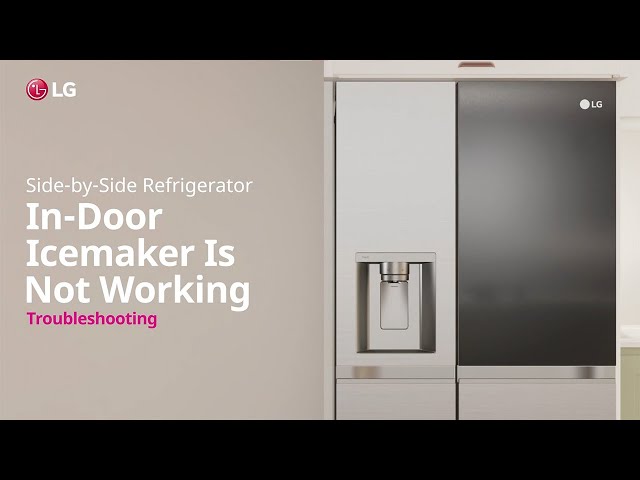
Finding your LG side-by-side refrigerator isn’t making ice can be frustrating. Ice is a convenience we often take for granted, and suddenly not having it, especially during hot weather or when entertaining, can be a real problem. Luckily, many causes are easy to check and fix yourself before calling a technician. This guide will walk you through the most common reasons why your LG refrigerator might be failing to produce ice.
Common Causes of LG Refrigerator Side by Side Not Making Ice
Here are some potential reasons why your ice maker might not be working:
- The Ice Maker is Turned Off: It sounds simple, but sometimes the ice maker switch gets accidentally turned off.
- Water Supply Issue: No water, no ice! Check the water line.
- Frozen Water Line: A frozen line prevents water from reaching the ice maker.
- Clogged Water Filter: A dirty filter restricts water flow.
- Ice Jam: Ice cubes can get stuck in the ejector mechanism.
- Faulty Ice Maker Module: The motor or components within the ice maker itself could be malfunctioning.
- Low Freezer Temperature: The freezer needs to be cold enough to freeze water into ice.
- Door Not Sealing Properly: Warm air entering the freezer can affect ice production.
- Defective Water Inlet Valve: This valve controls the flow of water to the ice maker and dispenser.
- Problem with the Control Board: The control board may be malfunctioning.
Symptoms Checklist
Use this list to help pinpoint the issue:
- No ice being produced at all.
- Ice maker making small or hollow ice cubes.
- Ice dispenser not working, even though ice is present.
- Slow ice production.
- Water dispenser not working.
- Strange noises coming from the ice maker.
- Error codes displayed on the refrigerator control panel related to ice production.
How to Fix LG Refrigerator Side by Side Not Making Ice Step-by-Step Guide
- Check the Ice Maker Switch: Make sure the ice maker is turned on. It’s usually a switch or button inside the freezer.
- Inspect the Water Line: Ensure the water line connected to the refrigerator is not kinked or damaged. Make sure it’s properly connected.
- Check for a Frozen Water Line: Locate the water line behind the refrigerator or under the sink. If you suspect it’s frozen, gently warm it with a hairdryer (on a low setting) or wrap it in warm towels.
- Replace the Water Filter: LG recommends replacing the water filter every 6 months. A clogged filter restricts water flow.
- Clear an Ice Jam: Check the ice maker for any ice jams. Use a plastic utensil to carefully dislodge any stuck cubes. Avoid using sharp objects that could damage the ice maker.
- Check the Freezer Temperature: Ensure the freezer temperature is set between 0F and 5F (-18C and -15C). If it’s too warm, the ice maker won’t function properly.
- Inspect the Door Seal: Make sure the freezer door seals tightly. A poor seal allows warm air to enter, affecting ice production. Clean the seal with a damp cloth to remove any debris.
- Listen for the Water Inlet Valve: When the ice maker cycles (usually every hour or so), listen for a buzzing sound from the water inlet valve (located behind the refrigerator). If you don’t hear it, the valve may be faulty.
- Perform a Reset: Some LG refrigerators have a reset button for the ice maker. Consult your owner’s manual for the location of the reset button and instructions on how to use it.
- Inspect the Ice Maker Fill Tube: Remove the ice maker cover and check the fill tube where water enters the ice maker. Ensure this tube is not frozen or clogged.
- Manually Cycle the Ice Maker: Some LG models allow you to manually cycle the ice maker by pressing and holding a test button (check your manual). This can help determine if the ice maker mechanism is functioning correctly.
- Check the Drain Trough: Make sure the drain trough, located at the back of the freezer, is not blocked with ice. Melt any ice build-up with warm water.
Fix the Issue Without Buying Parts
Before you consider replacing parts, try these free troubleshooting methods:
- Refrigerator Reset: Unplug the refrigerator for 5-10 minutes to reset the system.
- Cleaning: Regularly clean the ice maker and surrounding areas to prevent ice jams and debris buildup.
- Temperature Recalibration: Ensure your freezer and refrigerator temperatures are correctly set.
- Regular Inspection: Periodically inspect the water line and door seals for any signs of damage or wear.
When Replacement Might Be Necessary
If you’ve tried all the troubleshooting steps and your ice maker still isn’t working, you might need to replace a part. Common parts that fail include the ice maker module, the water inlet valve, or the water filter housing. Replacing the ice maker module can cost between $100 and $300, while a water inlet valve typically costs between $50 and $150. Labor costs for a professional repair can add an additional $100 to $200.
Safety Warning
- Always unplug the refrigerator before performing any repairs.
- Avoid working on electrical components with wet hands or on wet floors.
- Be careful when handling sharp tools or components.
Tools You May Need
- Screwdriver (Phillips and flathead)
- Pliers
- Adjustable wrench
- Hairdryer (for thawing frozen water lines)
- Towels
- Plastic scraper (for removing ice jams)
FAQ
-
Q: Why is my ice maker making small ice cubes?
A: This is often caused by low water pressure or a clogged water filter. Check your water supply and replace the filter. -
Q: My water dispenser isn’t working either. Could this be related?
A: Yes, both the ice maker and water dispenser share the same water supply. A problem with the water inlet valve or a frozen water line could affect both. -
Q: How often should I replace my water filter?
A: LG recommends replacing the water filter every six months. -
Q: What should I do if I find ice in the fill tube of my ice maker?
A: Use a hairdryer on low heat to gently melt the ice. Be careful not to overheat the plastic components.
Conclusion
Troubleshooting your LG refrigerator’s ice maker can seem daunting, but by following these steps, you can often identify and resolve the issue yourself. Remember to start with the simplest solutions first and work your way through the more complex ones. If you’ve exhausted all your options and the ice maker is still not working, it might be time to call a qualified appliance repair technician. Good luck!
Youtube Video:
Looking for more useful options?
Check out recommended resources that others find helpful.