
Introduction
A vibrating noise coming from your LG fridge can be annoying and concerning. It usually indicates that something isn’t quite right, and ignoring it could lead to more significant issues down the line. While some noises are normal, a persistent or loud vibration requires investigation. It could be a simple fix, like adjusting the fridge’s position, or it could indicate a more complex problem. Addressing the noise promptly can prevent further damage and keep your fridge running efficiently. This guide will walk you through the most common causes and how to troubleshoot them yourself.
💡 Technical Key Takeaways:
- Core Focus: Diagnostic schematic and terminal connection layout for My Lg Fridge Is Making A Vibrating Noise.
- Target Scope: Field technicians, automotive DIYers, and residential/commercial electricians.
- Safety Rule: Always disconnect the primary power source/battery terminal and verify zero voltage with a multimeter before touching wires.
Common Causes of my lg fridge is making a vibrating noise
Here are some of the most common reasons why your LG fridge might be making a vibrating noise:. For more related activities, check out our Lg Fridge Making Vibrating Noise.
- Uneven Flooring: The fridge may not be sitting level, causing parts to vibrate against each other.
- Loose Components: Screws, panels, or shelves may have come loose, causing them to rattle.
- Ice Maker Issues: The ice maker can vibrate if it’s malfunctioning or if ice is stuck.
- Condenser Fan Problems: The condenser fan motor might be loose, dirty, or failing, leading to vibrations.
- Compressor Vibration: The compressor, the fridge’s engine, can vibrate if it’s old or struggling.
- Water Line Interference: The water line for the ice maker or water dispenser might be vibrating against the fridge or wall.
- Items Inside the Fridge: Bottles or containers inside the fridge can vibrate against each other or the shelves.
- Defrost Cycle: During the defrost cycle, components can vibrate slightly as ice melts. This is usually temporary.
- Drain Pan Vibration: The drain pan at the bottom of the fridge can vibrate if it is not properly seated or if debris is present.
Symptoms Checklist
Use this checklist to help you accurately identify the problem:
- Is the vibrating noise constant or intermittent?
- Does the noise get louder or quieter at certain times of the day?
- Can you pinpoint the area where the noise is coming from (e.g., back, bottom, inside)?
- Does the noise change when you open or close the fridge door?
- Does the vibration seem to affect other appliances nearby?
- Is the fridge cooling properly?
- Have you recently added or removed items from the fridge?
How to Fix my lg fridge is making a vibrating noise Step-by-Step Guide
- Check if the Fridge is Level: Use a level on the top and sides of the fridge. Adjust the leveling feet at the bottom until the fridge is stable and doesn’t wobble.
- Tighten Loose Screws: Inspect the back panel, side panels, and any visible screws. Tighten any loose screws you find.
- Secure Loose Panels: Check for any panels that are loose or rattling. You might need to use some tape (as a temporary fix) or tighten screws if applicable.
- Inspect the Ice Maker: Ensure that no ice is jammed or stuck in the ice maker. Try manually cycling the ice maker to see if the noise stops.
- Check the Condenser Fan: Locate the condenser fan at the back of the fridge (usually behind a panel). Make sure nothing is obstructing the fan blades. If accessible, carefully clean the fan blades with a soft brush. (Unplug the fridge first!)
- Listen to the Compressor: The compressor is usually at the bottom back of the fridge. Listen closely to it. Excessive vibration could indicate a problem with the compressor itself.
- Inspect the Water Line: Make sure the water line isn’t touching anything that could cause it to vibrate. Secure it with zip ties or move it away from other components.
- Rearrange Items Inside the Fridge: Make sure bottles, cans, and other items are not touching each other or the shelves in a way that causes them to vibrate.
- Check the Drain Pan: Locate the drain pan (usually at the bottom of the fridge). Make sure it’s properly seated and not vibrating. Remove the pan, clean it, and re-seat it correctly.
- Clean Underneath and Behind the Fridge: Dust and debris can cause components to vibrate more easily. Vacuum underneath and behind the fridge to remove any buildup.
- Check Door Hinges and Seals: Inspect the door hinges to make sure they are tight. If the seals are damaged or worn, they can cause the door to vibrate. Clean the seals with a damp cloth.
- Listen During Defrost Cycle: If the noise only occurs occasionally, it might be during the defrost cycle. Monitor the noise to see if it coincides with the defrost cycle.
- Unplug and Re-plug the Fridge: A simple reset can sometimes resolve minor electrical glitches that might be causing the vibration.
Fix the Issue Without Buying Parts
Before considering replacements, try these free methods:
- Reset the Fridge: Unplug the fridge for 10 minutes and then plug it back in. This can reset the system and resolve minor issues.
- Cleaning: Thoroughly clean inside and around the fridge, paying attention to the condenser coils and drain pan.
- Recalibration (If Applicable): Some LG fridges have calibration settings in the control panel. Consult your owner’s manual to see if you can recalibrate the fridge.
- Inspection Tips: Regularly inspect the fridge for loose components, debris, and proper leveling.
- Maintenance Basics: Keep the condenser coils clean, ensure proper ventilation around the fridge, and avoid overloading it.
When Replacement Might Be Necessary
If the above steps don’t resolve the vibrating noise, it might indicate a more serious problem. A failing compressor or condenser fan motor often requires professional repair. Replacement costs can range from $150 to $500+ USD, depending on the part and labor. Commonly failing parts include the compressor, condenser fan motor, and occasionally, the ice maker motor.
Safety Warning
- Always unplug the fridge from the power outlet before performing any maintenance or repairs.
- Avoid working on the fridge with wet hands or on a wet floor to prevent electric shock.
- If you’re not comfortable performing electrical repairs, contact a qualified appliance repair technician.
- Be careful when handling sharp tools or components inside the fridge.
Tools You May Need
Here’s a list of simple tools that might be helpful:
- Level
- Screwdriver (Phillips and flathead)
- Soft brush or vacuum cleaner
- Wrench (for adjusting leveling feet)
- Zip ties
- Cleaning cloth
FAQ
Here are some frequently asked questions:
- Q: Why is my fridge vibrating more at night? A: It might seem louder at night because ambient noise is lower. Try the troubleshooting steps regardless.
- Q: How often should I clean the condenser coils? A: At least every 6 months, or more frequently if you have pets or live in a dusty environment.
- Q: Is a vibrating noise always a serious problem? A: Not always, but it’s best to investigate it to prevent potential issues.
- Q: Can I use WD-40 to fix a noisy fan? A: WD-40 is a temporary fix at best and can attract dust. It’s better to clean the fan and consider a proper lubricant designed for electric motors.
Conclusion
Troubleshooting a vibrating noise from your LG fridge can often be done yourself with a little patience and these simple steps. Start with the easy fixes like leveling the fridge and checking for loose items. If the problem persists, consider inspecting the internal components. By following this guide, you can hopefully resolve the issue and avoid costly repairs. If you’re uncomfortable with any of these steps, don’t hesitate to contact a qualified appliance repair technician for assistance.
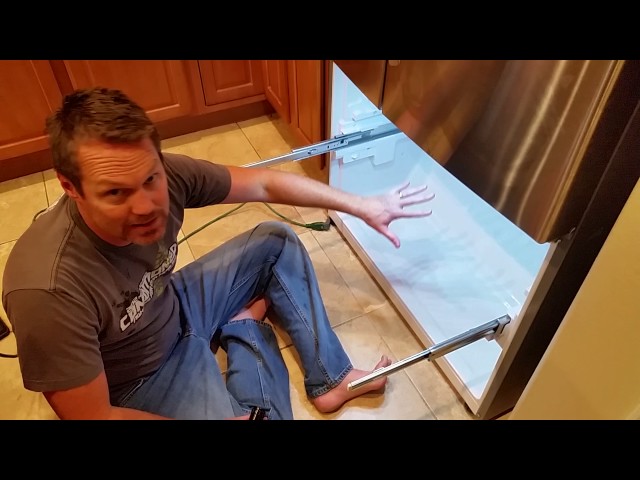
Youtube Video:
Quick Wiring Specifications & Terminal Guide
| Component / Circuit | Standard Wire Gauge | Recommended Protection |
|---|---|---|
| Control & Trigger Signals | 18 – 20 AWG | 5A – 7.5A Inline Fuse |
| Standard Auxiliary Load | 14 – 16 AWG | 15A – 20A Circuit Breaker |
| Main Power Feed / Supply | 10 – 12 AWG | 30A – 40A Heavy-Duty Relay |
Images References
Looking for more diagnostic guides? Explore our complete Refrigerator Problems 4 section for step-by-step troubleshooting solutions.
