Introduction
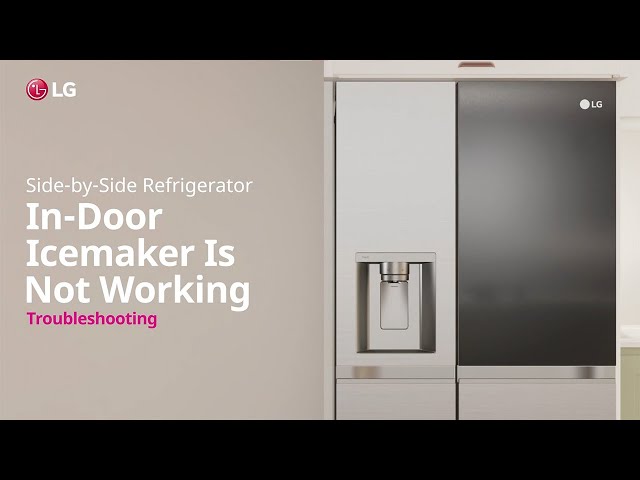
Is your LG door-in-door refrigerator ice maker not producing ice, making small ice cubes, or dispensing ice improperly? This is a common issue that many homeowners face. A malfunctioning ice maker can be a major inconvenience, especially during hot weather or when youre entertaining guests. Addressing this promptly prevents potential food spoilage due to temperature fluctuations and ensures you always have ice on hand. Don’t worry, many ice maker issues can be resolved with a bit of troubleshooting.
Common Causes of LG Door-in-Door Refrigerator Ice Maker Problems
Here are some common culprits behind ice maker problems:
- Frozen Water Line: The water line supplying the ice maker can freeze, blocking water flow.
- Clogged Water Filter: A dirty or old water filter restricts water flow to the ice maker.
- Low Freezer Temperature: If the freezer isn’t cold enough (ideally around 0F or -18C), the ice maker won’t function correctly.
- Ice Jam: Ice cubes can get stuck in the ice maker’s ejector arm or dispenser chute, preventing new ice from being made.
- Faulty Water Inlet Valve: This valve controls the water flow to the ice maker. If it fails, water won’t reach the ice maker.
- Defective Ice Maker Module: The ice maker module controls the entire ice-making process. A faulty module can cause various problems.
- Door Seal Issues: A damaged door seal allows warm air to enter the freezer, causing ice to melt and refreeze, leading to jams.
- Water Pressure Problems: Insufficient water pressure to your refrigerator can affect the ice maker’s ability to function.
Symptoms Checklist
Check if you’re experiencing any of these symptoms:
- No ice production
- Small or hollow ice cubes
- Ice maker overflowing
- Ice dispensing issues
- Unusual noises from the ice maker
- Ice maker producing slushy ice
- Water leaking from the ice maker area
How to Fix LG Door-in-Door Refrigerator Ice Maker Problems Step-by-Step Guide
Follow these steps to troubleshoot your ice maker:
- Check the Freezer Temperature: Ensure the freezer is set to 0F (-18C) or slightly colder. Adjust the temperature if necessary.
- Inspect the Water Filter: Locate the water filter (usually inside the refrigerator compartment or at the bottom front). If it’s been longer than 6 months since the last replacement, replace it.
- Check the Water Line: Look for any kinks or bends in the water line behind the refrigerator. Straighten them out if present.
- Defrost the Water Line: If you suspect a frozen water line, unplug the refrigerator. Use a hairdryer on a low setting to gently warm the water line. Avoid overheating.
- Listen for the Water Valve: After defrosting, plug the refrigerator back in. Listen for the water valve (usually a buzzing sound) as the ice maker attempts to fill. If you don’t hear it, the valve might be faulty.
- Manually Cycle the Ice Maker: Some LG ice makers have a test button. Press and hold this button (usually on the side of the ice maker) for a few seconds to manually start a harvest cycle. Observe if it ejects ice.
- Clear Ice Jams: If ice is jammed, use a plastic utensil (like a spatula) to gently break up the ice and clear the blockage. Avoid using metal tools, as they can damage the ice maker.
- Inspect the Ice Maker Ejector Arm: Make sure the ejector arm (the part that pushes ice out) moves freely and is not obstructed.
- Check the Door Seals: Inspect the door seals around the freezer door. Make sure they are clean and sealing properly. Clean them with a damp cloth if dirty. If damaged, they may need replacement.
- Reset the Ice Maker: Some models have a reset button located on the ice maker. Press it to reset the ice maker.
- Check Water Pressure: If water pressure to your house is low, this could affect the ice maker. Consult a plumber if you suspect low water pressure.
Fix the Issue Without Buying Parts
Many ice maker problems can be resolved without replacing parts:
- Regularly replace the water filter: This is the simplest form of preventative maintenance.
- Manually defrosting the ice maker: Unplug the refrigerator and let the ice maker thaw completely.
- Cleaning the ice maker components: Use a mild detergent and warm water to clean the ice maker bin and components.
- Inspecting and cleaning door seals: Ensure a tight seal to prevent temperature fluctuations.
When Replacement Might Be Necessary
If the troubleshooting steps don’t resolve the issue, you might need to consider replacing parts. Common parts that fail include:
- Water Inlet Valve: $30 – $70
- Ice Maker Module: $80 – $150
- Water Filter Housing: $20 – $50
If these parts are damaged or failing, replacement may be the only solution. Always check the part number and compatibility before ordering a replacement.
Safety Warning
Keep these safety tips in mind:
- Always unplug the refrigerator before performing any repairs.
- Avoid using metal tools near electrical components.
- Be careful when using a hairdryer to thaw frozen water lines.
- If you are uncomfortable performing any of these repairs, contact a qualified appliance repair technician.
Tools You May Need
Here’s a basic tool list:
- Screwdriver (Phillips and flathead)
- Pliers
- Adjustable wrench
- Hairdryer (optional, for thawing)
- Plastic spatula or utensil
- Clean cloths
FAQ
Here are some frequently asked questions:
-
Q: How often should I replace my refrigerator water filter?
A: It’s recommended to replace the water filter every 6 months. -
Q: Why is my ice maker making small ice cubes?
A: This could be due to a clogged water filter, low water pressure, or a frozen water line. -
Q: My ice maker is overflowing. What could be the problem?
A: This could be caused by a faulty water inlet valve or an ice jam preventing proper shut-off. -
Q: How do I reset my LG ice maker?
A: Look for a reset button on the ice maker and press it. If there’s no button, try unplugging the refrigerator for a few minutes and plugging it back in.
Conclusion
Troubleshooting your LG door-in-door refrigerator ice maker can seem daunting, but by following these steps, you can often resolve the issue yourself. Remember to prioritize safety and take your time. If you’ve exhausted these troubleshooting steps and your ice maker is still not working, it might be time to call a qualified appliance repair technician for professional assistance.
Youtube Video:
Looking for more useful options?
Check out recommended resources that others find helpful.