
Introduction
Is your LG refrigerator making more noise than usual? A humming, buzzing, or rattling sound coming from the back or inside could indicate a problem with one of its fans. While not immediately dangerous, a noisy fan can be annoying and could signal a bigger issue if left unchecked. A failing fan might not cool efficiently, leading to food spoilage and higher energy bills. Let’s get to the bottom of it before it becomes a costly repair!. Explore more in our Refrigerator Problems 4 collection.
💡 Technical Key Takeaways:
- Core Focus: Diagnostic schematic and terminal connection layout for Noisy Fan On Lg Refrigerator.
- Target Scope: Field technicians, automotive DIYers, and residential/commercial electricians.
- Safety Rule: Always disconnect the primary power source/battery terminal and verify zero voltage with a multimeter before touching wires.
Common Causes of Noisy Fan on LG Refrigerator
Here are some common reasons why your LG refrigerator fan might be making noise:
- Ice Buildup: Ice can accumulate around the evaporator fan in the freezer, causing the blades to rub and make noise.
- Debris Obstruction: Dust, pet hair, or small objects can get caught in the fan blades, creating a rattling sound.
- Worn Fan Motor: Over time, the fan motor can wear out, leading to increased noise and decreased performance.
- Loose Fan Blades: The fan blades themselves might become loose or damaged, causing them to vibrate or wobble.
- Improper Installation: If the refrigerator isn’t level or properly installed, vibrations can amplify fan noise.
- Condenser Fan Issues: The condenser fan at the back of the refrigerator can become dirty or obstructed, causing it to work harder and louder.
- Fan Mount Problems: The mounting hardware that secures the fan can loosen over time, leading to vibrations.
- Faulty Defrost System: A malfunctioning defrost system can cause excessive ice buildup, impacting the evaporator fan.
Symptoms Checklist
Check if you have one or more of these symptoms:
- Unusual humming or buzzing sounds coming from the refrigerator.
- Rattling or grinding noises emanating from the freezer or the back of the unit.
- The noise gets louder when the refrigerator is running.
- The refrigerator is not cooling as efficiently as it used to.
- Visible ice buildup in the freezer compartment.
- The noise disappears temporarily after a defrost cycle.
How to Fix Noisy Fan on LG Refrigerator Step-by-Step Guide
Follow these steps to troubleshoot and fix a noisy refrigerator fan:
- Unplug the Refrigerator: Always disconnect the power before working on any appliance.
- Locate the Source of the Noise: Determine if the noise is coming from the freezer (evaporator fan) or the back of the refrigerator (condenser fan).
- Access the Evaporator Fan (Freezer): Remove the back panel inside the freezer. You may need a screwdriver. Be careful not to damage any wires.
- Inspect for Ice Buildup: Look for ice accumulation around the fan blades. If present, manually defrost the freezer by leaving the door open for a few hours or using a hairdryer (on low setting and keeping a safe distance) to melt the ice.
- Remove Debris from Evaporator Fan: Clean any dust, dirt, or debris from the fan blades and surrounding area using a soft brush or vacuum cleaner with a brush attachment.
- Manually Spin the Evaporator Fan: Gently rotate the fan blades by hand. If they don’t spin freely or make a grinding noise, the motor might be failing.
- Access the Condenser Fan (Back): Locate the fan at the back of the refrigerator, usually near the bottom.
- Clean the Condenser Fan: Remove any dust, dirt, or debris from the fan blades and surrounding area. A vacuum cleaner with a brush attachment works well.
- Inspect Condenser Fan Blades: Check the blades for damage or cracks. Make sure they are securely attached.
- Check for Obstructions: Ensure nothing is blocking the condenser fan, such as cardboard boxes or other objects.
- Level the Refrigerator: Use a level to ensure the refrigerator is sitting evenly. Adjust the feet at the bottom as needed.
- Reassemble the Refrigerator: Carefully reattach all panels and covers you removed.
- Plug in the Refrigerator: Restore power to the refrigerator.
- Monitor the Noise: Listen to see if the noise is reduced or eliminated.
- Allow Time to Cool: Give the refrigerator a few hours to cool down completely and monitor the fan noise again.
Fix the Issue Without Buying Parts
Before considering replacement parts, try these free methods:
- Defrosting: Regularly defrosting the freezer can prevent ice buildup.
- Cleaning: Keep the condenser coils and fan blades clean to improve airflow.
- Leveling: Ensure the refrigerator is level to reduce vibrations.
- Inspect Surroundings: Make sure nothing is touching the refrigerator that could cause vibrations.
- Reset: Unplugging the refrigerator for 10 minutes can sometimes reset the system.
When Replacement Might Be Necessary
If the noise persists after trying the above steps, the fan motor may be failing. Replacing the fan motor is a relatively straightforward repair. Evaporator fan motor replacements generally cost between $50 and $150. Condenser fan motor replacements are in a similar range. Consider the age of your refrigerator when deciding whether to replace parts or invest in a new appliance. If it’s several years old, further repairs might follow soon. For more related activities, check out our No Frost Fridge Leaking Water.
Safety Warning
- Always unplug the refrigerator before performing any maintenance or repairs.
- Avoid touching any electrical components with wet hands.
- Be careful when using sharp tools or screwdrivers.
- If you are not comfortable performing the repairs yourself, contact a qualified appliance technician.
Tools You May Need
- Screwdrivers (Phillips and flathead)
- Vacuum cleaner with brush attachment
- Soft brush
- Level
- Pliers (optional)
- Work gloves (optional)
FAQ
Here are some frequently asked questions about noisy refrigerator fans:
- Q: Why is my refrigerator fan so loud all of a sudden? A: It could be due to ice buildup, debris obstruction, or a failing fan motor.
- Q: How do I know if it’s the evaporator fan or the condenser fan making the noise? A: The evaporator fan is located inside the freezer, while the condenser fan is at the back of the refrigerator. Listen closely to pinpoint the source.
- Q: Can I still use my refrigerator if the fan is noisy? A: Yes, but it’s best to address the issue as soon as possible to prevent further damage and potential food spoilage.
- Q: How often should I clean my refrigerator’s condenser coils? A: It’s recommended to clean them every 6-12 months.
Conclusion
A noisy fan on your LG refrigerator can be a nuisance, but often it’s a problem you can resolve yourself. By following these steps, you can diagnose the issue, clean or defrost the components, and potentially save yourself a service call. Don’t be afraid to get your hands dirty! If, however, you’ve tried everything and the noise persists, then it’s probably time to call a qualified appliance repair technician. Discover more free resources across our collection library.
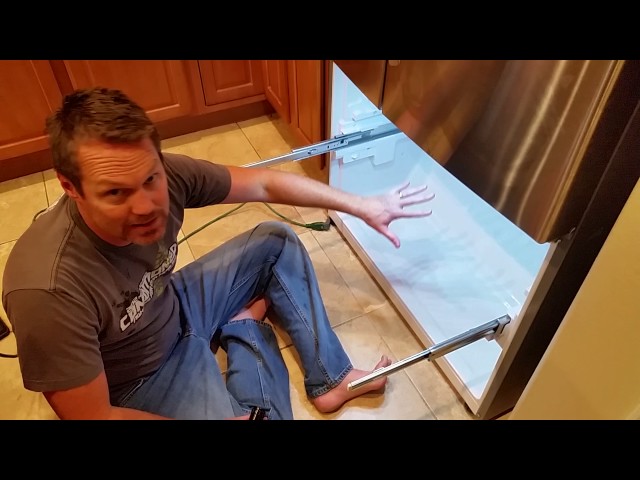
Youtube Video:
Quick Wiring Specifications & Terminal Guide
| Component / Circuit | Standard Wire Gauge | Recommended Protection |
|---|---|---|
| Control & Trigger Signals | 18 – 20 AWG | 5A – 7.5A Inline Fuse |
| Standard Auxiliary Load | 14 – 16 AWG | 15A – 20A Circuit Breaker |
| Main Power Feed / Supply | 10 – 12 AWG | 30A – 40A Heavy-Duty Relay |
