Introduction
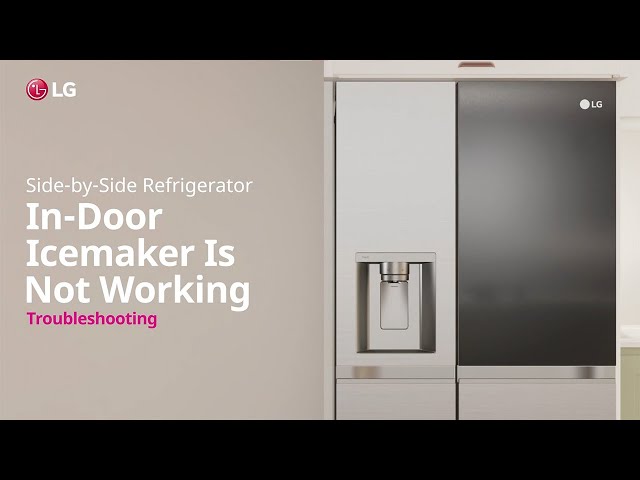
A malfunctioning ice maker can be a real inconvenience, especially during hot weather or when entertaining. Imagine needing ice for a party only to discover your LG ice maker has decided to take a break. This guide is designed to help you, the homeowner, troubleshoot and potentially fix your LG ice maker without needing to call a technician right away. We’ll cover common causes, symptoms, and step-by-step instructions to get your ice maker working again. Addressing the issue promptly can prevent further problems and save you money on costly repairs or replacements.
Common Causes of LG Ice Maker Quit Working
Here are some of the most common reasons why your LG ice maker might have stopped working:
- Frozen Water Line: The water line supplying the ice maker can freeze, blocking the flow of water needed to make ice.
- Clogged Water Filter: A dirty or clogged water filter restricts water flow, impacting ice production.
- Ice Buildup in the Ejector: Ice can accumulate around the ice ejector arms, preventing them from dispensing ice.
- Faulty Water Inlet Valve: This valve controls the flow of water into the ice maker. If it’s defective, water won’t reach the ice maker.
- Incorrect Freezer Temperature: The freezer needs to be at the correct temperature (ideally 0-5F or -18 to -15C) for the ice maker to function properly.
- Ice Maker Arm Position: The ice maker’s shut-off arm might be in the “off” or “up” position, preventing the ice maker from cycling.
- Power Supply Issues: A tripped breaker or power outage can interrupt the ice maker’s operation.
- Defective Ice Maker Module: The ice maker module is the brain of the system. If it fails, the ice maker won’t work.
- Kinked or Damaged Water Line: A kinked or damaged water line can restrict or stop the water flow to the ice maker.
- Air Lock in the Water Line: Trapped air in the water line can prevent water from reaching the ice maker.
Symptoms Checklist
Use this checklist to help identify the specific issue with your LG ice maker:
- No ice production at all.
- Ice maker produces small or crescent-shaped ice.
- Ice maker is making ice very slowly.
- Ice maker is overflowing or leaking water.
- Ice maker is making unusual noises.
- Water dispenser isn’t working either (if applicable).
- Freezer temperature seems too warm.
- Ice maker arm is stuck in the “up” position.
How to Fix LG Ice Maker Quit Working Step-by-Step Guide
Follow these steps to troubleshoot your LG ice maker:
- Check the Freezer Temperature: Ensure your freezer temperature is set between 0-5F (-18 to -15C). Adjust the temperature if necessary.
- Inspect the Ice Maker Arm: Make sure the ice maker’s shut-off arm is in the “down” position. If it’s up, lower it to allow the ice maker to start cycling.
- Check the Water Line: Locate the water line connected to your refrigerator. Ensure it’s not kinked, bent, or damaged. Straighten any kinks or replace the line if damaged.
- Replace the Water Filter: Replace the water filter with a new one. A clogged filter restricts water flow and can prevent ice production. Consult your refrigerator’s manual for the correct filter type and replacement instructions.
- Check the Water Inlet Valve: Locate the water inlet valve (usually behind the refrigerator). Listen for a buzzing sound when the ice maker is supposed to be filling with water. If you don’t hear a buzz, the valve might be faulty. This step may require basic electrical knowledge, if you are not comfortable, skip to the next step.
- Thaw a Frozen Water Line: If you suspect a frozen water line, unplug the refrigerator. You can use a hair dryer (on a low setting) to gently warm the water line. Be careful not to overheat the line. You can also let the refrigerator sit unplugged for a few hours to allow the line to thaw naturally.
- Clear Ice Buildup: Manually remove any ice buildup around the ice ejector arms or in the ice bin. You can use a plastic utensil to carefully break up the ice.
- Restart the Ice Maker: Some LG ice makers have a reset button. Consult your refrigerator’s manual to locate the reset button (usually on the side or bottom of the ice maker). Press and hold the reset button for a few seconds to restart the ice maker.
- Check for Power: Ensure the refrigerator is plugged in and the circuit breaker for the refrigerator hasn’t tripped. Reset the breaker if necessary.
- Listen for Water Filling: After completing these steps, listen carefully when the ice maker is supposed to be filling with water. You should hear water flowing into the ice maker. If you don’t hear any water, there might be a problem with the water supply or the inlet valve.
- Allow Time to Recover: After making changes, allow the ice maker up to 24 hours to start producing ice again.
Fix the Issue Without Buying Parts
Many ice maker problems can be resolved without purchasing new parts. Here are some free methods to try:
- Reset the Ice Maker: Try pressing the reset button on the ice maker module (refer to your manual for location).
- Thorough Cleaning: Clean the ice bin, ice maker compartment, and surrounding areas with a mild soap and water solution.
- Manual Defrost: If ice buildup is a persistent problem, try manually defrosting the freezer to eliminate any hidden ice formations.
- Regular Inspection: Regularly inspect the water line for kinks or damage and the ice maker compartment for ice buildup.
- Proper Maintenance: Replace the water filter every 6 months or as recommended by the manufacturer.
When Replacement Might Be Necessary
If you’ve tried all the troubleshooting steps and your ice maker still isn’t working, a replacement might be necessary. Common parts that fail include the ice maker module (estimated cost: $100-$250 USD), the water inlet valve (estimated cost: $50-$150 USD), or the water filter housing (estimated cost: $30-$80 USD). Before replacing any parts, consider contacting a qualified appliance repair technician for a professional diagnosis.
Safety Warning
- Always unplug the refrigerator before performing any troubleshooting or repairs.
- Avoid working with water near electrical components.
- Be careful when handling tools to avoid injury.
- If you’re not comfortable performing any of these steps, contact a qualified appliance repair technician.
- Do not use sharp objects to remove ice buildup, as this can damage the ice maker.
Tools You May Need
- Screwdriver (Phillips and flathead)
- Adjustable wrench
- Pliers
- Towel or sponge
- Hair dryer (optional, for thawing frozen lines)
- New water filter
FAQ
Here are some frequently asked questions about LG ice maker problems:
-
Q: How often should I replace my water filter?
A: Replace your water filter every 6 months or as recommended by the manufacturer. -
Q: Why is my ice maker making small or crescent-shaped ice?
A: This is usually caused by low water pressure or a clogged water filter. -
Q: How long does it take for a new ice maker to start making ice?
A: It can take up to 24 hours for a new ice maker to start producing ice. -
Q: Why is my ice maker leaking water?
A: This can be caused by a faulty water inlet valve, a clogged drain line, or ice buildup in the ice maker compartment.
Conclusion
Troubleshooting a malfunctioning LG ice maker can seem daunting, but by following these steps, you can often diagnose and fix the problem yourself. Remember to start with the simplest solutions, like checking the freezer temperature and replacing the water filter. If you’ve exhausted all the troubleshooting steps and your ice maker still isn’t working, consider contacting a qualified appliance repair technician. With a little patience and effort, you can get your ice maker back up and running in no time!
Youtube Video:
Looking for more useful options?
Check out recommended resources that others find helpful.