Introduction
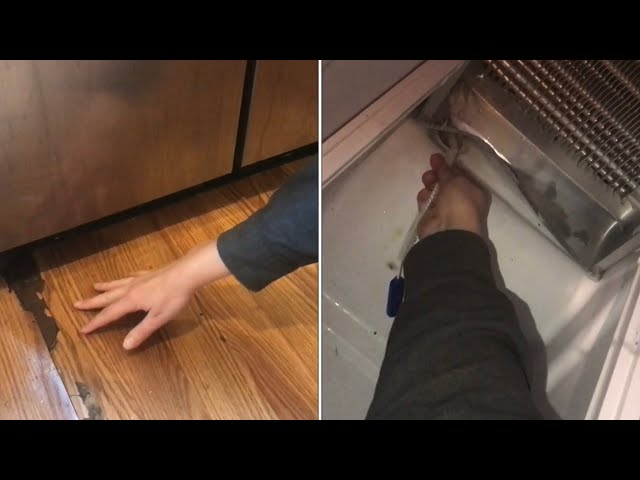
Discovering water leaking from the bottom of your Kenmore side-by-side refrigerator can be concerning. It’s a common problem that many homeowners face, and it’s important to address it promptly. Leaks can lead to floor damage, mold growth, and wasted water. You might notice the leak after filling ice trays, defrosting the freezer, or simply without any obvious reason. Don’t panic! This guide will walk you through the most common causes and provide step-by-step instructions to diagnose and potentially resolve the issue yourself before calling a repair technician.
Common Causes of Kenmore Side-by-Side Refrigerator Leaking Water from Bottom
Here are some of the most frequent culprits behind water leaks in Kenmore side-by-side refrigerators:
- Clogged Defrost Drain: This is the most common cause. During the defrost cycle, melted frost needs to drain away. If the drain is blocked with ice or debris, the water overflows and leaks.
- Frozen Water Line: If the water line to your ice maker or water dispenser freezes, it can expand and crack, causing a leak when it thaws.
- Faulty Water Inlet Valve: This valve controls the flow of water to the ice maker and dispenser. If it’s cracked or malfunctioning, it can leak.
- Cracked Water Filter Housing: The housing that holds your water filter can crack, especially if the filter is overtightened or exposed to extreme temperatures.
- Loose Water Line Connections: The connections where the water lines connect to the refrigerator and the water valve can become loose, leading to drips.
- Damaged Drain Pan: Located at the bottom of the refrigerator, the drain pan collects excess water. If cracked or damaged, it cannot hold the water properly.
- Icemaker Issues: Problems within the icemaker itself, such as cracks or leaks in its components, can contribute to water accumulating and dripping.
- Door Seal Problems: A worn or damaged door seal might let warm, moist air inside. This increases frost buildup, which then melts and leads to more water draining.
Symptoms Checklist
Use this checklist to help identify the problem accurately:
- Water pooling on the floor in front of the refrigerator.
- Water dripping from the bottom of the refrigerator, particularly after defrosting.
- Ice buildup inside the freezer compartment.
- The refrigerator running more frequently than usual.
- Visible cracks or leaks in any of the water lines or components.
- Water stains on the floor near the refrigerator.
- A musty odor coming from underneath the refrigerator.
How to Fix Kenmore Side-by-Side Refrigerator Leaking Water from Bottom Step-by-Step Guide
Follow these steps to troubleshoot and fix the leak:
- Unplug the Refrigerator: Always disconnect the power supply before working on any appliance to prevent electrical shock.
- Locate the Defrost Drain: Inside the freezer, usually at the back wall, near the bottom, you’ll find the defrost drain. It’s often a small hole or opening.
- Melt Ice Buildup: If you see ice blocking the drain, use a hairdryer (on low setting) to carefully melt the ice. Be careful not to melt any plastic parts.
- Clear the Drain: Use a long, flexible object like a pipe cleaner, a small bottle brush, or even a turkey baster to clear any debris from the drain. Gently push the object through the drain to dislodge any clogs.
- Flush the Drain: Mix warm water with a little baking soda. Use a turkey baster or syringe to flush the drain with this solution. This helps to remove any remaining debris.
- Check the Drain Pan: Locate the drain pan (usually at the bottom rear of the refrigerator). Pull it out (if possible) and inspect it for cracks or damage. Empty any water from the pan.
- Inspect Water Lines: Carefully examine all the water lines connected to the refrigerator, including those leading to the ice maker and water dispenser. Look for any signs of cracks, leaks, or loose connections.
- Tighten Connections: If you find any loose connections, gently tighten them using an appropriate wrench. Be careful not to overtighten, as this can damage the fittings.
- Check the Water Filter Housing: Remove the water filter and inspect the housing for cracks or damage. Make sure the filter is properly installed and not overtightened.
- Inspect the Icemaker: Look closely at the icemaker itself for any visible cracks or leaks. Pay attention to areas where water lines connect.
- Examine Door Seals: Check the refrigerator and freezer door seals for any signs of damage, such as tears, cracks, or gaps. A faulty seal can allow warm air to enter, leading to excessive frost buildup.
- Level the Refrigerator: Ensure that the refrigerator is level. An uneven refrigerator can cause water to collect in unexpected places and leak. Use a level to check and adjust the legs as needed.
- Reconnect the Refrigerator: Once you’ve completed all the checks and repairs, plug the refrigerator back in.
- Monitor for Leaks: Observe the refrigerator for a few hours to see if the leak has stopped.
Fix the Issue Without Buying Parts
Before considering replacing parts, try these free methods:
- Refrigerator Reset: Unplug the refrigerator for 30 minutes to reset the system.
- Deep Cleaning: Regularly clean the inside of the refrigerator to prevent debris from accumulating in the drain.
- Defrost Cycle: If ice buildup is a recurring problem, manually initiate the defrost cycle more frequently.
- Regular Inspections: Make it a habit to inspect the drain pan and water lines every few months.
When Replacement Might Be Necessary
If the troubleshooting steps don’t resolve the leak, replacement of certain parts might be necessary. Common parts that fail include the defrost drain heater ($30-$70 USD), the water inlet valve ($40-$80 USD), and the water filter housing ($20-$50 USD). If the drain pan is cracked, it will also need replacing ($20-60 USD). If you are not comfortable with appliance repair, contacting a qualified technician is the best course of action.
Safety Warning
- Always unplug the refrigerator before performing any maintenance or repairs.
- Avoid working on electrical components with wet hands.
- Be cautious when using a hairdryer near plastic parts, as excessive heat can damage them.
- Clean up any spills immediately to prevent slips and falls.
Tools You May Need
- Screwdrivers (Phillips and flathead)
- Wrenches (assorted sizes)
- Pipe cleaner or small bottle brush
- Turkey baster or syringe
- Warm water and baking soda
- Hairdryer
- Level
- Flashlight
FAQ
Here are some common questions about refrigerator leaks:
-
Q: Why is my refrigerator leaking only after I defrost it?
A: This is likely due to a clogged defrost drain. The defrost cycle melts the ice, but the water can’t drain properly, leading to a leak. -
Q: How often should I clean the defrost drain?
A: It’s recommended to clean the defrost drain every 6 months or as needed. -
Q: Can a dirty water filter cause a leak?
A: Not directly, but a clogged filter can increase pressure on the water lines and potentially contribute to leaks. -
Q: How do I know if the water inlet valve is leaking?
A: Check for water dripping from the valve itself, or look for signs of corrosion around the valve.
Conclusion
Troubleshooting a Kenmore side-by-side refrigerator leak can seem daunting, but with a systematic approach, you can often identify and resolve the issue yourself. Start with the simple solutions like clearing the defrost drain and checking the water lines. With this guide, you’re empowered to troubleshoot like a pro. If you’ve exhausted these steps and the leak persists, don’t hesitate to call a qualified appliance repair technician for professional assistance.
Youtube Video:
Looking for more useful options?
Check out recommended resources that others find helpful.