
Introduction
A vibrating refrigerator can be incredibly irritating. Not only is the noise distracting, but it can also be a sign of an underlying issue that could potentially lead to more significant problems down the line. Many homeowners experience this problem when their refrigerator is running, especially when the compressor kicks on or the defrost cycle begins. Addressing the vibration quickly can prevent further damage and ensure your refrigerator continues to run efficiently. It’s better to resolve this sooner rather than later to avoid potential repair costs and food spoilage.
💡 Technical Key Takeaways:
- Core Focus: Diagnostic schematic and terminal connection layout for Lg Refrigerator Vibrating.
- Target Scope: Field technicians, automotive DIYers, and residential/commercial electricians.
- Safety Rule: Always disconnect the primary power source/battery terminal and verify zero voltage with a multimeter before touching wires.
Common Causes of lg refrigerator vibrating
Here are some of the most common reasons why your LG refrigerator might be vibrating:
- Uneven Flooring: The most frequent culprit! If your refrigerator isn’t level, it can vibrate against the floor.
- Loose Components: Over time, screws and bolts holding parts together can loosen, causing vibration.
- Compressor Issues: The compressor is the heart of your fridge, and a failing or unbalanced one can create significant vibrations.
- Fan Problems: Both the condenser fan (near the bottom) and the evaporator fan (inside the freezer) can vibrate if their blades are bent or obstructed.
- Water Line Vibration: If you have an ice maker, the water line connected to it might be vibrating against the fridge or the wall.
- Items on Top or Around the Refrigerator: Objects resting on top or touching the sides of the fridge can amplify vibrations.
- Icemaker Issues: The icemaker itself can be vibrating during ice production.
- Dirty Condenser Coils: Dust and debris buildup on the condenser coils can cause the compressor to work harder, leading to increased vibration.
Symptoms Checklist
Use this list to accurately identify the cause of the vibration:
- Loud humming or buzzing noise coming from the refrigerator.
- Vibration felt when touching the refrigerator’s exterior.
- Increased vibration during the compressor’s operation cycle.
- Rattling noises that seem to come from the back or bottom of the refrigerator.
- Water line rattling sounds (if applicable).
- Noticeable vibration when the ice maker is cycling.
How to Fix lg refrigerator vibrating Step-by-Step Guide
- Check for Level: Use a level on the top of the refrigerator. Adjust the feet (usually located at the bottom front) until the refrigerator is perfectly level. Turn the feet clockwise to raise the fridge and counterclockwise to lower it.
- Tighten Loose Screws: Inspect the back panel, side panels, and any visible screws. Tighten any that are loose. Be careful not to overtighten, as this could strip the screws.
- Inspect the Condenser Fan: Unplug the refrigerator. Locate the condenser fan (usually at the bottom back). Check for any obstructions, such as dust or debris. Gently clean the fan blades. Ensure the fan is securely mounted.
- Inspect the Evaporator Fan: Open the freezer and locate the evaporator fan (usually behind a panel). Unplug the refrigerator first! Check for ice buildup or obstructions. Clean the fan blades carefully. Make sure nothing is touching the blades.
- Check the Water Line: If you have an ice maker, ensure the water line is securely attached and isn’t vibrating against anything. Use foam padding or zip ties to secure it.
- Clear the Top and Sides: Remove anything resting on top of or leaning against the refrigerator.
- Clean Condenser Coils: Unplug the refrigerator. Locate the condenser coils (usually on the back or bottom). Use a vacuum cleaner with a brush attachment to remove dust and debris.
- Check the Drip Pan: The drip pan (usually located under the refrigerator) can sometimes vibrate. Ensure it’s properly seated and secured.
- Inspect Interior Shelves and Drawers: Make sure all shelves and drawers are properly seated and aren’t rattling against each other.
- Compressor Mounting: While more complex, try to visually inspect the compressor mounting. Look for broken or deteriorated rubber dampeners. If you see issues here, consider calling a professional.
- Ice Maker Check: Observe the icemaker during its cycle. If it seems particularly shaky, ensure it’s securely mounted.
- Verify Proper Placement: Ensure the refrigerator isn’t pushed too far back against the wall, which could amplify vibrations.
Fix the Issue Without Buying Parts
Before considering replacements, try these free solutions:
- Refrigerator Reset: Unplug the refrigerator for 5 minutes, then plug it back in. This can sometimes reset the system and resolve minor issues.
- Thorough Cleaning: Clean all accessible components, including fan blades and condenser coils.
- Recalibration (If Applicable): Some LG models have a self-calibration feature. Check your owner’s manual to see if your model has this option.
- Regular Inspection: Regularly check for loose components and clean the condenser coils.
- Proper Maintenance: Keep the refrigerator clean and well-maintained to prevent future issues.
When Replacement Might Be Necessary
If the vibration persists after trying the above steps, the compressor itself might be failing. Replacing the compressor is a complex and expensive repair, potentially costing $300-$700 USD, including labor. Other parts that might require replacement include the condenser fan motor ($50-$150 USD) or the evaporator fan motor ($40-$120 USD). Before replacing any major component, it is recommended to seek professional diagnosis. For more related activities, check out our My Fridge Is Not Making Any Sound.
Safety Warning
- Always unplug the refrigerator before performing any repairs.
- Avoid working on electrical components with wet hands or on a wet floor.
- Be cautious when handling sharp objects, such as fan blades.
- If you are uncomfortable with any repair, contact a qualified technician.
Tools You May Need
- Screwdriver (Phillips and Flathead)
- Level
- Vacuum Cleaner with Brush Attachment
- Wrench or Adjustable Pliers
- Foam Padding or Zip Ties
- Gloves
FAQ
-
Q: Why is my refrigerator vibrating more now than before?
A: Components can loosen over time, dirt can accumulate, or the compressor might be working harder due to other issues. -
Q: Can vibration damage my refrigerator?
A: Yes, prolonged vibration can lead to further damage and potentially shorten the refrigerator’s lifespan. -
Q: How often should I clean the condenser coils?
A: Ideally, clean them every 6 months to ensure optimal performance. -
Q: Is it normal for my refrigerator to vibrate slightly?
A: Some vibration is normal, especially when the compressor kicks on. However, excessive vibration should be addressed. -
Q: The vibration only happens when the ice maker is running. What does that mean?
A: Focus your troubleshooting efforts on the ice maker itself. Check the mounting screws and ensure nothing is obstructing its operation.
Conclusion
Don’t let that vibrating refrigerator drive you crazy! By following these simple steps, you can often resolve the issue yourself and save money on repair costs. Remember to prioritize safety and consult a professional if you’re unsure about any repair. A little DIY effort can go a long way in keeping your refrigerator running smoothly.
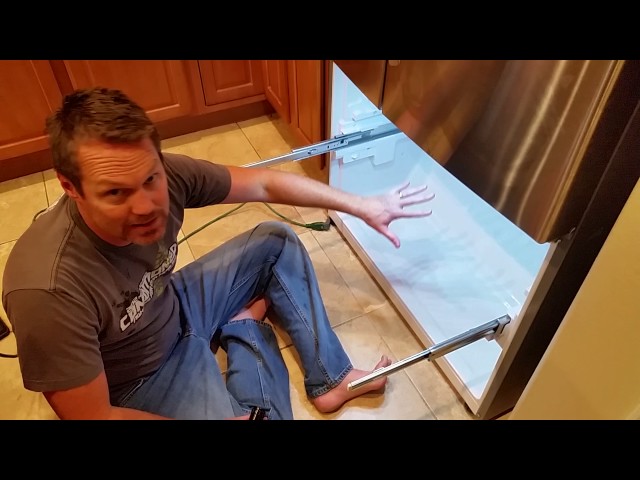
Youtube Video:
Quick Wiring Specifications & Terminal Guide
| Component / Circuit | Standard Wire Gauge | Recommended Protection |
|---|---|---|
| Control & Trigger Signals | 18 – 20 AWG | 5A – 7.5A Inline Fuse |
| Standard Auxiliary Load | 14 – 16 AWG | 15A – 20A Circuit Breaker |
| Main Power Feed / Supply | 10 – 12 AWG | 30A – 40A Heavy-Duty Relay |
Images References
Looking for more diagnostic guides? Explore our complete Refrigerator Problems 4 section for step-by-step troubleshooting solutions.
