Introduction
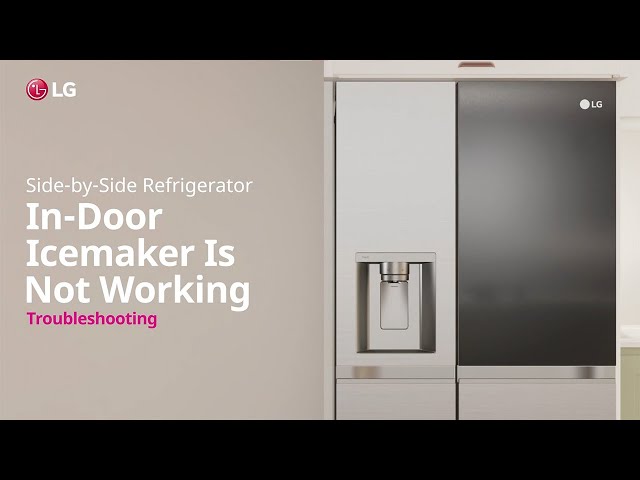
An LG refrigerator’s ice dispenser is a convenient feature, providing readily available ice on demand. When it stops working, it can be a real inconvenience, especially during hot weather or when you’re entertaining. Often, the problem is a simple fix that doesn’t require a technician. This guide will walk you through common causes and easy troubleshooting steps to get your ice flowing again. Don’t delay let’s get your ice maker back in action!
Common Causes of lg fridge ice not dispensing
Here are some of the most frequent reasons why your LG fridge isn’t dispensing ice:
- Frozen Ice: Ice clumps together in the ice bin, blocking the dispenser.
- Ice Maker is Off: The ice maker might have been accidentally turned off.
- Water Supply Issue: A kinked or frozen water line prevents water from reaching the ice maker.
- Clogged Water Filter: A dirty filter restricts water flow to the ice maker.
- Ice Bucket Stuck: The ice bucket may not be properly seated or is obstructed.
- Faulty Solenoid Valve: The water inlet valve that controls water flow may be defective.
- Defective Ice Maker Motor: The motor that pushes ice through the dispenser may be broken.
- Dispenser Switch Problem: The switch that activates the dispenser may be faulty.
Symptoms Checklist
Use this checklist to narrow down the issue:
- No ice is dispensed when you press the dispenser lever.
- You hear a motor running, but no ice comes out.
- You hear no sound at all when you press the dispenser lever.
- The ice maker isn’t producing any ice.
- Ice cubes are small or misshapen.
- Water is dispensing, but no ice.
How to Fix lg fridge ice not dispensing Step-by-Step Guide
Follow these steps to troubleshoot your ice dispenser:
- Check the Ice Maker Switch: Make sure the ice maker is turned ON. It’s usually located inside the refrigerator compartment, near the ice maker. The switch can be accidentally turned off.
- Check for Frozen Ice: Open the ice compartment and check for a large clump of ice. If present, remove the ice bin and break up the ice. Use a plastic utensil, not a metal one, to avoid damaging the bin.
- Reset the Fridge: Unplug your refrigerator for 5-10 minutes. This can reset the system and resolve minor glitches. Plug it back in and wait a few hours for the ice maker to start producing ice.
- Inspect the Water Line: Check the water line that supplies water to the fridge. Look for any kinks or bends that might be restricting water flow. Straighten out any kinks you find.
- Check the Water Filter: Replace the water filter. A clogged filter can significantly reduce water pressure. Refer to your fridge’s manual for the correct filter and replacement instructions.
- Make sure Ice Bucket is Seated: Pull out the ice bucket and ensure it is properly seated in the dispenser mechanism. Sometimes it needs a little push or alignment to engage correctly.
- Test the Dispenser Paddel: Press and release the dispenser paddle several times to check if it is moving freely and activating the dispenser mechanism.
- Manually Cycle the Ice Maker: Some LG refrigerators have a test button on the ice maker. Hold this button down to manually cycle the ice maker and force it to eject ice. If it works, it may be a sensor issue.
- Listen for the Solenoid Valve: When you press the dispenser lever, listen for a buzzing or clicking sound from the back of the fridge near the water inlet. This indicates the solenoid valve is trying to open. If you hear nothing, it may be a faulty valve.
- Check Ice Maker Arm: Make sure the ice maker arm is in the “down” position. If it’s stuck in the “up” position, the ice maker won’t produce ice.
- Check the Freezer Temperature: Ensure the freezer temperature is set correctly, typically between 0F and 5F (-18C and -15C). If it’s too warm, the ice won’t freeze properly.
- Give It Time: After performing these steps, give the ice maker 24 hours to produce ice.
Fix the Issue Without Buying Parts
Before considering replacement parts, try these free fixes:
- Manual Defrost: If you suspect a frozen water line inside the freezer, try manually defrosting the freezer for several hours.
- Cleaning: Clean the ice bin regularly to prevent ice clumps from forming.
- Ensure Proper Ventilation: Make sure the refrigerator vents inside are not blocked by food items, as this can affect cooling and ice production.
- Check Settings: Double-check all your refrigerator settings to ensure they are properly configured for ice production.
When Replacement Might Be Necessary
If the above steps don’t resolve the issue, a replacement part might be needed. Here are a few common parts that can fail, along with estimated costs (USD):
- Water Inlet Valve: $30 – $70
- Ice Maker Assembly: $100 – $250
- Dispenser Motor: $50 – $150
Consider consulting a qualified appliance repair technician before replacing any parts. They can diagnose the issue accurately and recommend the best course of action.
Safety Warning
- Always unplug the refrigerator before attempting any repairs.
- Avoid working on electrical components if you are not comfortable.
- Be careful when handling tools to avoid injury.
- Clean up any spilled water or ice to prevent slips and falls.
Tools You May Need
- Screwdriver (Phillips and Flathead)
- Pliers
- Towel
- Bucket or container (to catch water)
FAQ
Here are some frequently asked questions about ice dispenser problems:
-
Q: Why is my ice maker making ice, but not dispensing it?
A: The ice may be frozen together, or there could be an issue with the dispenser motor or switch. -
Q: How often should I change my refrigerator’s water filter?
A: Typically, every 6 months, or as indicated by the filter replacement indicator light. -
Q: How do I know if my water inlet valve is bad?
A: If you hear no sound from the valve when you activate the dispenser, or if there is no water flowing to the ice maker, it may be faulty. -
Q: My ice maker is overflowing. What’s wrong?
A: It’s possible the water inlet valve is stuck open, allowing too much water to flow into the ice maker.
Conclusion
Troubleshooting your LG refrigerator’s ice dispenser can often be resolved with a few simple steps. We encourage you to try these methods first to save time and money. If the problem persists after following these steps, it might be time to call a qualified appliance repair technician for professional assistance. Happy ice dispensing!
Youtube Video:
Looking for more useful options?
Check out recommended resources that others find helpful.