
Introduction
Is your LG refrigerator suddenly buzzing? That annoying sound can be disruptive and worrying. While it doesn’t always mean a major problem, it’s important to address it quickly. A constant buzzing sound from your refrigerator can indicate a minor issue that could worsen over time, potentially leading to food spoilage or a more expensive repair down the road. Don’t panic! Many causes of a buzzing refrigerator are simple to diagnose and fix yourself. Let’s investigate what might be causing this noise. Explore more in our Refrigerator Problems 4 collection.
💡 Technical Key Takeaways:
- Core Focus: Diagnostic schematic and terminal connection layout for Lg Refrigerator Buzzing Noise.
- Target Scope: Field technicians, automotive DIYers, and residential/commercial electricians.
- Safety Rule: Always disconnect the primary power source/battery terminal and verify zero voltage with a multimeter before touching wires.
Common Causes of LG Refrigerator Buzzing Noise
Here are some of the most frequent culprits behind that buzzing sound:
- Loose Condenser Fan: The condenser fan cools the compressor. If something obstructs the fan or its mounting is loose, it can buzz.
- Icemaker Issues: The icemaker has a small motor that can buzz, especially if it’s trying to cycle but is jammed.
- Water Inlet Valve: This valve controls the flow of water to the icemaker and water dispenser. It can buzz when it’s malfunctioning or partially blocked.
- Compressor Relay: The compressor relay starts the compressor motor. A failing relay can make a buzzing sound before it completely fails.
- Dirty Condenser Coils: Dust and debris on the condenser coils force the refrigerator to work harder, sometimes causing the compressor to buzz louder.
- Defrost Timer/Heater: A failing defrost timer or a malfunctioning defrost heater can cause unusual noises, including buzzing.
- Refrigerator Not Level: An unlevel refrigerator can cause vibrations that translate into a buzzing sound.
- Items Touching: Sometimes, items inside or behind the refrigerator can vibrate against each other, creating a buzzing noise.
Symptoms Checklist
Use this checklist to pinpoint the issue:
- Buzzing noise coming from the back of the refrigerator.
- Buzzing noise only occurs when the icemaker is cycling.
- Buzzing noise seems to be louder at certain times of the day.
- The refrigerator is also making other unusual noises (e.g., clicking, rattling).
- The refrigerator is not cooling as efficiently as usual.
- The buzzing noise stops when the refrigerator door is opened.
How to Fix LG Refrigerator Buzzing Noise Step-by-Step Guide
Follow these steps to troubleshoot the buzzing sound:
- Unplug the Refrigerator: Before you start any work, unplug the refrigerator from the power outlet for safety.
- Inspect the Condenser Fan: Locate the condenser fan (usually at the back of the refrigerator, near the bottom). Remove the access panel. Check for obstructions like dust, debris, or ice. Clean the fan blades and ensure they spin freely.
- Clean the Condenser Coils: Use a vacuum cleaner with a brush attachment to clean the condenser coils. These are usually located on the back or bottom of the refrigerator.
- Check the Icemaker: If the buzzing seems to come from the icemaker, try manually cycling it. Empty any ice and observe if the noise persists. Ensure no ice is stuck or blocking the mechanism.
- Examine the Water Inlet Valve: The water inlet valve is usually located behind the refrigerator, near the water supply line. Check for leaks or mineral buildup. Gently tap the valve to see if the buzzing stops.
- Level the Refrigerator: Use a level to check if the refrigerator is properly leveled. Adjust the leveling feet at the bottom until it is.
- Check for Vibrating Items: Make sure that no items inside or behind the refrigerator are touching each other and vibrating.
- Listen to the Compressor: The compressor is usually at the bottom rear of the refrigerator. Listen closely to see if the buzzing is coming from the compressor area.
- Inspect the Compressor Relay: The compressor relay is a small component attached to the compressor. If you suspect it’s the issue, you may need to consult with a professional for testing, as it involves electrical components.
- Check the Defrost System: Listen for buzzing around the defrost timer (often located near the compressor) or the defrost heater (inside the freezer). If possible visually inspect the heater element after unplugging the unit, and allowing any frost to melt.
- Plug the Refrigerator Back In: After completing the above steps, plug the refrigerator back in and observe if the buzzing noise is gone.
- Monitor the Refrigerator: Keep an eye (and ear) on the refrigerator for a day or two to ensure the buzzing doesn’t return.
Fix the Issue Without Buying Parts
Often, you can resolve the buzzing noise without needing to buy new parts:
- Reset: Unplug the refrigerator for 30 minutes to reset its system.
- Cleaning: Thoroughly clean the condenser coils, fan blades, and any accessible components.
- Recalibration (If Applicable): Some LG refrigerators have calibration settings. Consult your owner’s manual to see if recalibrating the refrigerator is an option.
- Inspection Tips: Regularly inspect the refrigerator for ice buildup, loose parts, or obstructions.
- Maintenance Basics: Keep the refrigerator clean, well-ventilated, and properly leveled to prevent future issues.
When Replacement Might Be Necessary
If the buzzing persists after trying the above steps, a component might be failing:
- Compressor Relay: Replacement can cost around $50-$150.
- Water Inlet Valve: Replacement can cost around $30-$100.
- Condenser Fan Motor: Replacement can cost around $50-$150.
- Icemaker Assembly: Replacement can cost around $100-$300.
- Compressor: Compressor replacement is a significant repair and typically costs $300-$800. If the compressor is failing, it may be more cost-effective to replace the entire refrigerator.
Safety Warning
Follow these safety precautions:
- Always unplug the refrigerator before performing any maintenance or repairs.
- Avoid working on electrical components if you are not comfortable doing so. Consult a qualified technician.
- Keep the area around the refrigerator dry to prevent electric shock.
- If you are handling the compressor or its components, be aware that they can get hot.
Tools You May Need
Here’s a list of helpful tools:
- Screwdrivers (Phillips and flathead)
- Vacuum cleaner with brush attachment
- Level
- Wrench (for water line connections)
- Gloves
FAQ
Here are some frequently asked questions:
- Q: Why is my LG refrigerator buzzing even when the door is closed? A: It could be the condenser fan, compressor relay, or water inlet valve. Follow the troubleshooting steps above.
- Q: How often should I clean the condenser coils? A: At least every six months, or more often if you have pets or a dusty environment.
- Q: Can I replace the compressor myself? A: Replacing the compressor is a complex repair that requires specialized tools and knowledge. It is best left to a qualified technician.
- Q: What if the buzzing noise is intermittent? A: Intermittent buzzing can be caused by a loose component or a failing part. Continue to monitor the refrigerator and try to identify the source of the noise.
Conclusion
A buzzing LG refrigerator can be annoying, but often the fix is simple. By following these steps, you should be able to diagnose and resolve the issue yourself. Remember to prioritize safety and consult a qualified technician if you’re uncomfortable with any part of the repair process. Don’t hesitate to give these steps a try before calling for professional help! It could save you time and money. For more related activities, check out our My Lg Refrigerator Is Not Making Enough Ice.
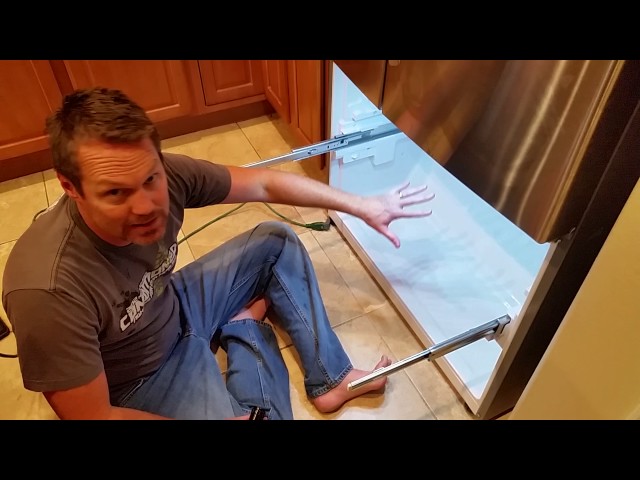
Youtube Video:
Quick Wiring Specifications & Terminal Guide
| Component / Circuit | Standard Wire Gauge | Recommended Protection |
|---|---|---|
| Control & Trigger Signals | 18 – 20 AWG | 5A – 7.5A Inline Fuse |
| Standard Auxiliary Load | 14 – 16 AWG | 15A – 20A Circuit Breaker |
| Main Power Feed / Supply | 10 – 12 AWG | 30A – 40A Heavy-Duty Relay |
