Introduction
An LG refrigerator with a bottom-mounted ice maker is a convenient appliance, providing readily available ice. However, a malfunctioning ice maker can be a major inconvenience, especially during hot weather or when you need ice for entertaining. This guide will walk you through common causes and troubleshooting steps to get your LG bottom ice maker back in action. Addressing this issue promptly can prevent food spoilage and the hassle of manually making ice.
Common Causes of lg bottom ice maker not working
Here are some reasons why your LG bottom ice maker might not be working:
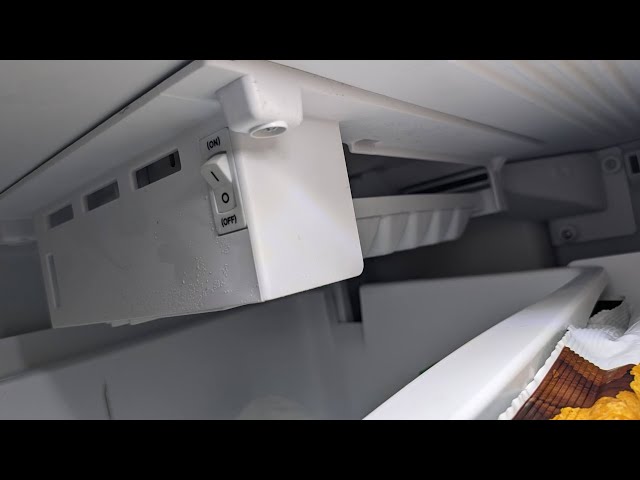
- Ice Maker is Turned Off: The most common cause is simply that the ice maker switch is set to “off.”
- Water Supply Issue: A kinked or frozen water line can prevent water from reaching the ice maker.
- Low Water Pressure: Insufficient water pressure might not allow the ice maker to fill properly.
- Frozen Fill Tube: The tube that delivers water to the ice maker can freeze, blocking water flow.
- Faulty Water Inlet Valve: This valve controls the flow of water to the ice maker and can fail over time.
- Ice Jam: Ice cubes can get stuck in the ice maker, preventing it from functioning.
- Faulty Ice Maker Module: The module controls the ice-making cycle, and a faulty module can stop production.
- Temperature Setting: If the freezer temperature is too warm, the ice maker won’t function properly.
- Full Ice Bin Sensor Issue: The sensor might incorrectly detect that the ice bin is full, even when it’s not.
- Power Outage/Surge: A recent power event may have affected the ice maker’s operation.
Symptoms Checklist
Check these indicators to pinpoint the problem:
- No ice production at all.
- Ice cubes are small or hollow.
- Ice maker is making unusual noises.
- Water is leaking from the ice maker area.
- Ice maker is overflowing.
- The ice bin isn’t filling up, even after several hours.
- The ice maker cycles but doesn’t eject ice.
- Error code displayed on the refrigerator’s control panel.
How to Fix lg bottom ice maker not working Step-by-Step Guide
Follow these steps to troubleshoot your ice maker:
- Check the Power: Make sure the refrigerator is plugged in and receiving power.
- Turn On the Ice Maker: Locate the ice maker switch (usually on the control panel or inside the ice maker compartment) and ensure it’s in the “on” position.
- Inspect the Water Line: Check the water supply line behind the refrigerator for kinks or damage. Straighten any kinks and ensure the line is properly connected.
- Check Water Pressure: Ensure your home’s water pressure is adequate. Low pressure can affect ice maker performance.
- Defrost the Fill Tube: If you suspect a frozen fill tube, unplug the refrigerator and allow it to defrost for several hours. You can also use a hairdryer on low heat to gently thaw the tube.
- Inspect the Ice Bin: Remove the ice bin and check for ice jams or obstructions. Clear any blockages.
- Reset the Ice Maker: Locate the reset button (usually on the bottom or side of the ice maker module) and press it. This can sometimes resolve minor issues. Hold the reset button for 3-5 seconds.
- Check the Freezer Temperature: Ensure the freezer temperature is set to the recommended range (typically 0F to 5F or -18C to -15C).
- Clean the Ice Maker: Periodically clean the ice maker with a mild soap and water solution to remove mineral buildup. Rinse thoroughly.
- Inspect the Water Filter: A clogged water filter can restrict water flow. Replace the water filter according to the manufacturer’s recommendations.
- Check the Ice Level Sensor: Remove any ice from the bin and ensure the sensor arm (if equipped) moves freely. Sometimes accumulated ice prevents accurate reading.
- Listen for Sounds: After a reset, listen for the sound of water filling the ice maker. This indicates the water inlet valve is functioning.
- Give it Time: After making adjustments, allow the ice maker 24-48 hours to resume normal ice production.
- Check Error Codes: Consult your refrigerator’s manual for any error codes displayed on the control panel and their corresponding troubleshooting steps.
Fix the Issue Without Buying Parts
Many ice maker issues can be resolved without replacing parts:
- Reset the Ice Maker: Pressing the reset button can often clear temporary glitches.
- Defrosting: Allowing the freezer to defrost can resolve frozen water lines.
- Cleaning: Regular cleaning prevents mineral buildup and ice jams.
- Water Filter Check: Ensuring a clean water filter allows for proper water flow.
- Visual Inspection: Thoroughly inspect water lines and ice maker components for any obvious obstructions or damage.
- Maintenance Basics: Keep the freezer properly organized to ensure good air circulation.
When Replacement Might Be Necessary
If troubleshooting steps don’t resolve the issue, replacement might be necessary. Common parts that fail include the water inlet valve, ice maker module, and the water filter housing. The cost to replace these parts can range from $50 to $200 USD, depending on the part and model of the refrigerator. Hiring a technician may add an additional $100 to $300 USD for labor.
Safety Warning
- Always unplug the refrigerator before performing any maintenance or repairs.
- Avoid working on the refrigerator with wet hands or on a wet floor to prevent electric shock.
- Be careful when handling sharp tools or components.
Tools You May Need
- Screwdrivers (Phillips and flathead)
- Pliers
- Adjustable wrench
- Hairdryer (for defrosting)
- Soft cloths
- Mild soap
FAQ
Here are some frequently asked questions about LG bottom ice makers:
- Q: How long does it take for an ice maker to make ice? A: Typically, it takes 2-4 hours for a new batch of ice to be produced.
- Q: Why is my ice maker making small or hollow ice cubes? A: This is often due to low water pressure or a clogged water filter.
- Q: How do I clean my ice maker? A: Unplug the refrigerator, remove the ice bin, and wipe down the ice maker components with a mild soap and water solution. Rinse thoroughly.
- Q: Where is the ice maker reset button located? A: It’s usually on the bottom or side of the ice maker module. Consult your refrigerator’s manual for the exact location.
Conclusion
Troubleshooting an LG bottom ice maker can be a straightforward process. By following these steps, you can often resolve the issue yourself and avoid costly repairs. If you’ve tried all the troubleshooting steps and the ice maker still isn’t working, it might be time to consult a qualified appliance technician. But give the DIY approach a good try first!
Youtube Video:
Looking for more useful options?
Check out recommended resources that others find helpful.