
Introduction
A refrigerator is a vital appliance, and an LG refrigerator is known for its innovative linear compressor. However, if you notice unusual noises coming from your LG fridge, particularly a humming, buzzing, clicking, or rattling sound, it’s often related to the linear compressor. While some noise is normal, excessive or new sounds shouldn’t be ignored. Addressing compressor noise early can prevent more significant problems and costly repairs down the line, ensuring your food stays fresh and your refrigerator continues to operate efficiently. It’s best to investigate the noise as soon as you notice it to prevent further damage to the appliance.
💡 Technical Key Takeaways:
- Core Focus: Diagnostic schematic and terminal connection layout for Lg Linear Compressor Noise.
- Target Scope: Field technicians, automotive DIYers, and residential/commercial electricians.
- Safety Rule: Always disconnect the primary power source/battery terminal and verify zero voltage with a multimeter before touching wires.
Common Causes of LG Linear Compressor Noise
Here are some common reasons why your LG linear compressor might be making noise:
- New Refrigerator Startup: New refrigerators sometimes make more noise as they settle and the compressor breaks in.
- Improper Leveling: An unlevel refrigerator can cause vibrations that amplify compressor noise.
- Loose Components: Parts like fans, tubing, or mounting brackets may vibrate against the compressor or the refrigerator’s frame.
- Ice Buildup: Excessive ice formation around the evaporator fan or compressor can cause noise as the fan blades hit the ice.
- Dirty Condenser Coils: Dust and debris on the condenser coils can make the compressor work harder, increasing noise.
- Compressor Relay/Start Capacitor Issues: A failing relay or capacitor can cause the compressor to struggle to start, leading to unusual sounds.
- Refrigerant Leaks: Low refrigerant levels can cause the compressor to overwork, resulting in increased noise and inefficiency.
- Internal Compressor Damage: In rare cases, the internal components of the compressor itself can become damaged, generating significant noise.
- Refrigerator Overload: Overfilling the refrigerator forces the compressor to work harder, increasing the noise it generates.
Symptoms Checklist
Look for these signs that your LG linear compressor noise needs attention:
- Unusual humming, buzzing, clicking, or rattling sounds coming from the back or bottom of the refrigerator.
- Noises that are significantly louder or more frequent than usual.
- The refrigerator not cooling as efficiently as it used to.
- Ice buildup inside the refrigerator or freezer.
- The refrigerator running more often than normal.
- The refrigerator vibrating excessively.
How to Fix LG Linear Compressor Noise Step-by-Step Guide
Follow these steps to troubleshoot and potentially fix the noise:
- Listen Carefully: Pinpoint the exact location of the noise. Is it coming from the back, bottom, or inside the fridge?
- Check Leveling: Use a level to ensure the refrigerator is level from side to side and front to back. Adjust the feet underneath the refrigerator until it’s stable.
- Inspect for Loose Items: Check for items on top or around the refrigerator that could be vibrating. Move them away.
- Clean Condenser Coils: Locate the condenser coils (usually on the back or bottom of the refrigerator). Unplug the refrigerator. Use a vacuum cleaner with a brush attachment to remove dust and debris from the coils.
- Defrost the Refrigerator: If you suspect ice buildup, manually defrost the refrigerator. Turn it off, remove all food, and leave the door open for 24 hours. Place towels to catch any water.
- Check the Fan: With the refrigerator unplugged, locate the evaporator fan (usually inside the freezer compartment) and the condenser fan (near the compressor). Make sure they are free of obstructions and can spin freely. Clean them if necessary.
- Examine Tubing: Check the refrigerant lines (copper or aluminum tubes) at the back of the refrigerator. Make sure they aren’t vibrating against other components. Gently bend them away if necessary.
- Tighten Screws: Inspect the compressor mounting brackets and other visible screws. Tighten any that are loose.
- Check the Drain Pan: Locate the drain pan (usually near the compressor). Make sure it’s properly positioned and not overflowing with water.
- Reset the Refrigerator: Unplug the refrigerator for 5 minutes, then plug it back in. This can sometimes reset the compressor and resolve minor issues.
- Observe the Compressor Start-Up: Listen carefully when the compressor starts. Does it sound labored or strained? This might indicate a more serious problem.
- Check the Voltage: Ensure the refrigerator is plugged into a dedicated circuit with the correct voltage. Low voltage can strain the compressor.
Fix the Issue Without Buying Parts
Here are some things you can try that don’t involve purchasing new parts:
- Reset the Refrigerator: As mentioned above, unplugging and plugging the refrigerator back in can sometimes resolve minor issues.
- Thorough Cleaning: Cleaning the condenser coils and the interior of the refrigerator can improve efficiency and reduce noise.
- Proper Leveling: Ensuring the refrigerator is perfectly level can minimize vibrations.
- Regular Inspection: Periodically check for loose components or ice buildup.
- Avoid Overloading: Don’t overfill the refrigerator, as this forces the compressor to work harder.
When Replacement Might Be Necessary
If you’ve tried all the troubleshooting steps and the noise persists, or if the refrigerator is not cooling properly, the compressor itself might be failing. Replacing a compressor is a complex and expensive repair, typically ranging from $300 to $800 USD, including labor. Commonly failing parts associated with compressor issues include the compressor relay, start capacitor, or the compressor itself.
Safety Warning
Before attempting any troubleshooting or repairs, please heed these safety precautions:
- Always unplug the refrigerator from the power outlet before starting any work.
- Avoid working with wet hands or on wet floors to prevent electric shock.
- If you are uncomfortable with electrical repairs, consult a qualified appliance technician.
- Be careful when handling sharp tools or components to avoid injury.
Tools You May Need
Here’s a list of tools you might find helpful:
- Screwdrivers (Phillips and flathead)
- Level
- Vacuum cleaner with brush attachment
- Wrench set
- Multimeter (for electrical testing optional)
- Gloves
- Flashlight
FAQ
Here are some frequently asked questions about LG linear compressor noise:
- Q: Is some compressor noise normal? A: Yes, refrigerators make some noise during operation. However, excessive or new noises should be investigated.
- Q: Why is my refrigerator making a clicking noise? A: Clicking noises can be caused by the compressor relay starting or stopping.
- Q: What does a failing compressor sound like? A: A failing compressor might make loud humming, buzzing, or rattling noises, and the refrigerator might not cool properly.
- Q: How often should I clean the condenser coils? A: It’s recommended to clean the condenser coils every 6 months to a year.
- Q: Can I replace the compressor myself? A: Replacing a compressor is a complex repair that requires specialized tools and knowledge. It’s best left to a qualified technician.
- Q: My fridge is still under warranty. What should I do? A: Contact LG or the retailer where you purchased the refrigerator to inquire about warranty service.
Conclusion
Addressing LG linear compressor noise promptly can save you from costly repairs and extend the life of your refrigerator. By following this troubleshooting guide, you can identify and potentially resolve the issue yourself. However, if you’re uncomfortable with any of the steps or if the problem persists, don’t hesitate to contact a qualified appliance technician for professional assistance.
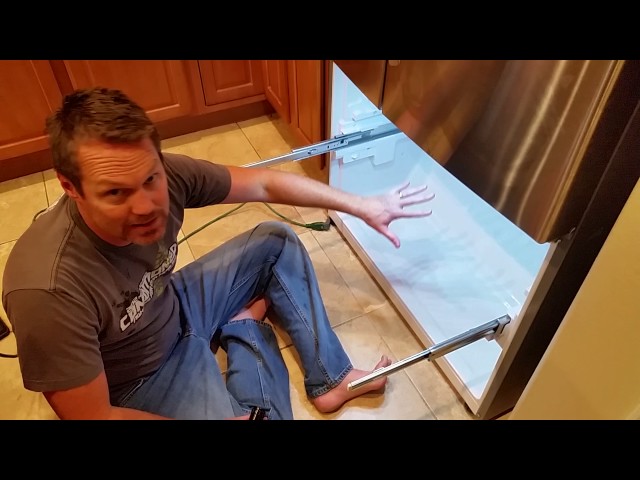
Youtube Video:
Quick Wiring Specifications & Terminal Guide
| Component / Circuit | Standard Wire Gauge | Recommended Protection |
|---|---|---|
| Control & Trigger Signals | 18 – 20 AWG | 5A – 7.5A Inline Fuse |
| Standard Auxiliary Load | 14 – 16 AWG | 15A – 20A Circuit Breaker |
| Main Power Feed / Supply | 10 – 12 AWG | 30A – 40A Heavy-Duty Relay |
Images References
Looking for more diagnostic guides? Explore our complete Refrigerator Problems 4 section for step-by-step troubleshooting solutions.
