Introduction
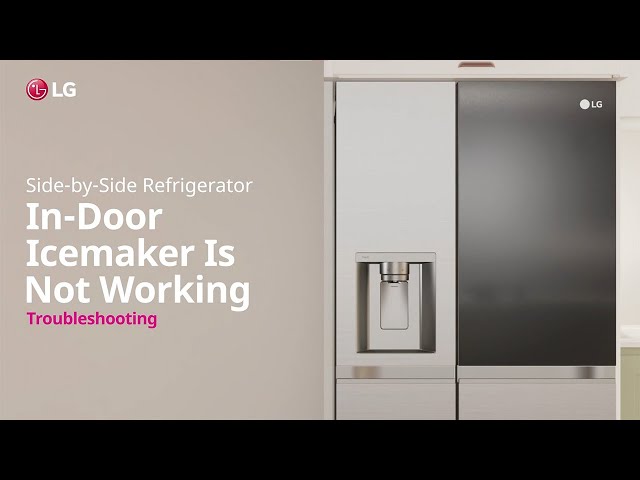
Discovering that your LG refrigerator isn’t making ice can be frustrating. Ice is essential for keeping drinks cold, cooling injuries, and many other everyday needs. When your ice maker stops working, it can disrupt your routine. This guide will walk you through simple steps to troubleshoot the problem, so you can get your ice maker working again quickly.
Common Causes of My LG Fridge Isn’t Making Ice
Here are some of the most frequent reasons why your LG ice maker might be on strike:
- Ice Maker is Turned Off: It sounds simple, but sometimes the ice maker switch is accidentally turned off.
- Water Line is Frozen: A frozen water line prevents water from reaching the ice maker.
- Water Filter is Clogged: A dirty filter restricts water flow, impacting ice production.
- Low Water Pressure: Insufficient water pressure can hinder the ice-making process.
- Ice Jam: Ice can accumulate in the ice maker, blocking the ejection mechanism.
- Faulty Water Inlet Valve: This valve controls the water supply to the ice maker; if it fails, no water gets through.
- Defective Ice Maker Module: The module controls the entire ice-making cycle, and a defect can stop it.
- Freezer Temperature Too High: The freezer needs to be cold enough to freeze water into ice.
- Kinked or Damaged Water Line: A physical obstruction in the water line will prevent water from flowing freely.
Symptoms Checklist
Use these indicators to help pinpoint the cause:
- No ice production at all.
- Ice maker is making ice very slowly.
- Ice cubes are small or misshapen.
- Water dispenser is also not working.
- You hear a humming or buzzing sound from the ice maker area, but no ice.
- Ice maker arm is stuck in the “up” or “off” position.
How to Fix My LG Fridge Isn’t Making Ice Step-by-Step Guide
Follow these steps to diagnose and fix the issue:
- Check the Ice Maker Switch: Ensure the ice maker is turned “on.” It’s usually a switch or button located inside the freezer compartment.
- Verify Freezer Temperature: Make sure your freezer is set to the recommended temperature (around 0F or -18C).
- Inspect the Water Line: Look for any kinks or bends in the water line behind the refrigerator. Straighten them out carefully.
- Check Water Pressure: Test the water pressure to your refrigerator. A simple way to test is to disconnect the water line behind the fridge and see if water comes out with good pressure. If it’s a weak stream, you may have a plumbing issue.
- Replace the Water Filter: A clogged filter is a common cause. Replace the water filter according to your refrigerator’s manual (usually every 6 months).
- Check for a Frozen Water Line: If you suspect a frozen line, unplug the refrigerator and allow it to thaw for several hours. You can also use a hairdryer (on low setting and at a safe distance) to gently warm the water line.
- Clear Ice Jams: Remove any ice buildup in the ice maker using a plastic utensil (avoid metal, which can damage the ice maker).
- Reset the Ice Maker: Many LG refrigerators have a reset button on the ice maker. Press and hold it for 3-5 seconds.
- Listen for Water Filling: After resetting, listen for the sound of water filling the ice maker tray. If you don’t hear anything, there might be a problem with the water inlet valve.
- Inspect the Ice Maker Arm: Ensure the ice maker arm can move freely. If it’s stuck, gently try to dislodge it.
- Check the Water Inlet Valve: The water inlet valve is typically located at the back of the refrigerator. If you have access to a multimeter, you can test if the valve is receiving power when the ice maker calls for water. This step involves working with electricity; if you’re uncomfortable, consult a professional.
- Examine the Ice Maker Module: Look for any signs of damage or wear on the ice maker module.
Fix the Issue Without Buying Parts
Here are some free troubleshooting methods:
- Reset the Refrigerator: Unplug your refrigerator for 5-10 minutes and then plug it back in. This can sometimes reset the ice maker.
- Clean the Ice Maker Area: Regularly clean the ice maker and surrounding area to prevent ice buildup.
- Check Freezer Seals: Make sure the freezer door seals are clean and intact to maintain proper temperature.
- Proper Airflow: Do not overpack your freezer. Allow for proper airflow.
When Replacement Might Be Necessary
If the troubleshooting steps above don’t resolve the issue, you may need to consider replacing a part. Common parts that fail include the water inlet valve (estimated cost $50-$100), the ice maker module ($100-$200), or the water filter housing (around $30-$70). Before replacing any parts, it’s advisable to consult with a qualified appliance repair technician to confirm the diagnosis and ensure you’re purchasing the correct replacement part. Replacing an entire ice maker unit (around $200-$400) may be the last resort, but a technician will usually diagnose this need before recommending total ice maker replacement. Note that all pricing are estimates and can vary based on model and region.
Safety Warning
- Always unplug the refrigerator before performing any maintenance or repairs.
- Avoid working on electrical components if you are not comfortable or experienced. Call a professional.
- Be careful when handling water near electrical outlets to avoid electric shock.
- Do not use sharp objects to remove ice buildup, as this can damage the ice maker.
- Ensure the floor is dry and free of water before plugging the refrigerator back in.
Tools You May Need
- Screwdriver (Phillips and flathead)
- Pliers
- Towel or sponge
- Plastic spatula (for removing ice buildup)
- Multimeter (optional, for testing electrical components)
FAQ
Here are some frequently asked questions:
-
Q: Why is my ice maker making small cubes?
A: This is often caused by low water pressure or a partially clogged water filter. -
Q: How often should I replace my water filter?
A: Most manufacturers recommend replacing the water filter every 6 months. -
Q: My ice maker is making a loud buzzing noise. What’s wrong?
A: This could indicate a problem with the water inlet valve or the ice maker motor. -
Q: How do I manually defrost my LG refrigerator?
A: Unplug the refrigerator and leave the doors open for 24 hours, or until all ice has melted. Place towels to absorb any water.
Conclusion
Troubleshooting your LG ice maker can seem daunting, but by following these steps, you can often resolve the issue yourself. Remember to take your time, be careful, and prioritize safety. If you’ve tried these methods and your ice maker still isn’t working, it’s best to contact a qualified appliance repair technician for further assistance. With a bit of effort, you can have your ice maker back up and running in no time!
Youtube Video:
Looking for more useful options?
Check out recommended resources that others find helpful.