
Introduction
Discovering your Norcold 2118 refrigerator isn’t cooling properly can be a frustrating experience, especially when you rely on it to keep food fresh while traveling in your RV. This issue not only risks spoiling your groceries but can also indicate a larger problem with the appliance. Addressing this promptly is crucial to avoid food waste and potential health hazards. Let’s explore the common causes and how you can troubleshoot the problem yourself.
💡 Technical Key Takeaways:
- Core Focus: Diagnostic schematic and terminal connection layout for Norcold 2118 Refrigerator Not Cooling.
- Target Scope: Field technicians, automotive DIYers, and residential/commercial electricians.
- Safety Rule: Always disconnect the primary power source/battery terminal and verify zero voltage with a multimeter before touching wires.
Common Causes of Norcold 2118 Refrigerator Not Cooling
Here are some of the most frequent reasons why your Norcold 2118 might not be cooling efficiently:
- Blocked Ventilation: Poor airflow around the refrigerator can prevent proper heat dissipation.
- Incorrect Leveling: RV refrigerators, especially absorption models like the Norcold 2118, need to be relatively level to function correctly.
- Dirty Burner Assembly: In gas mode, a dirty burner can lead to inefficient cooling.
- Defective Thermistor: This sensor regulates the temperature. If faulty, it can give incorrect readings.
- Cooling Unit Issues: A leak in the cooling unit can prevent the fridge from cooling.
- Power Supply Problems: Issues with the 120V AC or 12V DC power supply can affect operation.
- Control Board Malfunction: The control board manages the refrigerator’s functions and can cause cooling problems if it fails.
- Door Seal Leaks: A damaged or dirty door seal will allow warm air in and cold air out, making it hard to cool.
- Too Much Food Inside: Overpacking the fridge can restrict airflow and reduce cooling efficiency.
Symptoms Checklist
Use this list to confirm the symptoms and better diagnose the problem:
- Refrigerator compartment is warm or not as cold as usual.
- Freezer compartment is working, but the refrigerator is not.
- Error codes displayed on the refrigerator’s control panel.
- The refrigerator is running but not cooling.
- Unusual noises coming from the refrigerator.
- Exterior of the refrigerator feels excessively hot.
- Food spoils quicker than usual.
How to Fix Norcold 2118 Refrigerator Not Cooling Step-by-Step Guide
Follow these steps to troubleshoot your Norcold 2118 refrigerator:
- Check the Power Source: Ensure the refrigerator is properly connected to a functioning power source (120V AC or propane). Verify breakers and fuses.
- Inspect Ventilation: Make sure the vents on the exterior of your RV are clear of obstructions (leaves, debris, snow).
- Level the RV: Use a level to check if your RV is properly leveled. Adjust as needed.
- Clean the Burner Assembly (Gas Mode): If using propane, carefully clean the burner assembly. Consult your refrigerator’s manual for instructions. Turn off the gas supply before cleaning.
- Check the Thermistor: Locate the thermistor (usually near the fins inside the refrigerator) and inspect it for damage. A multimeter can be used to test its resistance. (Consult manual for correct resistance).
- Inspect the Door Seals: Check the door seals for cracks, tears, or dirt. Clean the seals with warm, soapy water. If damaged, consider temporary repairs with weather stripping.
- Defrost the Refrigerator: Excessive frost build-up can inhibit cooling. Defrost the refrigerator manually if needed.
- Check for Error Codes: Note any error codes displayed on the control panel and consult your refrigerator’s manual to understand their meaning.
- Inspect the Cooling Unit Area: Look for any signs of ammonia leaks (yellowish residue) around the cooling unit on the back of the refrigerator. (Professional repair needed).
- Ensure Proper Airflow Inside: Don’t overpack the refrigerator. Leave space for air to circulate.
- Cycle the power off and on: Try turning the fridge off for 30 minutes, then turn it back on. This can sometimes reset the system.
- Check the exhaust stack: Make sure the flue (exhaust stack) is clear. Bugs, dirt, and other debris can clog this important chimney.
Fix the Issue Without Buying Parts
Before considering replacement parts, try these cost-free solutions:
- Reset: As mentioned above, powering off and on can sometimes reset the system.
- Cleaning: Cleaning the burner assembly, vents, and door seals can significantly improve performance.
- Recalibration (if possible): Some models have recalibration settings. Consult your manual.
- Inspection: Regularly inspect the vents, seals, and burner for any signs of damage or obstruction.
- Maintenance: Follow the manufacturer’s recommended maintenance schedule.
When Replacement Might Be Necessary
If troubleshooting steps don’t resolve the issue, replacing the cooling unit or the entire refrigerator might be necessary. A new cooling unit could range from $500 to $1000, while a complete replacement refrigerator can cost $1500 to $3000 or more. Commonly failing parts include the thermistor, cooling unit, and control board.
Safety Warning
- Always disconnect the refrigerator from its power source (both AC and DC) before performing any maintenance or repairs.
- When working with propane, ensure adequate ventilation and follow all safety precautions.
- Be careful when handling electrical components. If you’re not comfortable working with electricity, consult a qualified technician.
- Avoid working on the refrigerator on wet surfaces to prevent electric shock.
Tools You May Need
Here’s a list of tools you might find helpful for troubleshooting:
- Screwdrivers (Phillips and flathead)
- Wrench set
- Multimeter
- Level
- Cleaning supplies (brush, cloths, soap)
- Vacuum cleaner
FAQ
Here are some frequently asked questions about Norcold 2118 refrigerator cooling issues:
- Q: Why is my freezer cold, but the refrigerator is warm? A: This is often due to a blockage in the airflow between the freezer and refrigerator compartments or a faulty thermistor.
- Q: What does an error code mean? A: Error codes indicate specific problems. Consult your refrigerator’s manual for a list of codes and their meanings.
- Q: How often should I defrost my refrigerator? A: Defrosting frequency depends on usage, but generally, defrost when frost buildup exceeds inch.
- Q: Can I fix an ammonia leak myself? A: No. Ammonia leaks require professional repair or replacement of the cooling unit.
- Q: The outside of my RV refrigerator is very hot. Is this normal? A: Yes, it’s normal for the back to get warm. However, excessively high temperatures could indicate poor ventilation.
Conclusion
Troubleshooting a Norcold 2118 refrigerator that isn’t cooling can seem daunting, but by following these steps, you can often identify and resolve the problem yourself. Start with the simple fixes and work your way through the more complex solutions. If you’ve exhausted all troubleshooting options and the refrigerator still isn’t cooling, it might be time to consult a qualified RV technician for further assistance.
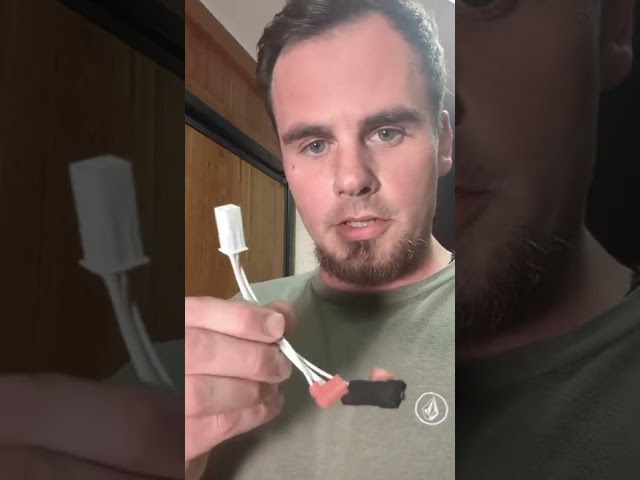
Youtube Video:
Quick Wiring Specifications & Terminal Guide
| Component / Circuit | Standard Wire Gauge | Recommended Protection |
|---|---|---|
| Control & Trigger Signals | 18 – 20 AWG | 5A – 7.5A Inline Fuse |
| Standard Auxiliary Load | 14 – 16 AWG | 15A – 20A Circuit Breaker |
| Main Power Feed / Supply | 10 – 12 AWG | 30A – 40A Heavy-Duty Relay |
Images References
Looking for more diagnostic guides? Explore our complete Refrigerator Problems 4 section for step-by-step troubleshooting solutions.
