Introduction
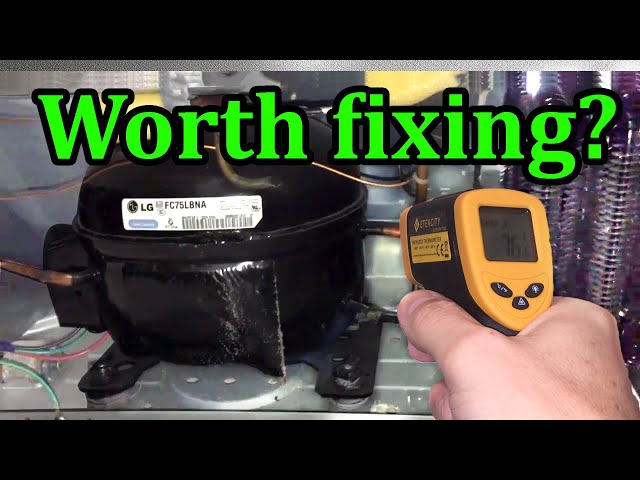
If your refrigerator’s fan is running, you can hear it whirring away, but the fridge isn’t getting cold, it’s a sign that the compressor might not be working. The compressor is the heart of your refrigerator’s cooling system it circulates the refrigerant that keeps your food cold. When it fails, the fridge can’t cool, leading to spoiled food and a potentially costly repair bill. Addressing this issue promptly is crucial to prevent food spoilage and further damage to your appliance. This guide will walk you through troubleshooting steps you can try before calling a professional.
Common Causes of Refrigerator Fan Running But Not Compressor
Here are some of the most frequent reasons why your refrigerator fan might be running but the compressor isn’t:
- Dirty Condenser Coils: Dust and debris can insulate the coils, preventing them from releasing heat effectively and causing the compressor to overheat and shut down.
- Faulty Start Relay: The start relay helps the compressor motor start. If it’s defective, the compressor won’t kick on.
- Overload Protector Tripped: This safety device protects the compressor from overheating. If tripped, it will cut power to the compressor.
- Bad Compressor Start Capacitor: The capacitor gives the compressor an extra jolt of power to start. A failing capacitor may not provide enough power.
- Compressor Motor Failure: The compressor motor itself could be burned out or seized.
- Refrigerant Leak: If the refrigerant has leaked out, the compressor will run for a short time, then shut off, or not run at all.
- Defrost System Issues: A malfunctioning defrost system can cause ice buildup, affecting the compressor’s operation.
- Control Board Problems: A faulty control board might not be sending the correct signals to the compressor.
- Wiring Problems: Loose or damaged wiring can prevent the compressor from receiving power.
Symptoms Checklist
Use this checklist to help confirm the issue:
- The refrigerator’s interior is not getting cold.
- The freezer might be partially cooling, but not to the proper temperature.
- You can hear the refrigerator fan running.
- You don’t hear the compressor running (a low hum or vibration).
- The back of the refrigerator feels warm.
- The overload protector (if accessible) might be warm to the touch.
- Food in the refrigerator is spoiling faster than usual.
How to Fix Refrigerator Fan Running But Not Compressor Step-by-Step Guide
- Unplug the Refrigerator: Disconnect the refrigerator from the power outlet for safety.
- Clean the Condenser Coils: Locate the condenser coils (usually on the back or bottom of the refrigerator). Use a vacuum cleaner with a brush attachment to remove dust and debris.
- Check the Start Relay and Overload Protector: These components are usually located near the compressor. Visual inspection may reveal burns or cracks.
- Reset the Overload Protector: Some overload protectors have a reset button. Press it if you find one.
- Check the Compressor Terminal Connections: Ensure all the wires connected to the compressor are secure.
- Check the Voltage to the Compressor: Caution: this step involves working with electricity. If you’re comfortable and have the right tools (multimeter), check if the compressor is receiving voltage when it’s supposed to be running. If not, the problem may lie with the control board or wiring.
- Inspect the Defrost System: Check the defrost heater and defrost timer for any signs of damage.
- Listen to the Compressor: If the compressor is making a clicking sound, it might be trying to start but failing. This could indicate a problem with the start relay or capacitor.
- Check the Refrigerator’s Settings: Make sure the temperature settings are correct and not accidentally set too high.
- Check the Door Seals: Ensure the refrigerator door seals are clean and making a good seal. Gaps can let warm air in, making the refrigerator work harder.
- Unplug for an extended period of time: Unplugging your refrigerator for 24 hours can help reset some electronic components and clear any ice buildup inside the unit.
Fix the Issue Without Buying Parts
Sometimes, you can resolve the issue without replacing any parts:
- Cleaning the Condenser Coils: This is often the most common and easiest fix.
- Defrosting the Refrigerator: A manual defrost can resolve ice buildup issues. Unplug the refrigerator and leave the door open until all the ice melts.
- Checking the Power Outlet: Make sure the outlet is working by plugging in another appliance.
- Resetting the Refrigerator: Unplugging the refrigerator for 10-15 minutes can sometimes reset the control board.
- Check the Airflow: Make sure items are not blocking the vents inside the refrigerator.
When Replacement Might Be Necessary
If the above steps don’t work, it might be time to consider replacement of a component or even the entire unit:
- Start Relay/Capacitor: If testing reveals a faulty start relay or capacitor, replacing it can sometimes solve the problem. Estimated cost: $20-$50 USD.
- Compressor: Replacing the compressor is a major repair. Estimated cost: $300-$700 USD (including labor).
- Control Board: If the control board is faulty, it will need to be replaced. Estimated cost: $100-$300 USD.
- Consider a New Refrigerator: If your refrigerator is old or the repair costs are high, it might be more economical to replace the entire unit.
Safety Warning
- Always unplug the refrigerator before attempting any repairs.
- Avoid touching any electrical components with wet hands.
- Be careful when working with tools to avoid injury.
- If you are not comfortable working with electricity, consult a qualified appliance repair technician.
- Make sure the refrigerator is placed on a level surface to prevent tipping.
Tools You May Need
- Screwdrivers (Phillips and flathead)
- Vacuum cleaner with brush attachment
- Multimeter (for testing voltage, optional)
- Pliers
- Wrench
- Work gloves
FAQ
- Q: How do I know if my compressor is bad? A: If the fan is running but you don’t hear the compressor humming, or if it clicks on and off repeatedly, the compressor might be faulty.
- Q: How do I clean the condenser coils? A: Unplug the refrigerator, locate the coils (usually on the back or bottom), and use a vacuum cleaner with a brush attachment to remove dust and debris.
- Q: What is the start relay? A: The start relay helps the compressor motor start. If it’s defective, the compressor won’t kick on.
- Q: Why is my refrigerator not getting cold even though the fan is running? A: This could be due to a faulty compressor, refrigerant leak, dirty condenser coils, or a problem with the defrost system.
- Q: Can I fix this myself, or do I need to call a technician? A: You can try the troubleshooting steps outlined in this guide. If you are not comfortable working with electricity or the problem persists, it’s best to call a qualified appliance repair technician.
Conclusion
Troubleshooting a refrigerator with a running fan but a non-working compressor can seem daunting, but by following these steps, you can often identify and resolve the issue yourself. Remember to prioritize safety and if you’re not comfortable with any step, don’t hesitate to call a qualified technician. Good luck!
Youtube Video:
Looking for more useful options?
Check out recommended resources that others find helpful.