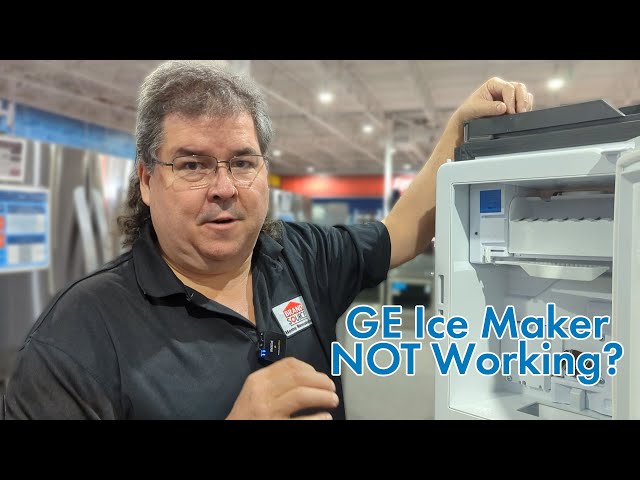
Introduction
A refrigerator that won’t make ice can be a real headache, especially during hot weather or when you’re planning a party. Ice makers in GE refrigerators are designed to provide a steady supply of ice, but sometimes they stop working. This guide will walk you through the most common reasons why your GE refrigerator isn’t making ice and provide simple, step-by-step solutions to get it working again. Addressing this issue promptly can prevent food spoilage and save you the inconvenience of buying ice from the store.
Common Causes of GE Refrigerator Not Making Ice
Here are some typical reasons why your GE refrigerator might not be producing ice:
- Ice Maker is Turned Off: Sometimes the simplest solution is the correct one. The ice maker might have been accidentally switched off.
- Water Supply Issue: The refrigerator needs a reliable water supply to make ice. A kinked or frozen water line can stop the flow.
- Water Filter Clogged: A dirty water filter restricts water flow, impacting ice production.
- Freezer Temperature Too High: If the freezer isn’t cold enough, the ice maker won’t function properly.
- Ice Jam in the Ejector: Ice cubes can get stuck in the ice maker’s ejector arm, preventing it from dispensing new ice.
- Faulty Water Inlet Valve: This valve controls the flow of water to the ice maker. If it’s defective, water won’t reach the ice maker.
- Defective Ice Maker Module: This is the control center of the ice maker. If it fails, the ice maker won’t work.
- Frozen Fill Tube: The fill tube that delivers water to the ice maker can freeze, blocking the water supply.
Symptoms Checklist
Use this checklist to pinpoint the potential problem:
- No ice production at all.
- Ice maker making small or hollow cubes.
- Ice maker making ice very slowly.
- Water dispenser not working.
- Unusual noises coming from the ice maker.
- Ice clumps together in the ice bin.
How to Fix GE Refrigerator Not Making Ice Step-by-Step Guide
Follow these steps to troubleshoot and fix your ice maker:
- Check the Ice Maker Switch: Make sure the ice maker is turned on. It’s usually a wire bail arm or a button located inside the freezer. Ensure the bail arm is down or the button is set to “on.”
- Inspect the Water Line: Locate the water line behind the refrigerator. Check for kinks or damage. Straighten any kinks and ensure the line is properly connected.
- Replace the Water Filter: GE recommends replacing the water filter every six months. A clogged filter significantly reduces water flow. Consult your refrigerator’s manual for the correct filter and replacement instructions.
- Verify Freezer Temperature: The freezer temperature should be between 0F and 5F (-18C to -15C). Adjust the temperature control accordingly. Give the refrigerator 24 hours to adjust.
- Check for Ice Jams: Remove the ice bin and inspect the ejector arm for ice jams. Melt any ice buildup using a hairdryer on a low setting or by gently removing the ice with a plastic utensil.
- Listen for the Water Valve: Activate the water dispenser. You should hear a buzzing sound from the water inlet valve at the back of the refrigerator. If you don’t hear anything, the valve might be faulty.
- Check the Fill Tube for Ice: Locate the fill tube that supplies water to the ice maker. If it’s frozen, use a hairdryer on a low setting to melt the ice blockage.
- Restart the Refrigerator: Sometimes a simple restart can resolve the issue. Unplug the refrigerator for 5 minutes, then plug it back in. This can reset the ice maker’s control board.
- Manually Cycle the Ice Maker: Some GE refrigerators have a test cycle for the ice maker. Refer to your user manual for specific instructions on how to manually cycle the ice maker.
- Clean the Ice Bin: Remove the ice bin and clean it thoroughly with warm, soapy water. This can remove any buildup that might be interfering with ice production.
- Check the Water Pressure: Low water pressure can prevent the ice maker from functioning correctly. Ensure your home’s water pressure is adequate.
- Inspect the Door Seals: Make sure the freezer door seals tightly. A leaky door allows warm air to enter, affecting ice production. Clean the seals with a damp cloth to remove any debris.
- Level the Refrigerator: An unlevel refrigerator can affect the ice maker’s performance. Use a level to ensure the refrigerator is properly leveled. Adjust the feet at the bottom of the refrigerator as needed.
Fix the Issue Without Buying Parts
Before considering replacement parts, try these free methods:
- Reset the Ice Maker: As mentioned above, unplugging the refrigerator for 5 minutes can reset the system.
- Clean the Interior: Keeping the interior clean ensures proper airflow and temperature regulation.
- Inspect for Obstructions: Regularly check for ice jams or other obstructions in the ice maker and dispenser.
- Basic Maintenance: Follow the maintenance schedule in your user manual.
When Replacement Might Be Necessary
If the above steps don’t work, a replacement part might be needed. Common failing parts include:
- Water Inlet Valve: (Estimated cost: $30-$70)
- Ice Maker Module: (Estimated cost: $80-$150)
Consider contacting a qualified appliance repair technician for diagnosis and repair if you’re uncomfortable performing these tasks yourself.
Safety Warning
- Always unplug the refrigerator before performing any repairs.
- Avoid working on electrical components with wet hands.
- Be careful when using tools to avoid injury.
- If you are not comfortable with electrical or plumbing repairs, consult a qualified technician.
Tools You May Need
- Screwdrivers (Phillips and flathead)
- Pliers
- Adjustable wrench
- Hairdryer
- Level
- Multimeter (optional, for testing electrical components)
FAQ
Here are some frequently asked questions:
-
Q: My ice maker is making ice, but it’s small and hollow. What’s wrong?
A: This is usually caused by low water pressure or a clogged water filter. -
Q: How often should I replace my water filter?
A: GE recommends replacing the water filter every six months. -
Q: Why is my ice maker making a loud buzzing noise?
A: This could indicate a problem with the water inlet valve. -
Q: How do I manually defrost the ice maker?
A: Unplug the refrigerator and leave the freezer door open for several hours until the ice melts.
Conclusion
Troubleshooting a GE refrigerator ice maker can seem daunting, but by following these steps, you can often resolve the issue yourself. Remember to start with the simplest solutions and work your way through the more complex ones. If you’ve tried everything and your ice maker still isn’t working, don’t hesitate to call a qualified appliance repair technician. They have the expertise to diagnose and repair more complex issues.
Youtube Video:
Looking for more useful options?
Check out recommended resources that others find helpful.