Introduction
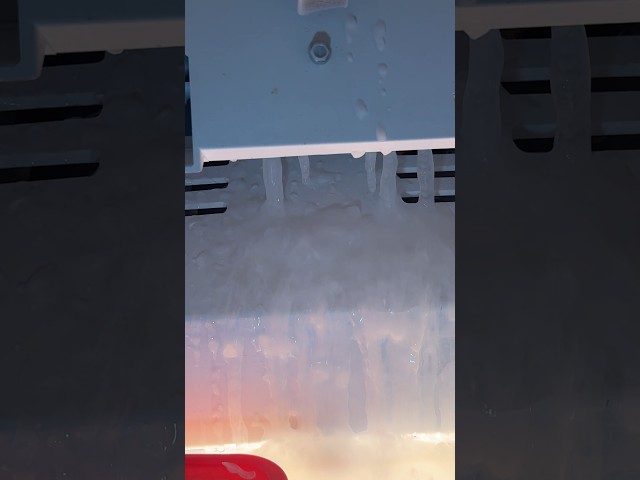
A leaky ice maker inside your GE freezer is a common problem that can lead to a buildup of ice, water damage, and wasted energy. If left unattended, this can worsen and potentially damage your freezer and even your flooring. Addressing the problem promptly can prevent further damage and save you money on energy bills. It’s a frustrating problem that many homeowners face, especially if the freezer is a few years old.
Common Causes of GE Ice Maker Leaks Inside Freezer
Here are some typical reasons why your GE ice maker might be leaking:
- Loose Water Line Connection: The connection between the water line and the ice maker may be loose, causing water to drip.
- Clogged Water Filter: A clogged filter restricts water flow, increasing pressure and causing leaks.
- Faulty Water Inlet Valve: The valve that controls water flow to the ice maker may be cracked or malfunctioning.
- Cracked Ice Maker Assembly: The plastic components of the ice maker can crack over time, leading to leaks.
- Frozen Water Line: If the water line freezes, it can expand and crack, causing a leak when it thaws.
- High Water Pressure: Excessive water pressure can stress the ice maker components and cause leaks.
- Worn-Out Ice Maker Mold: Over time, the mold that forms the ice cubes can develop cracks and leak.
- Improper Freezer Temperature: A freezer temperature that’s too high can cause ice to melt and leak.
Symptoms Checklist
Here are the symptoms that confirm your GE ice maker is leaking:
- Puddles of water or ice buildup inside the freezer compartment.
- Ice forming in unusual places, such as the bottom of the freezer.
- Dripping sounds coming from the ice maker area.
- Visible water stains or frost around the ice maker.
- Ice cubes are smaller or misshapen.
- Water leaking outside the freezer onto the floor.
How to Fix GE Ice Maker Leaks Inside Freezer Step-by-Step Guide
Follow these steps to troubleshoot and fix the leak:
- Unplug the Freezer: For safety, disconnect the freezer from the power outlet before starting any repairs.
- Inspect the Water Line Connection: Locate the water line connecting to the ice maker. Check for any signs of leaks or looseness. Tighten the connection if necessary.
- Check the Water Filter: Locate the water filter (usually in the refrigerator compartment or at the back of the refrigerator). If it’s been longer than 6 months since it was changed, replace it with a new one.
- Examine the Water Inlet Valve: The water inlet valve is usually located behind the refrigerator. Inspect it for cracks or damage.
- Inspect the Ice Maker Assembly: Look closely at the ice maker assembly for any cracks or signs of damage. This may require removing the ice maker from the freezer.
- Check for Frozen Water Lines: If you suspect a frozen water line, try to thaw it out gently using a hairdryer (on a low setting) or by leaving the freezer door open for a few hours.
- Adjust Water Pressure: If you have high water pressure in your home, consider installing a pressure regulator on the water line to the refrigerator.
- Check Freezer Temperature: Make sure the freezer temperature is set to the recommended level (usually around 0F or -18C).
- Clean the Ice Maker: Remove any ice buildup from the ice maker assembly. Use a damp cloth to clean the inside of the ice maker.
- Test the Ice Maker: After completing the above steps, plug the freezer back in and allow it to run for a few hours. Monitor the ice maker for any leaks.
- Check Drain Tube: Locate the drain tube for the ice maker. It usually exits behind the freezer. Make sure it’s not clogged or pinched. You can use a pipe cleaner to clear any blockages.
- Inspect the Fill Cup: The fill cup is a small cup inside the ice maker that fills with water before it freezes. Ensure this cup is properly aligned and not damaged.
Fix the Issue Without Buying Parts
Before considering part replacement, try these free fixes:
- Reset the Ice Maker: Most GE ice makers have a reset button. Press and hold it for a few seconds to reset the ice maker.
- Deep Cleaning: Thoroughly clean the freezer and ice maker. Remove any ice buildup or debris.
- Check Water Pressure: Sometimes the building’s water pressure suddenly changes and causes leaks. Check if this happens temporarily.
- Visual Inspection: Regularly inspect the ice maker for any signs of damage or wear and tear. Early detection can prevent major problems.
When Replacement Might Be Necessary
If the leak persists after troubleshooting, you might need to replace certain parts. Here are some common culprits and estimated costs (USD):
- Water Inlet Valve: $30-$70
- Ice Maker Assembly: $80-$200
- Water Filter Housing: $20-$50
Always compare these costs to the price of a new refrigerator. A repair person callout fee may be more costly than the repair itself.
Safety Warning
Keep these safety tips in mind:
- Always unplug the freezer before performing any repairs.
- Be careful when handling electrical components.
- Wear gloves to protect your hands.
- Clean up any spills immediately to prevent slips and falls.
Tools You May Need
Here are some tools that can come in handy:
- Screwdrivers (Phillips and Flathead)
- Adjustable Wrench
- Pliers
- Towel
- Flashlight
- Pipe cleaner
FAQ
Here are some frequently asked questions:
- Q: Why is my ice maker leaking even after I changed the filter? A: The water inlet valve could be faulty or the water line connection could be loose.
- Q: How often should I change my water filter? A: Every 6 months, or as recommended by the manufacturer.
- Q: What happens if I don’t fix a leaky ice maker? A: It can lead to water damage, ice buildup, and higher energy bills.
- Q: Can I fix an ice maker leak myself? A: Yes, many ice maker leaks can be fixed with simple troubleshooting and repair.
Conclusion
Fixing a GE ice maker leak can seem daunting, but by following these steps, you can often solve the problem yourself. Remember to prioritize safety and take your time. Before calling a technician, try these troubleshooting steps. You might be surprised at how easy it is to fix!
Youtube Video:
Looking for more useful options?
Check out recommended resources that others find helpful.