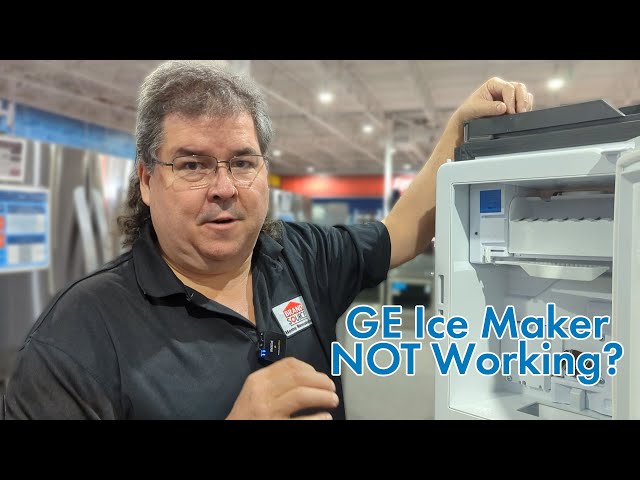
Introduction
A refrigerator’s ice machine is a convenience we often take for granted. When it stops working, it can be a real headache, especially during hot weather or when entertaining guests. A non-functioning ice maker in your GE refrigerator can stem from several issues, ranging from simple fixes to more complex problems. Addressing this promptly can prevent food spoilage and the inconvenience of manually making ice. Lets troubleshoot this together!
Common Causes of GE Refrigerator Ice Machine Not Working
Here are some common reasons why your GE refrigerator’s ice machine might be on the fritz:
- The Ice Maker is Turned Off: It sounds obvious, but sometimes the ice maker switch gets accidentally turned off.
- Water Supply Issues: The water line feeding the refrigerator may be kinked, frozen, or disconnected.
- Clogged Water Filter: A dirty water filter restricts water flow to the ice maker.
- Frozen Water Line: If the water line inside the refrigerator freezes, water can’t reach the ice maker.
- Ice Jam: Ice cubes can get stuck in the ice maker, preventing new ice from being made.
- Faulty Ice Maker Module: The module that controls ice production might be defective.
- Defective Water Inlet Valve: This valve controls the flow of water to the ice maker. If it’s broken, water won’t flow.
- Low Freezer Temperature: If the freezer isn’t cold enough, the ice maker won’t function correctly.
- Damper Problems: A faulty damper won’t let the cold freezer air to cool the ice machine.
Symptoms Checklist
Here’s a checklist to help you pinpoint the problem:
- No ice production at all.
- Ice maker produces small or hollow cubes.
- Ice maker makes ice very slowly.
- Water dispenser is also not working.
- You hear the ice maker cycling, but no ice is produced.
- Ice maker is overflowing, creating a block of ice.
How to Fix GE Refrigerator Ice Machine Not Working Step-by-Step Guide
Follow these steps to troubleshoot your ice machine:
- Check the Power Switch: Make sure the ice maker is turned on. It’s usually a wire arm or a switch located inside the freezer.
- Inspect the Water Line: Look behind the refrigerator for any kinks or bends in the water supply line. Straighten them out if necessary.
- Replace the Water Filter: Locate the water filter (usually in the refrigerator compartment or behind the kick plate at the bottom). Replace it with a new one.
- Check for a Frozen Water Line: If you suspect a frozen water line, unplug the refrigerator and allow it to thaw for a few hours. You can also use a hairdryer (on low setting) to gently warm the water line.
- Clear Ice Jams: Remove any ice cubes stuck in the ice maker. You can use a plastic utensil to gently dislodge them.
- Check the Freezer Temperature: Ensure your freezer is set to the recommended temperature (usually around 0F or -18C).
- Listen for the Water Inlet Valve: With the refrigerator plugged in, have someone activate the ice maker while you listen for the water inlet valve (located behind the refrigerator) to open and close. If you don’t hear anything, the valve might be defective.
- Reset the Ice Maker: Some GE refrigerators have a reset button on the ice maker. Consult your owner’s manual for the location of the reset button and how to use it.
- Inspect the Damper: Is the freezer damper opening and closing freely? Listen closely and look for visual obstructions.
- Check the Ice Maker Fill Tube: Locate where the water exits into the ice mold. Check to see if the tube has frozen.
- Clean the Ice Maker: Over time, mineral buildup can affect performance. Empty the ice bin, turn off the ice maker, and wipe it down with a mild soap and water solution. Rinse thoroughly.
- Check the Ice Level Control: Some models have an ice level sensor. Ensure the ice isn’t piling high enough to trigger the sensor incorrectly and halt production.
Fix the Issue Without Buying Parts
Before rushing to buy new parts, try these free methods:
- Reset the Ice Maker: As mentioned earlier, many GE ice makers have a reset button. Pressing it might be all you need to do.
- Thorough Cleaning: Clean the ice maker and ice bin regularly to prevent ice jams and mineral buildup.
- Temperature Adjustment: Ensure your freezer temperature is properly set.
- Visual Inspection: Carefully inspect the water line, ice maker, and other components for any visible damage or obstructions.
- Maintenance Basics: Regularly replace the water filter and clean the ice maker to prevent problems.
When Replacement Might Be Necessary
If you’ve tried all the troubleshooting steps and your ice maker still isn’t working, you might need to replace a part. Common parts that fail include the ice maker module (estimated cost: $80 – $150), the water inlet valve (estimated cost: $30 – $80), or the water filter housing (estimated cost: $20 – $50). Contact a qualified appliance repair technician for diagnosis and replacement.
Safety Warning
- Always unplug the refrigerator before performing any maintenance or repairs.
- Avoid working on electrical components if you’re not comfortable doing so. Contact a qualified technician instead.
- Be careful when handling sharp objects or tools.
- Dry any spills immediately to prevent slips and falls.
Tools You May Need
- Screwdrivers (Phillips and flathead)
- Pliers
- Adjustable wrench
- Towel or sponge
- Plastic scraper or utensil
FAQ
Here are some frequently asked questions:
-
Q: Why is my ice maker making hollow cubes?
A: This usually indicates low water pressure or a clogged water filter. -
Q: How often should I replace my water filter?
A: It’s recommended to replace your water filter every 6 months. -
Q: Can I use any water filter in my GE refrigerator?
A: No, it’s important to use a water filter that’s specifically designed for your GE refrigerator model. -
Q: My water dispenser is also not working. Is it related to the ice maker?
A: Yes, both the ice maker and water dispenser often share the same water supply. A problem with the water supply can affect both.
Conclusion
Troubleshooting a GE refrigerator ice machine can seem daunting, but by following these steps, you can often identify and fix the problem yourself. Remember to start with the simple solutions and work your way up to the more complex ones. If you’re still having trouble, don’t hesitate to call a qualified appliance repair technician. Most of the time, a bit of DIY effort can save you time and money!
Youtube Video:
Looking for more useful options?
Check out recommended resources that others find helpful.