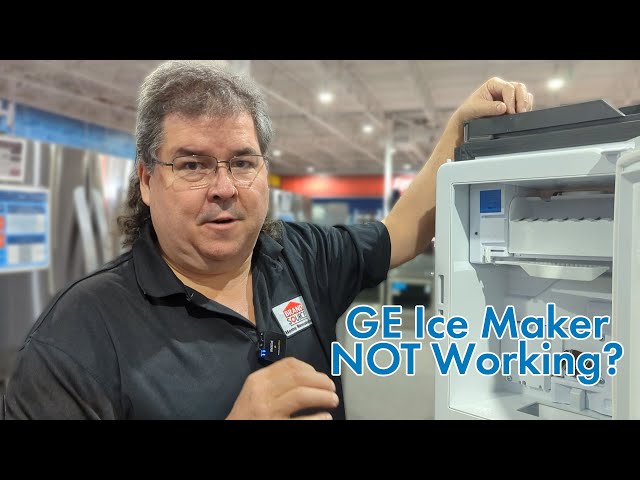
Introduction
A malfunctioning ice dispenser in your GE side-by-side refrigerator can be a real inconvenience, especially during hot weather or when you’re entertaining guests. Imagine needing ice for a refreshing drink only to find that nothing comes out! This is a common problem, but often, it’s something you can fix yourself without calling a costly repair technician. This guide will walk you through the steps to diagnose and resolve the issue, saving you time and money.
Common Causes of GE Side by Side Ice Dispenser Not Working
Here are some of the most common reasons why your GE side-by-side ice dispenser might not be working:
- Ice Jam: Ice can clump together and block the dispenser chute.
- Frozen Ice Maker: If the ice maker is completely frozen, it can’t produce or dispense ice.
- Water Supply Problem: A kinked or frozen water line can prevent water from reaching the ice maker.
- Faulty Water Inlet Valve: This valve controls the flow of water to the ice maker; if it’s defective, it won’t allow water in.
- Dispenser Switch Problem: The switch you press to activate the dispenser might be broken.
- Ice Level Arm/Sensor Issue: If the ice bin is full, the ice level arm tells the ice maker to stop producing ice. A malfunction can stop dispensing.
- Defective Ice Maker Module: The ice maker module is the brain of the ice maker. If it fails, the ice maker won’t work.
- Control Board Malfunction: The control board manages the ice maker and dispenser functions.
Symptoms Checklist
Use this checklist to help pinpoint the problem:
- No ice is dispensed when you press the dispenser lever.
- Crushed ice works, but cubed ice doesn’t (or vice versa).
- You hear a motor running when you press the lever, but no ice comes out.
- The ice maker isn’t producing any ice at all.
- Ice comes out slowly or in small amounts.
- The ice tastes or smells bad.
How to Fix GE Side by Side Ice Dispenser Not Working Step-by-Step Guide
Follow these steps to troubleshoot your ice dispenser:
- Unplug the Refrigerator: This is the most important safety precaution.
- Check the Ice Bin: Remove the ice bin and look for large clumps of ice that might be blocking the dispenser chute. Break them up and remove them.
- Check for Ice Buildup in the Chute: Use a plastic utensil (like a spatula or spoon) to carefully clear any ice buildup in the dispenser chute. Avoid using metal objects, which could damage the dispenser.
- Inspect the Water Line: Locate the water line at the back of the refrigerator. Make sure it’s not kinked, bent, or frozen.
- Check the Water Filter: A clogged water filter can restrict water flow to the ice maker. Replace the filter if it’s been longer than six months since the last change. Consult your owner’s manual for specific filter replacement instructions.
- Test the Water Pressure: If you have a water filter bypass plug, try using it to see if the dispenser works without the filter. If it does, the filter is likely the issue.
- Reset the Ice Maker: Some GE refrigerators have a reset button on the ice maker. Locate it (usually on the bottom or side of the ice maker) and press it. Refer to your owner’s manual if you’re unsure where it is.
- Listen for the Ice Maker: After resetting, listen for the ice maker to start cycling. It should fill with water within a few hours.
- Check the Freezer Temperature: Ensure your freezer temperature is set to the recommended setting (usually around 0F or -18C). If it’s too warm, the ice maker might not function correctly.
- Inspect the Dispenser Switch: While the refrigerator is unplugged, carefully examine the dispenser switch. Make sure it’s not damaged or stuck. This might require removing the dispenser housing (consult your manual).
- Check the Ice Level Sensor/Arm: Locate the ice level sensor or arm within the ice bin area. Make sure it moves freely and isn’t obstructed by ice.
- Wait 24 Hours: After completing these steps, plug the refrigerator back in and allow the ice maker 24 hours to produce ice.
Fix the Issue Without Buying Parts
Many ice dispenser problems can be resolved without buying new parts:
- Manual Defrost: If you suspect the ice maker is frozen, manually defrost the freezer. Unplug the refrigerator and leave the freezer door open for several hours to allow the ice to melt.
- Cleaning: Regularly clean the ice bin and dispenser area to prevent ice buildup and bacteria growth.
- Filter Replacement Schedule: Change your water filter every six months to ensure optimal water flow and ice quality.
- Visual Inspection: Regularly inspect the water line for kinks or damage.
When Replacement Might Be Necessary
If you’ve tried all the troubleshooting steps and the ice dispenser still isn’t working, a replacement part might be necessary. Common parts that fail include:
- Water Inlet Valve: (Estimated cost: $30 – $70)
- Dispenser Switch: (Estimated cost: $20 – $50)
- Ice Maker Module: (Estimated cost: $80 – $150)
Consider contacting a qualified appliance repair technician before replacing any parts, especially if you’re not comfortable working with electrical components.
Safety Warning
- Always unplug the refrigerator before performing any troubleshooting or repairs.
- Avoid working on the refrigerator with wet hands or on a wet floor.
- Be careful when handling sharp tools or removing ice buildup to avoid injury.
- If you’re unsure about any step, consult a qualified appliance repair technician.
Tools You May Need
- Screwdrivers (Phillips and flathead)
- Plastic spatula or spoon
- Pliers
- Towels
- Multimeter (for testing electrical components – optional, proceed with caution)
FAQ
- Q: Why is my ice maker making ice, but the dispenser isn’t working? A: The problem is likely in the dispenser mechanism itself. Check for ice jams in the chute or a faulty dispenser switch.
- Q: How do I know if my water filter is clogged? A: If the water dispenser also isn’t working or the ice cubes are small, a clogged water filter is a likely culprit.
- Q: What does it mean if I hear a humming sound, but no ice comes out? A: The dispenser motor is likely running, but something is blocking the ice. Check for ice jams in the chute.
- Q: How often should I clean my ice bin? A: You should clean your ice bin every 1-3 months to prevent bacteria growth and ensure fresh-tasting ice.
Conclusion
Troubleshooting a GE side-by-side ice dispenser can seem daunting, but by following these steps, you can often resolve the issue yourself. Start with the simple fixes and work your way through the more complex solutions. If you’re still having trouble after trying these tips, it might be time to call a qualified appliance repair technician. Good luck!
Youtube Video:
Looking for more useful options?
Check out recommended resources that others find helpful.