Introduction
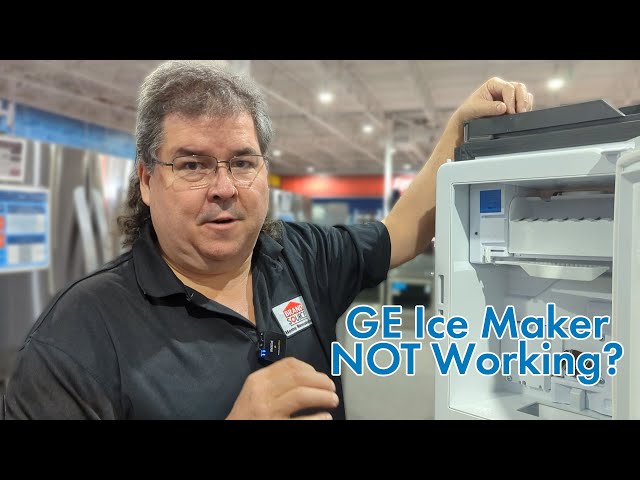
Is your GE side-by-side refrigerator’s ice maker on the fritz? It’s a common problem for many homeowners. A working ice maker is incredibly convenient, providing a constant supply of ice for drinks, parties, and everyday use. When it stops working, it can be a real hassle, especially during hot weather. This guide will walk you through troubleshooting steps to get your ice maker back up and running, saving you time and money on costly repairs.
Common Causes of GE Side-by-Side Refrigerator Ice Maker Problems
Several factors can cause your GE ice maker to stop producing ice. Here are some of the most frequent culprits:
- Frozen Water Line: The water supply line to the ice maker can freeze, blocking water flow.
- Clogged Water Filter: A dirty or clogged water filter restricts water flow, impacting ice production.
- Low Freezer Temperature: If the freezer isn’t cold enough (ideally 0-5F), the ice maker won’t function properly.
- Ice Buildup in the Ice Maker: Ice jams can prevent the ice maker from ejecting ice or making new ice.
- Faulty Water Inlet Valve: This valve controls the water flow into the ice maker. A malfunctioning valve might not open or close correctly.
- Defective Ice Maker Module: This is the brain of the ice maker. A bad module can cause various problems, including no ice production.
- Stuck Ejector Arm: The arm that pushes the ice out of the mold might be stuck, preventing new ice from being made.
- Water Pressure Issues: Low water pressure to the refrigerator can hinder the ice maker’s ability to fill the ice mold.
- Damper Door Problems: If your freezer isn’t getting enough cold air because of a faulty damper, ice production will stop.
Symptoms Checklist
Here are some signs that your GE side-by-side refrigerator ice maker may be experiencing problems:
- No ice production at all.
- Ice maker produces only small or irregularly shaped ice cubes.
- Ice cubes are hollow or slushy.
- Ice maker is overflowing with water.
- Ice maker is making a grinding or unusual noise.
- The water dispenser works, but the ice maker doesn’t.
- Ice maker is frozen solid with a block of ice.
How to Fix GE Side-by-Side Refrigerator Ice Maker Problems Step-by-Step Guide
Follow these steps to troubleshoot your ice maker:
- Check the Freezer Temperature: Ensure your freezer is set to 0-5F (-18 to -15C). Use a thermometer to verify.
- Inspect the Water Line: Look for kinks or frozen sections in the water line behind the refrigerator. If frozen, try thawing it with a hairdryer on a low setting or warm towels.
- Replace the Water Filter: A clogged filter is a common culprit. Replace it with a new filter according to the manufacturer’s instructions.
- Check Water Pressure: Ensure your home’s water pressure is adequate. Low pressure can affect ice maker performance.
- Listen to the Water Inlet Valve: When the ice maker calls for water, listen for a buzzing sound from the valve (usually located behind the refrigerator). No sound indicates a potential valve issue.
- Manually Cycle the Ice Maker: Some GE models have a test button located on the ice maker. Press and hold it for a few seconds to initiate a test cycle. Observe if the ice maker fills with water and ejects ice.
- Check for Ice Buildup: Remove any ice buildup in the ice maker tray. Use a plastic utensil to avoid damaging the components.
- Inspect the Ejector Arm: Make sure the ejector arm moves freely. If it’s stuck, gently try to dislodge it.
- Reset the Ice Maker: Locate the power switch for the ice maker (usually a small toggle switch on the side) and turn it off for a few minutes, then turn it back on.
- Clean the Ice Maker: Periodically clean the ice maker with a solution of baking soda and water to remove mineral buildup and debris.
- Check the Damper Door: Ensure the damper door (located between the freezer and refrigerator compartments) is opening and closing properly. This door regulates airflow and can affect freezer temperature.
- Inspect the Fill Tube: Make sure the fill tube, that dispenses water into the ice maker, isnt frozen or clogged.
Fix the Issue Without Buying Parts
Before considering replacement parts, try these free methods:
- Reset the Ice Maker: As mentioned earlier, turning the ice maker off and on can sometimes resolve minor glitches.
- Thorough Cleaning: Cleaning the ice maker and surrounding areas can remove obstructions and improve performance.
- Temperature Adjustment: Ensure the freezer temperature is correctly set.
- Visual Inspection: Regularly inspect the water line, ice maker components, and surrounding areas for any signs of damage or buildup.
- Basic Maintenance: Replace the water filter every six months, or as recommended by the manufacturer.
When Replacement Might Be Necessary
If you’ve tried all the troubleshooting steps and your ice maker still isn’t working, a replacement part may be necessary. Common parts that fail include the water inlet valve, the ice maker module, and the water filter housing. Replacement costs can range from $50 to $200+ USD, depending on the part and model of your refrigerator. Before replacing any parts, consider calling a qualified appliance repair technician for a professional diagnosis.
Safety Warning
- Always unplug the refrigerator before attempting any repairs.
- Be careful when working with water and electricity. Avoid standing on wet floors.
- Use caution when handling tools to avoid injury.
- If you’re not comfortable performing repairs yourself, consult a qualified appliance repair technician.
Tools You May Need
- Screwdrivers (Phillips and flathead)
- Pliers
- Adjustable wrench
- Multimeter (for testing electrical components)
- Thermometer
- Plastic scraper
- Towel
FAQ
- Q: Why is my ice maker making small, hollow cubes? A: This is often caused by low water pressure or a clogged water filter.
- Q: How often should I replace the water filter? A: Every six months, or as recommended by the manufacturer.
- Q: How do I clean my ice maker? A: Use a solution of baking soda and water to wipe down the ice maker components.
- Q: What if I hear a buzzing sound but no water is filling the ice maker? A: This could indicate a faulty water inlet valve.
- Q: My ice maker is frozen solid, what should I do? A: Unplug the refrigerator, remove the ice maker bin, and let the ice melt. You can speed up the process with a hairdryer on a low setting.
Conclusion
Troubleshooting your GE side-by-side refrigerator’s ice maker can seem daunting, but by following these steps, you can often resolve the issue yourself. Start with the simple fixes, like checking the temperature and replacing the water filter. If those don’t work, move on to more advanced troubleshooting. Don’t be afraid to give it a try! However, if you’re uncomfortable or the problem persists, it’s always best to call a qualified appliance repair technician for assistance.
Youtube Video:
Looking for more useful options?
Check out recommended resources that others find helpful.