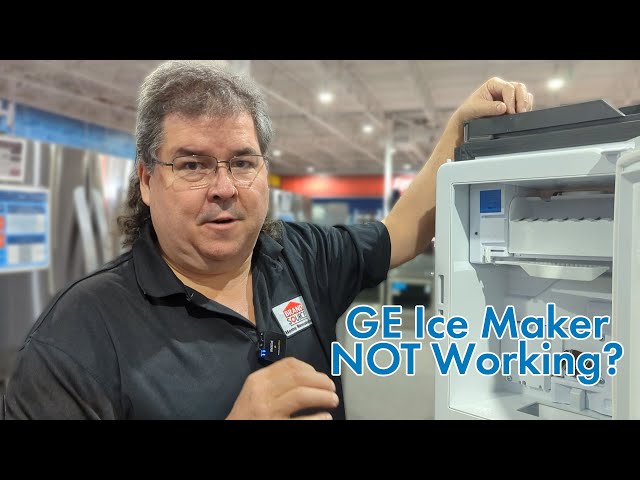
Introduction
Finding that your GE refrigerator isn’t dispensing water or making ice can be incredibly inconvenient. It often happens unexpectedly, leaving you without chilled water on a hot day or enough ice for your gatherings. Addressing this issue promptly is important to avoid food spoilage and maintain the convenience you rely on. Let’s get your fridge back in working order!
Common Causes of ge fridge no water no ice
Several factors can lead to a GE fridge’s failure to produce water and ice. Here are some common culprits:
- Frozen Water Line: The water line supplying the fridge can freeze, blocking the flow of water.
- Clogged Water Filter: A dirty or clogged water filter restricts water flow, impacting ice and water dispensing.
- Faulty Water Inlet Valve: This valve controls the flow of water into the refrigerator. If it fails, water won’t enter.
- Defective Ice Maker: The ice maker itself might be broken, preventing ice production.
- Door Switch Issues: If the door switch is faulty, the fridge might think the door is always open, disabling ice and water functions.
- Low Water Pressure: Insufficient water pressure to your house can prevent the fridge from functioning properly.
- Frozen Evaporator Coils: Excessive frost buildup on the evaporator coils can hinder ice production.
- Control Board Malfunction: In rare cases, the electronic control board might be malfunctioning, affecting various fridge functions.
Symptoms Checklist
Use this checklist to accurately identify the problem:
- No water dispensing when pressing the water dispenser.
- Ice maker not producing any ice.
- Slow water dispensing.
- Unusual noises coming from the ice maker or water dispenser area.
- Water filter light is on or flashing.
- Water pressure seems low in other areas of the house.
How to Fix ge fridge no water no ice Step-by-Step Guide
Follow these steps to troubleshoot your GE fridge:
- Check the Water Supply: Ensure the water supply valve behind the fridge is fully open.
- Inspect the Water Line: Look for any kinks or bends in the water line that could be restricting water flow. Straighten them out carefully.
- Replace the Water Filter: A clogged filter is a common cause. Replace it with a new one according to the manufacturer’s instructions.
- Check for a Frozen Water Line: If you suspect a frozen line, try thawing it with a hairdryer (on a low setting) or by wrapping it in warm towels.
- Listen for the Water Inlet Valve: When you press the water dispenser, listen for a buzzing sound from the water inlet valve (usually located at the back of the fridge). If you don’t hear it, the valve might be faulty.
- Test the Door Switch: Press the door switch manually (the one that’s activated when the door is closed). Does the dispenser work now? If so, the switch may need cleaning or replacement.
- Check the Ice Maker Settings: Make sure the ice maker is turned on. Some models have a switch or button inside the freezer.
- Check for Ice Buildup: Inspect the ice maker for ice buildup that could be preventing it from functioning. Manually clear any ice jams.
- Inspect the Freezer Temperature: The freezer temperature should be between 0F and 5F (-18C and -15C) for optimal ice production.
- Defrost the Fridge: If you suspect frozen evaporator coils, manually defrost the fridge for 24 hours. Unplug the fridge and leave the doors open.
- Check Water Pressure: Insufficient water pressure can hinder performance. Ensure your home’s water pressure meets the refrigerator’s requirements, typically around 20-120 psi.
- Clean the Condenser Coils: Dusty condenser coils behind the refrigerator can reduce efficiency. Clean them with a vacuum cleaner to improve cooling.
- Listen for the Ice Maker Fill Valve: When the ice maker cycles, you should hear the fill valve opening to allow water to enter. If you don’t hear it, there might be a problem with the valve or the ice maker itself.
Fix the Issue Without Buying Parts
Before considering replacement parts, try these free methods:
- Reset the Fridge: Unplug the refrigerator for 5-10 minutes, then plug it back in. This can sometimes reset the electronic components.
- Thorough Cleaning: Clean the interior of the fridge, especially around the ice maker and water dispenser areas, to remove any debris or buildup.
- Check for Obstructions: Carefully inspect the water line and ice maker chute for any obstructions that could be blocking the flow of water or ice.
- Proper Leveling: Make sure the refrigerator is level. An unlevel refrigerator can cause problems with water flow and ice production. Use a level to check and adjust the feet as needed.
When Replacement Might Be Necessary
If you’ve tried all the troubleshooting steps and the problem persists, a replacement part might be necessary. Here are some commonly failing parts and estimated cost ranges (USD):
- Water Inlet Valve: $30 – $80
- Ice Maker Assembly: $100 – $300
- Water Filter Housing: $20 – $50
Consider calling a qualified appliance repair technician for diagnosis and repair.
Safety Warning
Follow these safety precautions during troubleshooting:
- Always unplug the refrigerator before performing any repairs.
- Avoid working on electrical components with wet hands or on a wet floor.
- If you’re uncomfortable with any of these steps, consult a qualified technician.
Tools You May Need
Here’s a list of simple tools that might be useful:
- Screwdrivers (Phillips and flathead)
- Pliers
- Adjustable wrench
- Hairdryer (for thawing)
- Vacuum cleaner
- Multimeter (for testing electrical components, if you are comfortable doing so)
FAQ
Here are some frequently asked questions:
-
Q: How often should I replace my water filter?
A: Typically, every 6 months, or as indicated by the filter replacement light. -
Q: Why is my ice maker making small or hollow cubes?
A: This could be due to low water pressure or a partially frozen water line. -
Q: What does it mean if my fridge is making a loud buzzing noise?
A: It could indicate a problem with the water inlet valve or the compressor. -
Q: How do I manually defrost my GE refrigerator?
A: Unplug the fridge, remove all food, and leave the doors open for 24 hours. Place towels to catch any melting water.
Conclusion
Troubleshooting a GE fridge with no water or ice can be a manageable task with a little patience and these helpful steps. Remember to start with the simplest solutions and work your way up. If you’ve exhausted all options and still face issues, don’t hesitate to contact a qualified appliance repair technician. Good luck!
Youtube Video:
Looking for more useful options?
Check out recommended resources that others find helpful.