Introduction
A fridge freezer compressor is the heart of your cooling system. It circulates refrigerant, which is responsible for keeping your food cold. When this compressor starts making unusual noises, it’s a sign that something might be wrong. Ignoring these noises can lead to a complete fridge failure, resulting in spoiled food and a costly repair. Early diagnosis and troubleshooting are key to preventing bigger problems. Address the issue promptly to save money and keep your fridge running smoothly.
Common Causes of fridge freezer compressor noise
Here are some common reasons why your fridge freezer compressor might be making noise:
- Normal Operation Sounds: Sometimes, the compressor simply makes normal operational noises, especially when starting or stopping. These are usually brief and not a cause for concern.
- Loose Components: Over time, screws and bolts holding the compressor in place can loosen, causing vibrations and rattling noises.
- Dirty Condenser Coils: Dust and debris on the condenser coils force the compressor to work harder, potentially causing it to make more noise.
- Worn Motor Mounts: The rubber mounts that support the compressor can wear out, leading to increased vibration and noise.
- Refrigerant Issues: Low refrigerant levels or a blocked refrigerant line can cause the compressor to work harder and make unusual sounds.
- Faulty Compressor Relay: A malfunctioning relay can cause the compressor to cycle on and off rapidly, leading to clicking or buzzing noises.
- Internal Compressor Damage: In severe cases, the compressor itself might be failing internally, resulting in loud grinding or knocking noises.
- Ice Buildup Ice accumulation around the freezer coils can sometimes affect the compressor’s performance, making it work harder and louder.
Symptoms Checklist
Use this checklist to help identify if the noise is truly a compressor issue:
- Loud humming or buzzing sound coming from the back of the fridge.
- Clicking or clanking noises that occur when the fridge is trying to start.
- A rattling or vibrating noise that gets louder over time.
- The fridge is running hotter than usual, even though the compressor is running.
- The noise changes or becomes more frequent.
- Unusual grinding or knocking sounds coming from the compressor area.
How to Fix fridge freezer compressor noise Step-by-Step Guide
Follow these steps to troubleshoot your noisy fridge freezer compressor:
- Unplug the Fridge: For safety, always disconnect the fridge from the power outlet before starting any work.
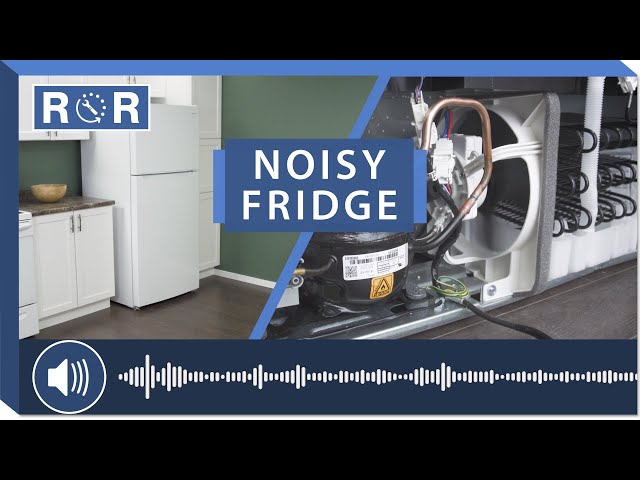
- Locate the Compressor: It’s usually at the back of the fridge, near the bottom. It’s a black, cylindrical unit.
- Inspect for Loose Components: Check for any loose screws or bolts around the compressor and tighten them if necessary.
- Clean the Condenser Coils: Use a vacuum cleaner with a brush attachment to remove dust and debris from the condenser coils (usually located at the back or bottom of the fridge).
- Check the Compressor Mounts: Inspect the rubber mounts that support the compressor. If they appear cracked or worn, they might need replacement.
- Listen Carefully: Plug the fridge back in (temporarily!) and listen closely to the noise. Try to pinpoint exactly where it’s coming from. Immediately unplug the fridge again.
- Inspect the Relay: The compressor relay is a small component attached to the compressor. Check for signs of damage or burning.
- Check for Ice Buildup: Make sure there isn’t excessive ice buildup in the freezer that could be affecting the cooling process. Defrost the freezer if needed.
- Check the Fan Motor: The condenser fan helps cool the compressor. Make sure it’s running smoothly and not obstructed.
- Level the Fridge: An unlevel fridge can cause vibrations. Use a level to ensure the fridge is sitting evenly on the floor.
- Check for Obstructions: Make sure nothing is touching the back of the fridge and causing vibrations.
- Defrost the Freezer: A manual defrost can sometimes resolve noise issues if ice buildup is the culprit.
- Give it Time: After performing these steps, allow the fridge to run for a few hours to see if the noise subsides.
- Record the Noise: If the noise persists, record it with your phone. This can be helpful for a technician if you need to call one.
Fix the Issue Without Buying Parts
Here are some free ways to try to fix the noise:
- Reset the Fridge: Unplug the fridge for 30 minutes to reset the system.
- Deep Cleaning: Thoroughly clean the inside and outside of the fridge, paying attention to the condenser coils.
- Recalibration (if possible): Some fridges have a recalibration setting in the control panel. Consult your owner’s manual.
- Regular Inspection: Periodically check for loose components and ice buildup to prevent problems.
- Proper Ventilation: Ensure the fridge has adequate space around it for proper ventilation.
When Replacement Might Be Necessary
If the noise persists after trying the above steps, the compressor itself might be failing. Compressor replacement is a complex and potentially costly repair. It typically costs between $300 and $800 USD, including labor and parts. Commonly failing parts associated with compressor issues include the compressor itself, the relay, and the overload protector. At this point, it’s advisable to consult with a qualified appliance repair technician.
Safety Warning
- Always unplug the fridge from the power outlet before attempting any repairs.
- Avoid working on the fridge with wet hands or on a wet floor.
- If you’re unsure about any step, consult a qualified appliance repair technician.
- Be careful when handling sharp tools or components.
- Do not attempt to open or repair the sealed refrigerant system yourself. This requires specialized equipment and training.
Tools You May Need
Here’s a list of simple tools that might be helpful:
- Screwdriver (Phillips and flathead)
- Vacuum cleaner with brush attachment
- Wrench or pliers
- Level
- Flashlight
- Gloves
FAQ
Here are some frequently asked questions about fridge freezer compressor noise:
-
Q: Why is my fridge compressor so loud all of a sudden?
A: It could be due to loose components, dirty condenser coils, or a failing compressor. -
Q: Is a noisy compressor a sign that my fridge is about to die?
A: Not necessarily, but it’s a sign that something is wrong and needs attention. -
Q: Can I fix a noisy compressor myself?
A: Yes, you can try the troubleshooting steps in this guide. However, compressor replacement should be left to a professional. -
Q: How much does it cost to replace a fridge compressor?
A: Typically between $300 and $800 USD, including labor and parts. -
Q: Is it worth replacing the compressor or should I just buy a new fridge?
A: Consider the age and overall condition of your fridge. If it’s old and inefficient, a new fridge might be a better investment.
Conclusion
Troubleshooting fridge freezer compressor noise can seem daunting, but many issues can be resolved with simple steps. By following this guide, you can attempt to diagnose and fix the problem yourself. If the noise persists or you’re uncomfortable with any of the steps, don’t hesitate to call a qualified appliance repair technician for assistance. Remember, early intervention can often prevent more serious and costly repairs down the line.
Youtube Video:
Looking for more useful options?
Check out recommended resources that others find helpful.