Introduction
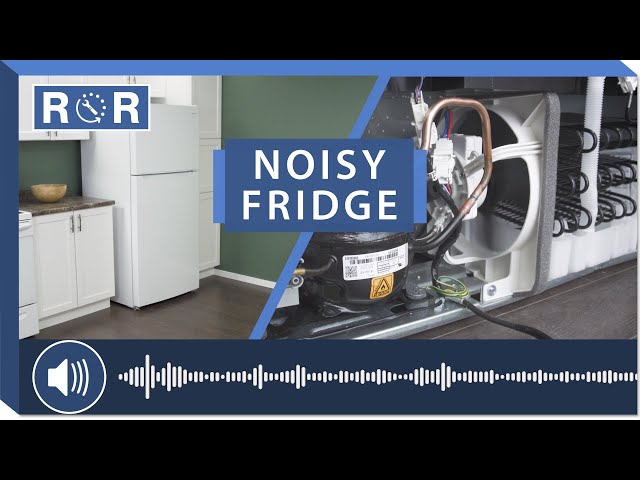
A noisy fridge motor is a common household problem that can range from a minor annoyance to a sign of a developing issue. That rhythmic humming or buzzing sound coming from the back of your refrigerator is usually the motor working to keep your food cold. When that hum turns into a loud rattle, grind, or buzz, it’s time to investigate. Ignoring these noises can lead to bigger problems, like food spoilage and a costly repair or replacement. This guide will walk you through simple troubleshooting steps to identify and potentially fix the noise yourself, saving you time and money.
Common Causes of fridge motor noise
There are several reasons why your fridge motor might be making excessive noise. Here are some of the most common:
- Dirty Condenser Coils: Dust and debris can build up on the coils, causing the motor to work harder and louder.
- Faulty Condenser Fan Motor: This fan helps cool the condenser coils. If it’s failing, it can make a whirring or grinding noise.
- Icemaker Issues: If your fridge has an icemaker, problems with its motor or water line can cause strange sounds.
- Vibrating Fridge: The fridge itself might be vibrating against the wall or floor.
- Loose Components: Screws, panels, or other parts might have come loose and are rattling.
- Defrost Timer: During the defrost cycle, some noises are normal, but excessively loud or prolonged sounds can indicate a problem.
- Relay Switch Issues: This small component helps start the compressor. Failure can cause buzzing or clicking.
- Compressor Problems: The compressor is the heart of the fridge, and if it’s failing, it can make a variety of loud noises.
- Blocked Drain Pan: The drain pan can accumulate water and debris, leading to gurgling or rattling.
- Uneven Floor: An unlevel fridge can cause the compressor to work harder and make more noise.
Symptoms Checklist
Use this checklist to accurately identify the nature of your fridge motor noise:
- Loud humming or buzzing sound coming from the back of the fridge.
- Grinding or rattling noise that wasn’t there before.
- Fridge is vibrating excessively.
- Food is not staying as cold as it should.
- Noise is louder during certain times of the day or after the door has been opened frequently.
- Icemaker is making unusual sounds.
- Noise changes after defrost cycle completes.
- Noise is accompanied by a burning smell (unplug immediately and call a technician!).
How to Fix fridge motor noise Step-by-Step Guide
Follow these steps to troubleshoot your noisy fridge motor:
- Unplug the Fridge: Always disconnect the power before working on any appliance.
- Locate the Condenser Coils: These are typically located on the back or bottom of the fridge.
- Clean the Condenser Coils: Use a vacuum cleaner with a brush attachment to remove dust and debris.
- Check the Condenser Fan: Locate the fan near the condenser coils. Ensure it’s free of obstructions and spins freely. If it doesn’t spin, it may need replacement.
- Level the Fridge: Use a level to check if the fridge is sitting evenly. Adjust the leveling feet until it’s balanced.
- Inspect for Loose Parts: Check for loose screws, panels, or brackets. Tighten any that you find.
- Check the Drain Pan: Locate the drain pan (usually at the bottom of the fridge). Remove it and clean out any water or debris.
- Listen for the Source: After plugging back in, carefully listen to pinpoint where the noise is coming from.
- Examine the Icemaker (if applicable): Check for ice buildup or obstructions that could be causing the noise.
- Check the Fan Blades: Look for any damage to the fan blades. A bent blade can cause imbalance and noise.
- Defrost the Fridge (if necessary): Manually defrosting can sometimes resolve ice buildup issues causing the noise.
- Inspect the Rubber Grommets: The compressor sits on rubber grommets to reduce vibration. Check for wear or damage.
- Listen to the Compressor: If possible, listen closely to the compressor. A loud, rattling sound can indicate internal damage.
- Check the Start Relay: If you’re comfortable, locate and inspect the start relay (usually near the compressor). A burnt smell or visual damage suggests a problem.
Fix the Issue Without Buying Parts
Before rushing to buy parts, try these free fixes:
- Reset: Unplug the fridge for 30 minutes and plug it back in. This can sometimes reset the system.
- Cleaning: Regularly clean the condenser coils, interior, and drain pan.
- Leveling: Ensure the fridge is level on the floor.
- Inspection: Routinely inspect for loose parts and debris buildup.
- Maintenance: Keep the fridge clean and well-ventilated. Avoid overloading it, which can make the motor work harder.
When Replacement Might Be Necessary
If you’ve tried all the troubleshooting steps and the noise persists, or if the fridge is no longer cooling properly, replacement of parts or even the entire refrigerator might be necessary.
- Condenser Fan Motor: Replacement can cost between $50-$150 USD.
- Compressor: This is a major repair, costing $300-$700 USD, including labor.
- Start Relay: A relatively inexpensive part, costing $20-$50 USD.
- Complete Refrigerator Replacement: If the compressor is failing or other major issues are present, replacement of the entire refrigerator may be the most economical option. Costs range from $500 to several thousand USD depending on the model.
Note: These are just estimates. Actual costs may vary depending on your location and the specific model of your refrigerator.
Safety Warning
Always prioritize safety when working with appliances:
- Unplug the Appliance: Always disconnect the power cord before performing any maintenance or repairs.
- Avoid Wet Floors: Ensure the area around the fridge is dry to prevent electric shock.
- Be Careful with Tools: Use caution when handling tools to avoid injury.
- If Unsure, Call a Professional: If you’re not comfortable performing any of these steps, contact a qualified appliance repair technician.
Tools You May Need
Here’s a list of simple tools that might be useful for troubleshooting:
- Screwdriver (Phillips and flathead)
- Vacuum cleaner with brush attachment
- Level
- Wrench (adjustable)
- Gloves
- Flashlight
FAQ
Here are some frequently asked questions about fridge motor noise:
- Q: Why is my fridge motor so loud all of a sudden? A: It could be due to dirty condenser coils, a failing fan motor, or loose components.
- Q: Is it normal for my fridge to make noise during the defrost cycle? A: Yes, some noise is normal, but excessively loud or prolonged sounds indicate a problem.
- Q: How often should I clean my fridge’s condenser coils? A: At least every six months, or more frequently if you have pets.
- Q: Can an uneven floor cause fridge motor noise? A: Yes, an uneven floor can cause the compressor to work harder and make more noise.
- Q: How do I know if the compressor is failing? A: A loud, rattling sound coming directly from the compressor usually indicates a problem.
- Q: What should I do if I smell a burning odor? A: Unplug the fridge immediately and contact a qualified appliance repair technician.
Conclusion
Troubleshooting fridge motor noise can often be done yourself with a few simple steps. By following this guide, you can hopefully identify and fix the issue, saving you the cost of a service call. However, if you’re uncomfortable with any of these steps or if the problem persists, don’t hesitate to call a qualified appliance repair technician. They have the expertise and tools to diagnose and repair more complex issues.
Youtube Video:
Looking for more useful options?
Check out recommended resources that others find helpful.