Introduction
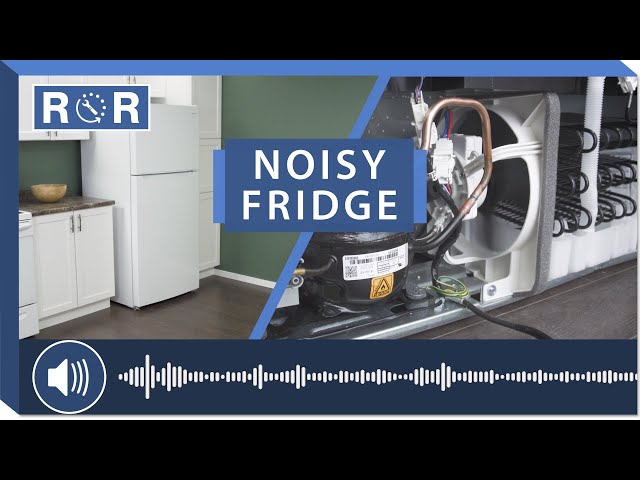
A noisy fridge freezer can be more than just annoying; it can signal that something isn’t working correctly. Ignoring strange sounds can lead to bigger, more expensive problems down the road. If your Bosch fridge freezer is making unusual noises, like buzzing, humming, clicking, or rattling, it’s important to investigate. Acting quickly can save you from food spoilage and costly repairs. This guide provides simple steps to diagnose and resolve common noise issues in your Bosch fridge freezer.
Common Causes of bosch fridge freezer noise
Here are some of the most frequent reasons why your Bosch fridge freezer might be making noise:
- The Condenser Fan Motor: This fan cools the compressor and can become noisy if it’s dirty or the motor is failing.
- The Evaporator Fan Motor: Located inside the freezer, this fan circulates cold air. Ice buildup or a failing motor can cause noise.
- The Compressor: This is the heart of the cooling system. It can be noisy, especially as it ages.
- Ice Maker Issues: The ice maker can generate various noises during its cycle, including rattling, buzzing, or clunking.
- Water Inlet Valve: This valve supplies water to the ice maker and water dispenser. It can hum or buzz if it’s malfunctioning.
- Dirty Condenser Coils: Dust buildup on the coils behind or underneath the fridge can make the compressor work harder and louder.
- Unlevel Fridge: An improperly leveled fridge can cause vibrations and rattling noises.
- Items Inside the Fridge: Bottles or containers can vibrate against each other or the shelves.
- Start Relay: The start relay helps start the compressor. If it’s failing, it can cause clicking or buzzing.
- Defrost Timer: This timer controls the defrost cycle. If faulty, it can cause clicking or buzzing.
Symptoms Checklist
Use this checklist to pinpoint the type of noise your fridge freezer is making:
- Buzzing: Often related to the compressor, water inlet valve, or defrost timer.
- Humming: Typically comes from the compressor or fan motors.
- Clicking: Could indicate a problem with the start relay, defrost timer, or ice maker.
- Rattling: Usually caused by loose parts, an unlevel fridge, or items vibrating inside.
- Grinding: May point to a failing fan motor or ice maker component.
- Loud Operation: Compressor running constantly can mean a problem.
How to Fix bosch fridge freezer noise Step-by-Step Guide
Follow these steps to troubleshoot your noisy Bosch fridge freezer:
- Unplug the Fridge: Always disconnect the fridge from the power outlet before starting any troubleshooting.
- Check the Condenser Coils: Locate the coils (usually on the back or bottom). Clean them with a vacuum cleaner and a brush attachment.
- Inspect the Condenser Fan: Locate the condenser fan near the compressor. Check for any obstructions, like dust or debris. Clean the fan blades.
- Listen to the Compressor: Is it unusually loud? This could indicate a problem, but also could be normal operation
- Check the Evaporator Fan: Open the freezer door and listen for the fan. If it’s not running, or is making noise, it may be iced up or failing.
- Defrost the Freezer: If the evaporator fan is iced up, manually defrost the freezer for 24 hours.
- Level the Fridge: Use a level to ensure the fridge is sitting evenly. Adjust the leveling feet at the bottom as needed.
- Check Items Inside: Make sure bottles and containers aren’t touching each other or the shelves.
- Inspect the Ice Maker: If the noise is coming from the ice maker, check for any obstructions or frozen clumps of ice.
- Water Inlet Valve: Locate the water inlet valve (usually at the back of the fridge). Listen for any humming or buzzing noises.
- Start Relay: (Advanced) The start relay is attached to the compressor. It’s best to let a professional check this out.
- Defrost Timer:(Advanced) The defrost timer is located near the back of the refrigerator or in the control panel. Its best to let a professional check this out.
- Listen Carefully: After performing each step, plug the fridge back in (briefly) to see if the noise has stopped. Remember to unplug before proceeding to the next step.
- Give It Time: Sometimes, a fridge just needs time to settle after being moved or cleaned. Let it run for a few hours after making adjustments.
Fix the Issue Without Buying Parts
Before considering replacement parts, try these free methods:
- Reset the Fridge: Unplug the fridge for 30 minutes to reset the system.
- Thorough Cleaning: Clean the coils, fans, and interior to remove any debris.
- Re-leveling: Ensure the fridge is perfectly level to minimize vibrations.
- Visual Inspection: Look for any obvious signs of damage or wear and tear.
- Regular Maintenance: Clean the condenser coils every 6 months to prevent dust buildup.
When Replacement Might Be Necessary
If the noise persists after trying all troubleshooting steps, a replacement part might be needed. Here are some examples:
- Compressor: A failing compressor is a major repair. Replacement costs can range from $300 to $800, including labor.
- Fan Motors: Replacement fan motors (condenser or evaporator) usually cost between $50 and $200, including labor.
- Water Inlet Valve: A new valve typically costs between $30 and $100, including labor.
Safety Warning
Follow these safety precautions:
- Always unplug the fridge before starting any repairs.
- Avoid working on electrical components with wet hands or on a wet floor.
- Be careful when handling sharp tools or components.
- If you’re not comfortable with electrical repairs, consult a qualified technician.
Tools You May Need
Here’s a list of basic tools you might find useful:
- Screwdrivers (Phillips and flathead)
- Vacuum cleaner with brush attachment
- Level
- Adjustable wrench
- Gloves
FAQ
Here are some common questions about fridge freezer noise:
- Why is my fridge freezer suddenly so noisy? Sudden noise can be caused by a failing fan motor, compressor issues, or ice buildup.
- What does it mean when my fridge freezer is clicking? Clicking noises often indicate a problem with the start relay or defrost timer.
- How often should I clean the condenser coils? It’s recommended to clean the condenser coils every 6 months.
- Is it normal for my fridge freezer to make some noise? Yes, some noise is normal, but loud or unusual sounds should be investigated.
Conclusion
Troubleshooting a noisy Bosch fridge freezer can often be accomplished with simple steps. By following this guide, you can diagnose and potentially fix the problem yourself. Remember to prioritize safety and, if you’re uncomfortable with any of the steps, consult a qualified technician. Hopefully, you can restore your fridge freezer to quiet, efficient operation.
Youtube Video:
Looking for more useful options?
Check out recommended resources that others find helpful.